
Tech Habits That Quietly Undermine Your Sleep
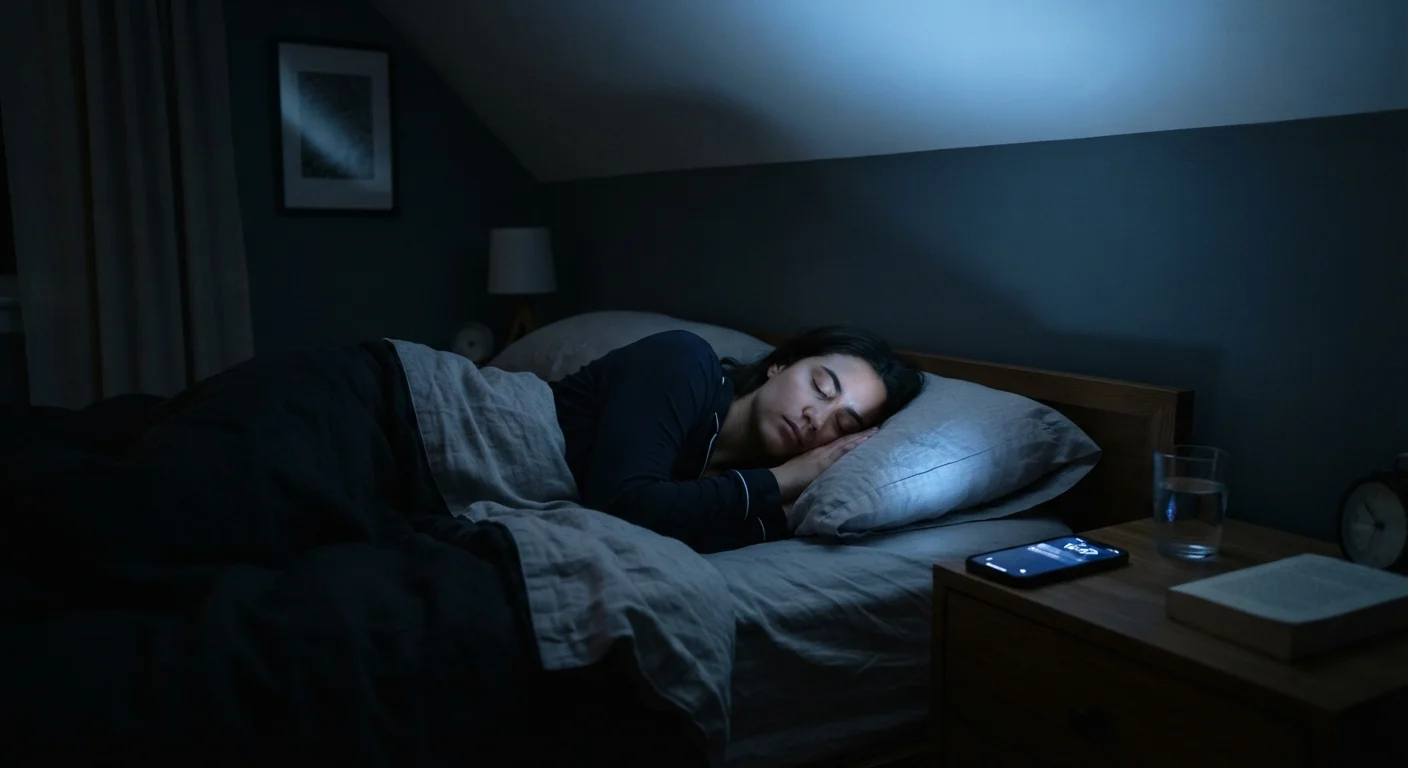
Photo credit: FindersGroove.com | Discover Important Information
In this article
It's not just late-night scrolling. Discover the less obvious device behaviours that chip away at sleep quality over time.
Key Takeaways
- Notifications, screen brightness, and charging habits all affect sleep quality beyond obvious scrolling.
- The timing and type of device use matters as much as total screen time before bed.
- Simple structural changes to your device setup can meaningfully improve sleep without going fully offline.
- Sleep disruption from tech is cumulative - small habits compound into chronic poor rest.
- Understanding the 'why' behind these habits makes them easier to change deliberately.
The Subtle Side of Tech-Related Sleep Disruption
Most people already know that scrolling through a feed at midnight isn't great for sleep. What's less obvious is the wide range of device behaviours - many happening before you even get into bed - that gradually erode sleep quality without any single obvious cause.
Sleep disruption from technology rarely looks like one dramatic habit. It tends to accumulate: a notification here, a bright screen there, an alarm that fires slightly too early. Understanding these subtler patterns is the first step toward addressing them. For a broader look at how sleep quality connects to mood and cognitive function, see how sleep and mental health influence each other.
This article is for general informational purposes only and is not medical advice. If you have persistent sleep difficulties, consult a qualified healthcare professional.
Keeping your phone on the nightstand with notifications enabled overnight.
Why it happens: Most people treat their phone as an alarm clock, so it ends up within arm's reach - and every buzz or glow during the night is a potential sleep interruption.
Using devices in bed as a wind-down ritual, assuming it's helping you relax.
Why it happens: Passive scrolling feels low-effort and even soothing, but it maintains mental alertness and delays the cognitive disengagement needed for sleep onset.
Leaving screen brightness on automatic without setting a nighttime maximum.
Why it happens: Auto-brightness is convenient, but it adjusts to ambient light levels rather than to time of day - so a dim lamp at 11 p.m. still allows a relatively bright screen.
Checking email or work messages within an hour of bedtime.
Why it happens: The boundary between work and personal time has blurred for many people, and checking 'just one last time' feels productive rather than disruptive.
Using stimulating content - news, social conflict, high-tension video - as background noise before sleep.
Why it happens: Background media feels ambient, but emotionally activating content elevates cortisol and keeps the brain engaged even when attention seems divided.
Setting multiple alarms spread across 30-40 minutes as a 'safety net'.
Why it happens: People distrust a single alarm or enjoy the feeling of 'bonus sleep' between snooze cycles, not realising that fragmented light sleep provides little restorative benefit.
Why These Habits Are Hard to Break
Many of these behaviours persist because they're reinforced by app design, not personal weakness. Variable reward structures - the same mechanism behind slot machines - keep people checking devices compulsively. Passive scrolling in particular tends to feel restful in the moment while actually elevating mental arousal.
App Design Is Built to Keep You Engaged
Many social and entertainment apps are deliberately structured to make stopping feel unnatural - infinite scroll, autoplay, and personalised feeds are engineered to extend sessions. Recognising that the pull you feel to keep going is partly a product of design - not just habit - can make it easier to set a deliberate stopping point. See how dark patterns work for a fuller picture of these techniques.
It also helps to reframe the problem. Rather than measuring raw hours on a screen, consider what kind of engagement is happening and when. Researchers studying device use have found that context and intent matter significantly - a point explored in depth in rethinking how you measure device habits.
If mornings are where the cycle restarts - reaching for your phone before you're fully awake - structuring a phone-free morning routine offers a practical starting point for breaking that loop.
Building a Device Environment That Works With Sleep
The goal isn't to eliminate devices from your life - it's to redesign how they fit into the hours surrounding sleep. Small environmental changes often outperform willpower-based approaches because they reduce friction rather than demanding constant self-regulation.
~90%
Adults who use a device before bed
National Sleep Foundation surveys have consistently found that the large majority of adults use electronic devices in the hour before sleep.
30+ min
Average sleep onset delay linked to pre-bed device use
Research published in sleep science literature suggests pre-bed device use can delay sleep onset by 30 minutes or more, depending on content type and duration.
2x
Increased likelihood of poor sleep with in-bed smartphone use
A study in PLOS ONE found that in-bed smartphone use was associated with roughly twice the odds of reporting poor sleep quality compared to non-users.
Charging your phone outside the bedroom removes the temptation to check it during the night and eliminates the light and sound from overnight notifications. If you rely on your phone as an alarm, a dedicated alarm clock is a practical substitute. Keep in mind that how you charge your devices can also affect their longevity - overnight charging habits affect battery health too, not just your sleep.
For those using fitness trackers to monitor sleep, it's worth understanding what those metrics actually measure. Wrist-based sleep tracking is useful but limited - knowing which numbers to trust helps you act on data that's genuinely informative rather than anxiety-inducing.
Finally, the evidence around blue light's specific role in sleep disruption is more nuanced than popular coverage suggests. Blue light and sleep: separating evidence from hype breaks down what's well-supported and what's marketing.

Author
Tech & Gadgets Editorial Team
Tech & Gadgets Editorial Team is the collective byline for our editorial team and contributor network. Articles published under this byline or an editorial pen name are researched, written, and reviewed according to our editorial standards for clarity, consistency, and independence before publication.
View all articles →