
Before You Drive Away: A Pre-Purchase Inspection Checklist
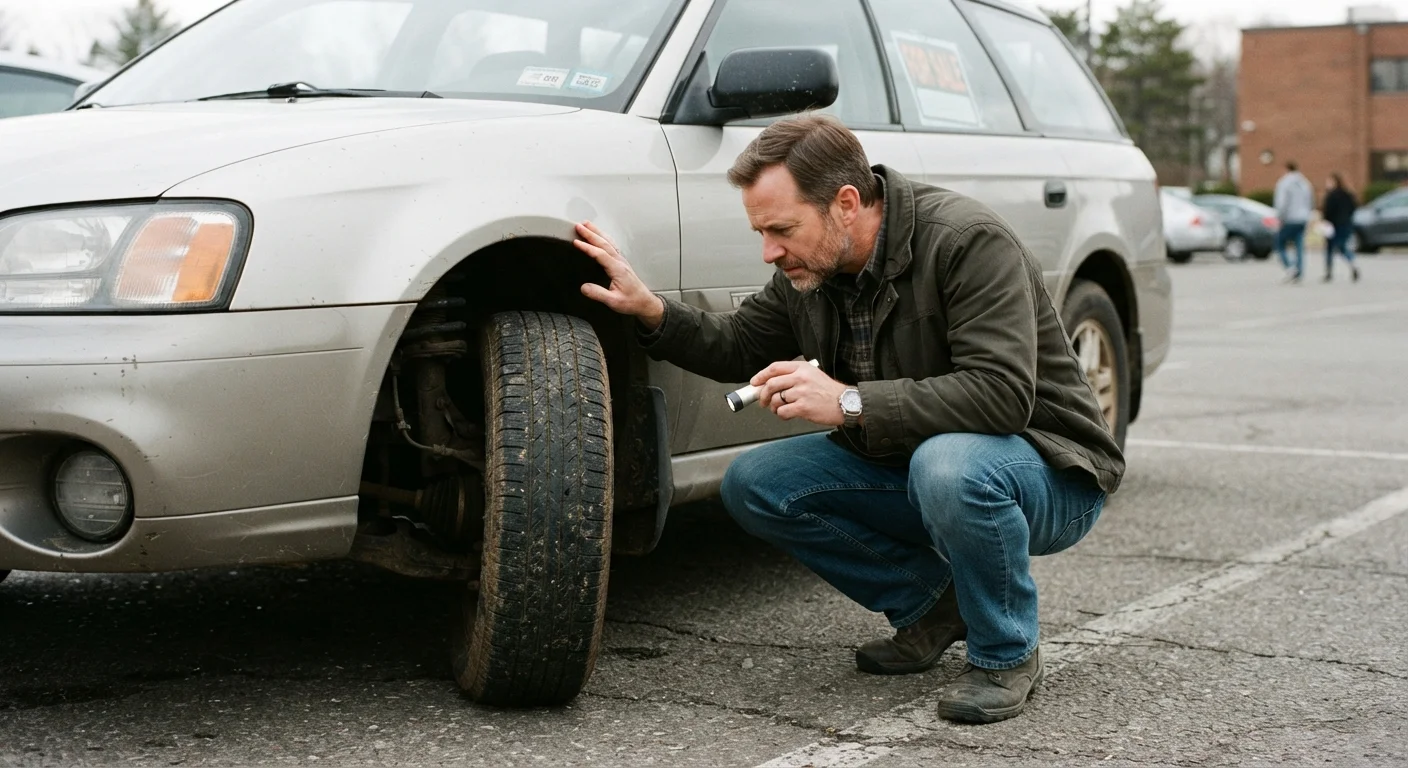
Photo credit: FindersGroove.com | Discover Important Information
In this article
Whether buying privately or from a dealer, these are the checks to complete — or have a mechanic complete — before any money changes hands.
Key Takeaways
- Never skip a test drive - it reveals issues no visual inspection can catch.
- A professional mechanic inspection typically costs $100-$200 and can expose costly hidden problems.
- Verify the vehicle's title history and VIN before any money changes hands.
- Rust, fluid leaks, and uneven tire wear are red flags that warrant negotiation or walking away.
- Bring this checklist to the lot - emotion is the enemy of good decision-making.
Why This Checklist Exists
Buying a car - especially a used one - is one of the largest financial commitments most young adults make. Unlike a jacket or a laptop, a vehicle's true condition is largely invisible from a quick look or a dealer's pitch. Problems hiding under the hood or buried in a title history can cost thousands of dollars to fix and, more importantly, create serious safety risks on the road.
This checklist is designed to slow the process down in the right places. It doesn't assume you're a mechanic, but it does assume you'd rather ask questions now than face repair bills later. Some of these checks you can do yourself; others should involve a licensed mechanic. We'll be clear about which is which throughout.
If you're also weighing whether this purchase is the right move financially, our general pre-purchase guide is a useful companion before you step onto any lot.
Vehicle History & Paperwork
Exterior Inspection
Under the Hood
Interior & Electronics
Test Drive
Professional Mechanic Inspection
Tools You'll Want on Hand
You don't need a full garage kit, but a few basic items will help you conduct a more thorough inspection without relying entirely on the seller's word.
Flashlight or Headlamp
Illuminates wheel wells, undercarriage, and engine bay areas that are difficult to see in natural light.
Tire Tread Depth Gauge
Measures remaining tire tread objectively - quarters and pennies work in a pinch, but a gauge is more accurate.
Vehicle History Report Service
Provides accident history, title status, odometer data, and recall information linked to the car's VIN.
OBD-II Scanner
Reads stored diagnostic trouble codes from the car's computer, revealing issues that may not yet trigger a visible warning light.
Licensed Independent Mechanic
Conducts a thorough pre-purchase inspection covering mechanical, structural, and safety systems beyond what a layperson can assess.
Once you've completed these checks and you're ready to take ownership, our complete first-car ownership primer walks you through everything that comes next - insurance, registration, and building a maintenance routine. And for the paperwork side of the transaction, our guide to registration, roadworthiness, and licensing explains every document you'll need before you can legally drive.
Never Skip the Independent Mechanic
Even if a car looks perfect to the eye and drives well, a licensed mechanic can identify hidden issues - cracked frames, worn brake components, or impending engine problems - that are invisible during a casual inspection. A pre-purchase inspection typically costs between $100 and $200 and can save you from a repair bill that dwarfs that amount. If a seller refuses to allow an independent inspection, treat that as a significant red flag.
This checklist is for general informational purposes only and does not constitute professional mechanical or legal advice. Always have a licensed mechanic inspect any vehicle before purchase, and consult appropriate professionals for title and legal questions in your state.

Author
Autos & Driving Editorial Team
Autos & Driving Editorial Team is the collective byline for our editorial team and contributor network. Articles published under this byline or an editorial pen name are researched, written, and reviewed according to our editorial standards for clarity, consistency, and independence before publication.
View all articles →