
Comprehensive vs. Third-Party Car Insurance: Choosing What Fits Your Situation
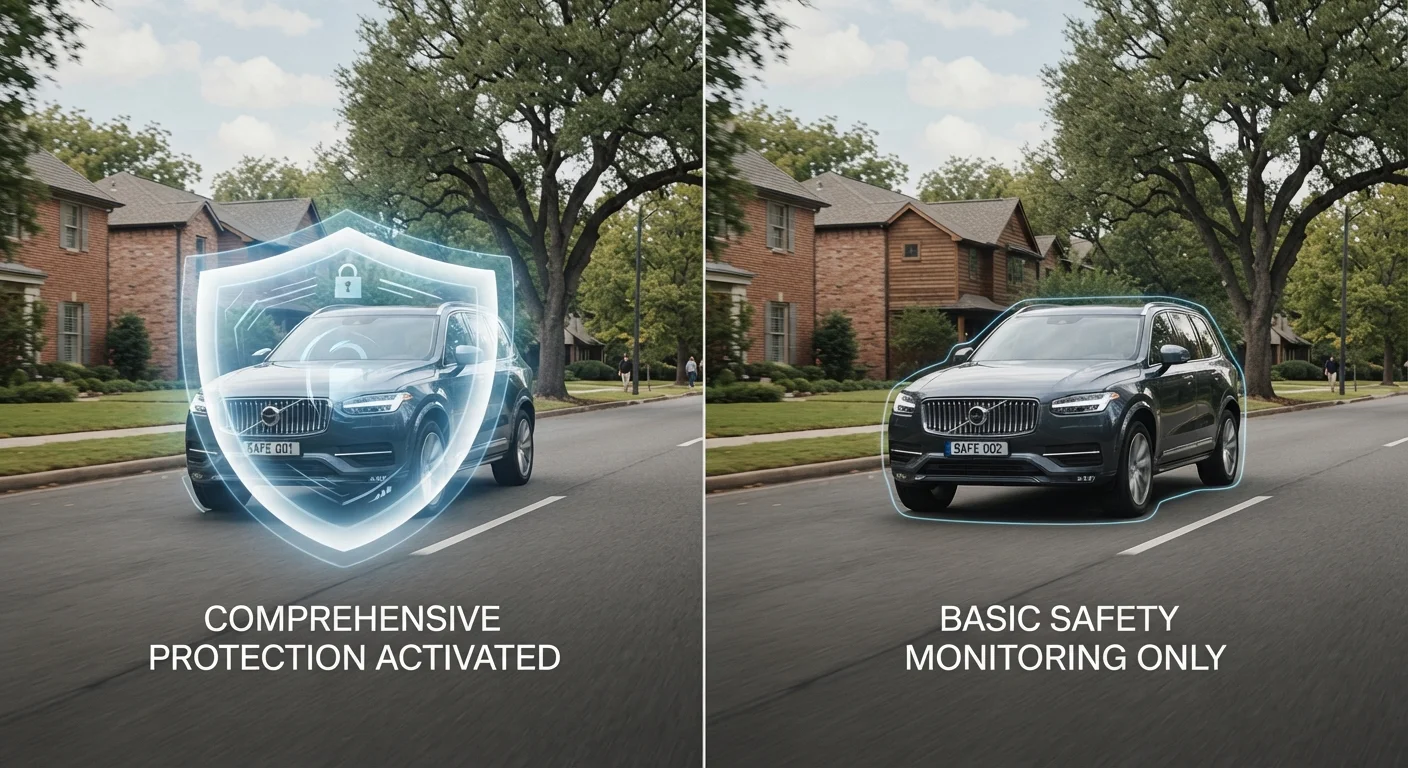
Photo credit: FindersGroove.com | Discover Important Information
In this article
Neither policy type is universally better. Understand the coverage differences and the circumstances where each one makes more sense.
Key Takeaways
- Third-party insurance covers damage you cause to others; comprehensive also covers your own vehicle.
- Comprehensive premiums cost more, but can save money if your car is newer or high-value.
- A car's age and market value are the most practical factors in choosing between the two.
- Lenders and leasing companies typically require comprehensive coverage on financed vehicles.
- Neither policy type is universally superior - the right choice depends on your specific situation.
What Each Policy Actually Covers
Understanding what you're buying starts with stripping each policy down to its core promise.
Third-party insurance covers the financial consequences of damage or injury you cause to other people, their vehicles, or their property. If you rear-end another car, third-party pays for their repairs and any medical costs you're legally liable for. What it does not cover is your own vehicle - whether damaged in that same crash, stolen, or caught in a hailstorm.
Comprehensive insurance wraps third-party liability coverage into a broader policy that also protects your own car. That includes collision damage (often via a separate collision component), theft, fire, natural disasters, falling objects, and vandalism. Some policies bundle collision and comprehensive together; others separate them. Read the policy summary carefully to confirm exactly which events are covered.
A useful shorthand: third-party asks "who else might I hurt?" while comprehensive also asks "what could happen to my own car?"
The Cost-Versus-Coverage Trade-Off
Comprehensive premiums are higher - sometimes significantly - because the insurer is accepting more risk. But a higher premium doesn't automatically make comprehensive the wrong call. The relevant question is whether the coverage you gain is worth what you'd pay for it annually.
| Third-Party Insurance | Comprehensive Insurance | |
|---|---|---|
| Covers damage to others | Yes | Yes |
| Covers your own vehicle (collision) | No | Yes (typically) |
| Covers theft, weather, fire | No | Yes |
| Premium cost | Lower | Higher |
| Required for financed/leased vehicles | No | Generally yes |
| Best vehicle age/value fit | Older, lower-value | Newer, higher-value |
| Out-of-pocket risk if car is totaled | Full vehicle loss | Deductible only |
A practical calculation: if your car's current market value is, say, $4,000 and comprehensive coverage adds $800 per year to your premium, you'd spend $4,000 in premiums over five years for a vehicle that was already worth that at the outset. Factor in your deductible (the amount you pay out-of-pocket before the insurer contributes), and the math can shift against comprehensive coverage for low-value vehicles.
On the other hand, paying a lower premium isn't always the smarter financial move. If your car is worth $25,000 and gets totaled in a flood, a third-party-only policy leaves you absorbing that entire loss.
For a deeper look at how insurers calculate what you pay, see why your car insurance premium is the price it is.
Situations That Point Toward Comprehensive
Certain circumstances make comprehensive coverage a straightforward choice rather than a luxury:
- You're financing or leasing. Lenders and leasing companies almost always require comprehensive (and collision) coverage as a condition of the loan or lease. You generally don't have a choice here. For more on how leasing affects your financial obligations, see leasing vs. owning a car.
- Your car has significant market value. A newer or well-maintained vehicle represents a real financial asset. Protecting it against total loss makes economic sense.
- You live in a high-risk environment. Areas with elevated vehicle theft rates, frequent severe weather, or regular flooding shift the probability that you'll actually need comprehensive's broader protections.
- You couldn't afford to replace the vehicle out-of-pocket. Even if your car isn't new, if replacing it would seriously strain your finances, comprehensive gives you a financial backstop.
Check Your Deductible Before Comparing Costs
Comprehensive quotes can look expensive until you factor in the deductible. A higher deductible lowers your premium but increases what you'd pay out-of-pocket after a claim. Experiment with deductible levels when getting quotes - the sweet spot is usually where the premium savings don't outpace what you could realistically pay after an incident.
Situations That Point Toward Third-Party
Third-party insurance isn't a lesser choice - it's a rational one in specific circumstances:
- Your vehicle is old and low in market value. When the car's worth less than roughly two to three years of the premium difference between policies, the math often favors third-party. Check current market values using publicly available vehicle valuation tools before deciding.
- You have sufficient savings to self-insure the vehicle. If you could replace or repair your car from savings without significant hardship, you're effectively self-insuring that risk - and keeping the premium difference.
- The vehicle is used infrequently. Lower mileage and limited exposure reduce your statistical risk, which can tip the balance toward simpler, cheaper coverage.
New drivers already pay elevated premiums due to limited driving history. If the vehicle is modest in value, third-party can help keep total insurance costs manageable while that history builds.
Don't Underinsure a Financed Vehicle
If you're making loan payments on your car, dropping to third-party coverage is likely a breach of your financing agreement - and could result in the lender force-placing their own insurance on the vehicle at your expense. Always review your loan or lease terms before changing your coverage level.
Making the Decision: A Practical Framework
Run through these questions before choosing:
- What is my car's current market value? Look it up - depreciation is faster than most people expect.
- What would comprehensive coverage add to my annual premium? Get an actual quote; don't estimate.
- What is my deductible? Subtract it from any potential payout to understand your real recovery amount.
- Am I financing or leasing? If yes, check your contract - comprehensive is likely required, not optional.
- Could I absorb a total loss out-of-pocket? Honest self-assessment here matters more than any rule of thumb.
No formula replaces your own numbers, but this framework gives you the right variables to weigh. Knowing when a higher upfront cost pays off - and when it doesn't - applies as much to insurance as it does to any other financial decision.
This article is for general informational and educational purposes only. Insurance requirements, availability, and regulations vary by state. Consult a licensed insurance professional before making coverage decisions specific to your situation.

Author
Autos & Driving Editorial Team
Autos & Driving Editorial Team is the collective byline for our editorial team and contributor network. Articles published under this byline or an editorial pen name are researched, written, and reviewed according to our editorial standards for clarity, consistency, and independence before publication.
View all articles →