
Bringing a Pet Home for the First Time: A Wellness Foundation to Build Early
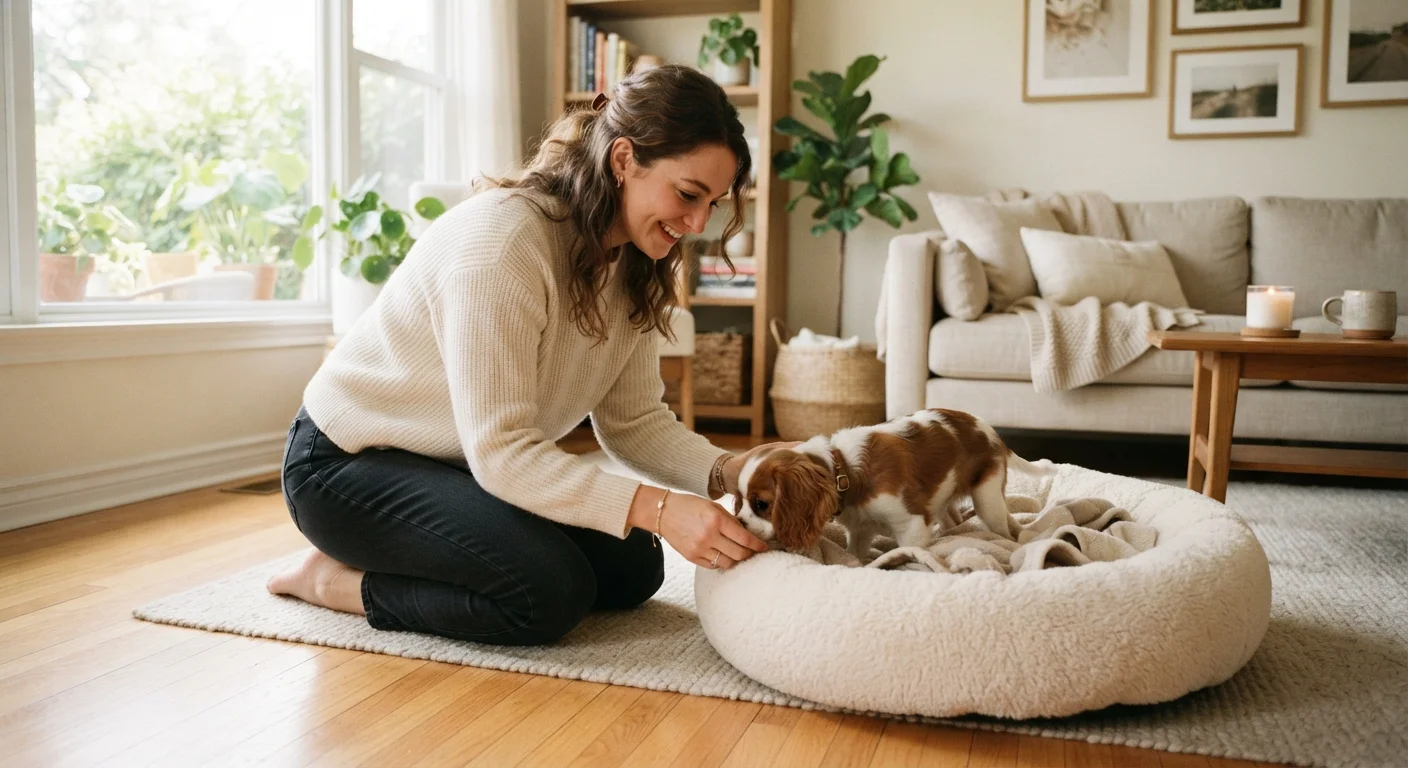
Photo credit: FindersGroove.com | Discover Important Information
In this article
New pet owner? The health habits you establish in the first weeks set the tone for years. Here's what to prioritise from day one.
Key Takeaways
- A veterinary check-up in the first week establishes a baseline for your pet's lifelong health.
- Consistent feeding schedules and adequate rest reduce stress during the adjustment period.
- Early socialisation during developmental windows shapes behaviour for the animal's entire life.
- Preventive care - parasite control, dental hygiene, and routine monitoring - costs far less than treating advanced illness.
- A stable daily routine benefits both the pet's wellbeing and your own peace of mind.
Why the First Weeks Matter Most
Bringing a pet home is exciting, but the early days carry more weight than most new owners realize. The health habits, environments, and routines you establish now become the baseline your animal measures the rest of its life against. Stress, inconsistency, and missed health checks in those first weeks can have effects that linger far longer than the adjustment period itself.
Think of early pet ownership as laying groundwork rather than just getting settled. A calm, structured start reduces anxiety for your animal, makes behaviour easier to shape, and gets you in the habit of paying attention - which is the single most valuable skill any pet owner can build. For a practical look at what those first seven days typically look like, see our guide to the first week with a new pet.
Baseline health check
An initial veterinary examination that records your pet's vital signs and physical condition, giving future vets a reference point to detect changes over time.
Socialisation window
A time-limited developmental period - typically early in a young animal's life - when positive exposure to new experiences has the greatest lasting impact on temperament and behaviour.
Parasite prevention
Ongoing measures - such as monthly treatments recommended by a vet - that protect pets from fleas, ticks, heartworm, and intestinal worms before an infestation or infection occurs.
Preventive care
Routine health practices - including vaccinations, dental hygiene, and regular check-ups - designed to catch and prevent health problems before they become serious.
Diet transition
The process of gradually changing a pet's food over seven to ten days to minimise digestive upset caused by an abrupt switch.
Scheduling Your First Veterinary Visit
A veterinary visit within the first week is one of the most important steps you can take. Even if your pet came with health records, a new vet can establish a baseline: weight, temperature, heart rate, and a physical exam that flags anything that might otherwise go unnoticed. This appointment is also your opportunity to ask about vaccination schedules, parasite prevention, and spay or neuter timing if relevant.
Bring any existing health records and be ready to describe the animal's eating, drinking, and elimination habits since you brought them home. Your vet is your primary partner in your pet's wellness - building that relationship early matters. For a full year-one checklist covering vaccinations, microchipping, and scheduled check-ups, refer to our first-year care checklist.
Prepare your questions before the appointment
Write down any observations about your pet's behaviour, appetite, or elimination habits before your first vet visit. Even small details - like how much water the animal is drinking or whether it seems reluctant to walk - are useful clinical information. Arriving prepared makes the most of your appointment time.
Nutrition, Routine, and Rest
Feed your pet at the same times each day. Consistent mealtimes regulate digestion, help with house-training, and signal to your animal that its environment is predictable and safe. If you need to change your pet's food, do so gradually over seven to ten days to avoid gastrointestinal upset.
Rest is equally important, especially for puppies and kittens whose immune systems and nervous systems are still developing. Resist the urge to play continuously or pass the animal around to everyone who visits. Providing a quiet, comfortable, designated space - one the pet can retreat to without being disturbed - supports both physical recovery from the stress of transition and long-term wellbeing. Our guide to setting up a safe, comfortable space walks through how to create that environment at home.
A steady daily structure benefits both pets and owners. Building a daily routine your pet can rely on is one of the most effective things you can do to reduce anxiety and unwanted behaviours over time.
Socialisation and Behavioural Foundations
Young animals - puppies and kittens especially - have developmental windows during which new experiences, people, sounds, and environments are processed without lasting fear. These windows are time-limited, and what a young animal does or doesn't encounter during them can shape its temperament for life. Missing this period entirely isn't always catastrophic, but capitalising on it is one of the highest-value actions an early owner can take.
Introduce new stimuli calmly, at a pace the animal is comfortable with, and always end interactions on a positive note. This isn't just good manners training - it's foundational wellness. A fearful or under-socialised pet faces greater stress throughout its life, which has measurable physical health implications. Learn more about these critical periods in our article on socialisation windows and why timing matters.
Socialisation is not the same as exposure
Simply exposing a puppy or kitten to new things isn't sufficient - the experience needs to feel safe and manageable. Flooding a young animal with overwhelming stimuli can increase fear rather than reduce it. Go slowly, watch for signs of stress such as tucked tails or flattened ears, and let the animal set the pace where possible.
Preventive Care Habits to Start Now
Preventive care is where many first-time pet owners lose ground simply because nothing seems wrong yet. But the habits formed now - regular weigh-ins, ear checks, teeth brushing, coat inspection, and parasite prevention - dramatically reduce the likelihood of expensive, painful problems later.
Get comfortable handling your pet's paws, ears, and mouth from an early age. Animals accustomed to this kind of handling tolerate veterinary exams far better and are safer to groom throughout their lives. For grooming decisions specifically, our overview of home versus professional grooming helps you identify what you can manage yourself and when a professional is the right call.
Use our monthly pet wellness checklist as an ongoing reference to stay ahead of potential issues. Small, consistent attention now is the most reliable investment you can make in your pet's long-term health.
This article is for general informational and educational purposes only and does not constitute veterinary or medical advice. Always consult a licensed veterinarian for guidance specific to your pet's health needs.
Don't skip preventive care because your pet seems healthy
Many parasites, dental conditions, and early-stage illnesses show no obvious symptoms until they've advanced significantly. Routine prevention and check-ups are designed precisely for this scenario - catching problems before they become visible. Waiting for symptoms to appear typically means higher treatment costs and more discomfort for your pet.
Frequently Asked Questions

Author
Pets & Animal Life Editorial Team
Pets & Animal Life Editorial Team is the collective byline for our editorial team and contributor network. Articles published under this byline or an editorial pen name are researched, written, and reviewed according to our editorial standards for clarity, consistency, and independence before publication.
View all articles →