
Dental Health in Dogs and Cats: What Owners Consistently Get Wrong
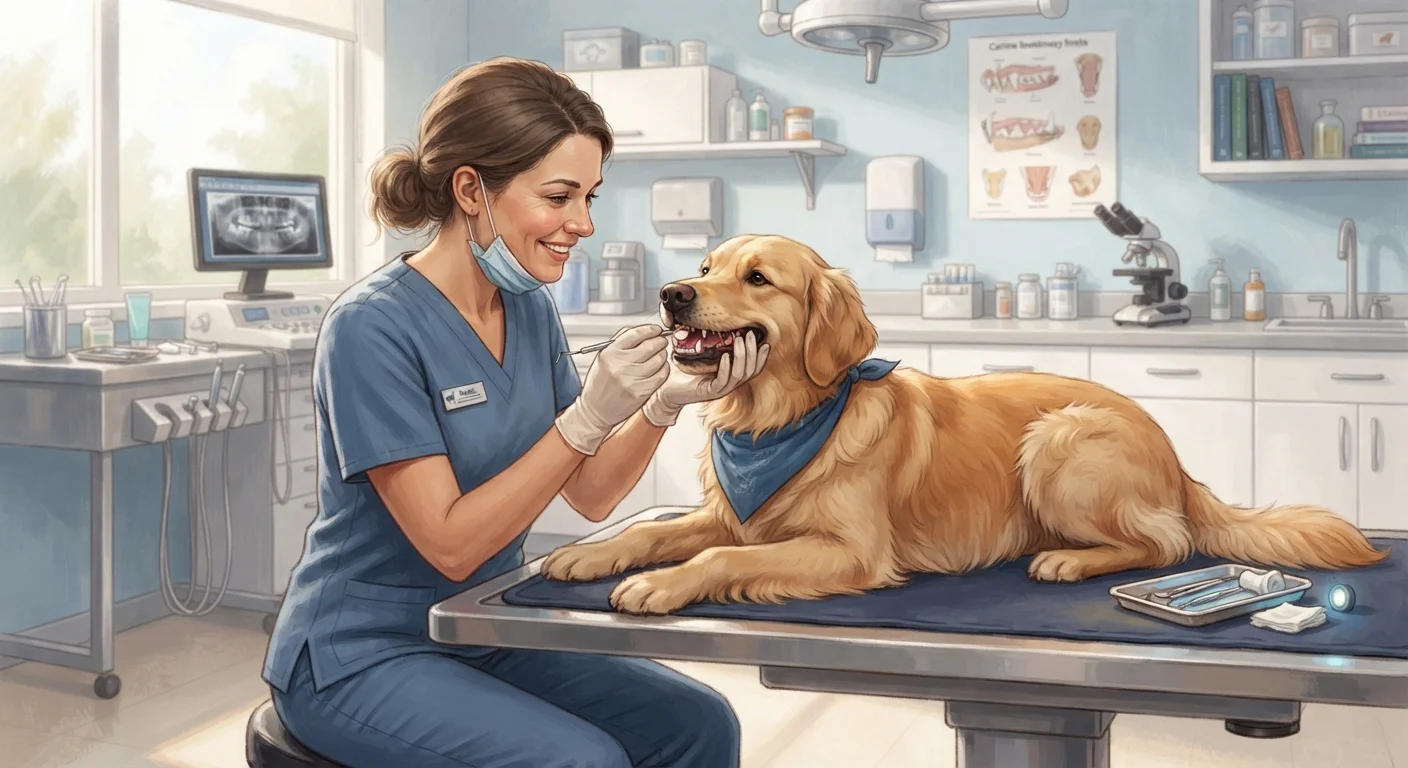
Photo credit: FindersGroove.com | Discover Important Information
Periodontal disease affects most pets by age three, yet it's largely preventable. Explore the habits and misconceptions that let it quietly progress.
Key Takeaways
- Periodontal disease affects the majority of dogs and cats by age three, often without obvious symptoms.
- Daily toothbrushing with pet-safe toothpaste is the single most effective home prevention method.
- Dental chews and treats alone are not a substitute for brushing or professional cleanings.
- Bad breath is not normal in pets - it is usually a sign of bacterial buildup or active disease.
- Professional dental cleanings under anesthesia are generally safe and recommended by veterinary experts.
- Early intervention prevents pain, tooth loss, and systemic complications affecting the heart and kidneys.
Why Pet Dental Health Gets Overlooked
Dental disease is one of the most diagnosed conditions in companion animals, yet it remains one of the most neglected. Veterinary organizations estimate that the majority of dogs and cats show signs of periodontal disease by age three - a statistic that surprises many owners who assume their pet's mouth is fine because the animal is eating and behaving normally.
The problem is partly visibility. Unlike a limp or a skin issue, early dental disease is quiet. Inflammation, bacterial plaque, and bone loss develop below the gumline before any outward sign appears. By the time owners notice something, the disease is often well advanced. Understanding why common mistakes happen is the first step toward changing them. For a broader view of at-home wellness habits, see our monthly pet wellness checklist - it covers the regular checks that help catch problems like this early.
~80%
Dogs showing periodontal disease by age 3
According to the American Veterinary Medical Association, the majority of dogs exhibit some degree of periodontal disease by their third year.
70%+
Cats affected by dental disease by age 3
Veterinary dental specialists estimate that over 70% of cats show signs of oral disease by age three, much of it progressing silently.
#1
Most diagnosed condition in small animal practice
Periodontal disease consistently ranks as the most frequently diagnosed health problem seen in routine small animal veterinary visits.
The Mistakes That Let Dental Disease Progress
Below are the errors veterinary professionals most frequently encounter - and what you can do differently starting today.
Assuming bad breath is normal for pets.
Why it happens: Many owners have grown accustomed to 'dog breath' or 'cat breath' as an unavoidable reality, so they don't flag it as a clinical concern.
Skipping toothbrushing because the pet resists at first.
Why it happens: Introducing a toothbrush to an untrained animal can feel chaotic, so owners often give up after one or two attempts and look for an easier alternative.
Relying solely on dental chews or 'dental diets' as a substitute for brushing.
Why it happens: These products are marketed with dental claims, which leads owners to believe they provide complete oral care. The packaging often looks authoritative.
Avoiding professional cleanings due to anesthesia concerns.
Why it happens: Owners worry about anesthesia risk, which is understandable, especially for older pets. This concern sometimes leads to indefinite postponement of cleanings.
Waiting for visible signs before acting, such as tooth loss or refusal to eat.
Why it happens: Animals instinctively mask pain. A pet that continues eating dry kibble may still be experiencing significant oral discomfort - owners interpret eating normally as a sign that nothing is wrong.
Thinking dental care is only relevant for older pets.
Why it happens: Owners often associate tooth problems with aging, so they delay establishing a dental routine until a pet is already middle-aged or senior.
Anesthesia-Free Dental Cleanings Are Not Equivalent
Some grooming salons and pet spas offer tooth scaling without anesthesia. While it may create the appearance of cleaner teeth, this approach only addresses visible surfaces and cannot safely or effectively treat below the gumline - where most disease originates. Veterinary dental organizations do not recommend anesthesia-free cleanings as a substitute for professional veterinary care. Always confirm that any dental procedure for your pet is performed by or under the direct supervision of a licensed veterinarian.
This article is for general informational and educational purposes only and does not constitute veterinary medical advice. Always consult a licensed veterinarian for guidance specific to your pet's health needs.

Author
Pets & Animal Life Editorial Team
Pets & Animal Life Editorial Team is the collective byline for our editorial team and contributor network. Articles published under this byline or an editorial pen name are researched, written, and reviewed according to our editorial standards for clarity, consistency, and independence before publication.
View all articles →