
Building a Wardrobe When You're Starting Essentially From Scratch
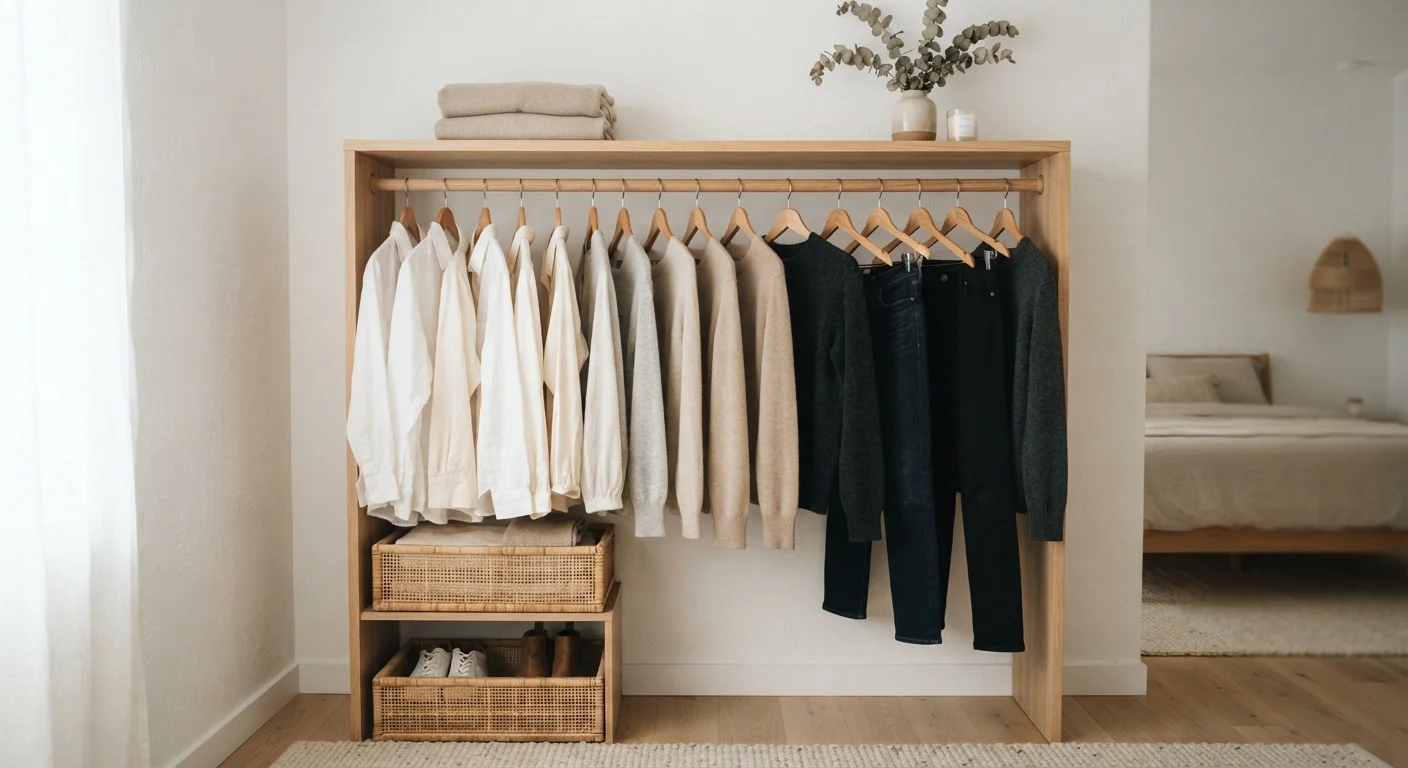
Photo credit: FindersGroove.com | Discover Important Information
In this article
No inherited hand-me-downs, no clear starting point? This guide walks through the foundational pieces and thinking that make a wardrobe actually usable.
Key Takeaways
- Map your real weekly life before buying a single item - context drives good wardrobe decisions.
- A small set of versatile basics creates more outfit options than a large collection of one-off pieces.
- Neutral color palettes make mixing and matching almost automatic from day one.
- Fit matters more than brand - an inexpensive piece that fits well outperforms an expensive one that doesn't.
- Build gradually and intentionally; gaps in a new wardrobe are normal and fixable over time.
Start With Your Actual Life, Not a Pinterest Board
The single biggest mistake people make when building a wardrobe from zero? Shopping for a life they don't have yet. Before you spend anything, spend about ten minutes mapping your real weekly reality.
Ask yourself: How many days do I work, and does that environment have any dress code - even an informal one? What do I actually do on weekends? Do I exercise in clothes I care about, or purely functional gear? Are there recurring social situations (dates, friend gatherings, family events) where I want to feel put-together?
That honest inventory tells you which wardrobe categories you need most. Someone who works remotely five days a week needs a very different foundation than someone commuting to an office. Neither answer is wrong - but buying the wrong category is a fast way to own a lot of things you never reach for.
Map Your Week Before You Shop
Grab a notebook and write down your actual schedule for a typical week - work, social plans, exercise, errands. Group those situations into two or three dress-code buckets. That list becomes your shopping brief, which makes every purchase decision much easier and more purposeful.
If you're also figuring out your broader aesthetic sensibility - not just what to buy but how you want to look - our guide to building a style identity from scratch is a useful companion to this one.
The Foundational Pieces Worth Prioritizing
Versatility is the whole game when you're starting lean. The goal is pieces that pair with multiple other items you own, work across at least two different contexts in your life, and don't demand to be the center of attention.
Versatile piece
A clothing item that pairs easily with multiple other items in your wardrobe and works across more than one type of occasion or setting.
Neutral backbone
A base of wardrobe colors - like black, white, navy, and grey - that coordinate naturally with each other and with bolder colors you add later.
Mid-layer
A garment worn between a base top and an outer jacket, such as a knit sweater or button-front shirt, that adds warmth and style flexibility.
Wardrobe gap
A missing category or item that causes you to frequently reach for the same few pieces or feel like you have nothing appropriate to wear for a specific situation.
Smart-casual
A dress code zone between formal and purely relaxed - polished enough for most social or professional-casual settings without requiring a suit or tie.
Some reliable starting categories for most lifestyles:
- Well-fitting bottoms in neutral tones - dark jeans, chinos, or trousers in navy, black, or stone cover an enormous range of situations.
- A few plain tops - white, grey, and black crewneck or V-neck tees layer under almost anything and pair with every bottom.
- One or two mid-layers - a simple crewneck sweatshirt, a lightweight knit, or a button-front overshirt transitions across seasons and dress codes.
- One smart-casual outer layer - appropriate for your climate, but ideally not so casual it can't come to dinner or so formal it feels out of place on a weekend.
- Two pairs of shoes at minimum - one clean casual (a simple sneaker or loafer), one slightly more polished (a leather shoe or a clean boot depending on your style).
Notice what's not on this list: statement pieces, highly trend-specific items, or category-specific gear for hobbies you do occasionally. Those come later, once the foundation holds your week together on its own.
How to Think About Color and Fit
Two factors will determine whether your wardrobe actually functions day-to-day: whether the colors in it talk to each other, and whether the pieces actually fit you.
On color: Starting with a neutral backbone - think black, white, grey, navy, tan - means almost everything pairs with everything else by default. You can absolutely introduce color you love, but anchoring around neutrals first means fewer "nothing goes together" mornings. Our guide to building a color palette that works for you goes deeper on this if you want a more intentional approach.
On fit: This is non-negotiable. A well-fitting inexpensive piece will look better than an expensive piece that doesn't fit your body. Key checkpoints: shoulders align with your actual shoulder, fabric doesn't pull across the chest or hips at rest, and trouser or jean hems hit where you want them (hemming is inexpensive and transformative). If something fits well everywhere except the length, that's almost always fixable.
Don't Shop for an Imagined Future Self
It's tempting to buy pieces for the life you're working toward - the office job you're interviewing for, the social life you want to have. But clothes that don't fit your current routine rarely get worn, and unworn clothes are wasted money. Buy for today; update for tomorrow when tomorrow actually arrives.
Once the basics are solid, it's worth understanding how to transition seasonally without rebuilding your wardrobe - layering logic and a few targeted additions can carry you much further than seasonal shopping hauls.
Building Over Time Without Impulse Buying
A wardrobe built from scratch will have gaps - that's completely normal. The goal isn't to fill every gap immediately; it's to fill the right ones deliberately.
A practical rhythm: after living with your current wardrobe for a few weeks, note what you're reaching for constantly and what's sitting untouched. Constant-reach items signal a gap (you need more of that category or a variation of it). Untouched items signal a misread on your actual needs.
When you're ready to add something new, shop from a short written list rather than browsing open-endedly. Open-ended browsing is where impulse purchases happen - pieces that appeal in the moment but don't connect to anything you already own. For more on the patterns that quietly bloat a wardrobe into something unusable, see our piece on habits that lead to a cluttered wardrobe.
Building takes time, and that's actually fine. A wardrobe that grows slowly and intentionally tends to get used far more completely than one assembled in a weekend shopping sprint. If you already own some clothes but aren't wearing them, getting more wear out of what you already have is worth reading before you buy anything new at all.
The wardrobe you're building doesn't need to be large. It needs to be yours - functional, honest about your life, and easy to get dressed from every single day.
Frequently Asked Questions

Author
Style & Beauty Editorial Team
Style & Beauty Editorial Team is the collective byline for our editorial team and contributor network. Articles published under this byline or an editorial pen name are researched, written, and reviewed according to our editorial standards for clarity, consistency, and independence before publication.
View all articles →