
Colour in Your Wardrobe: How to Build a Palette That Actually Works for You
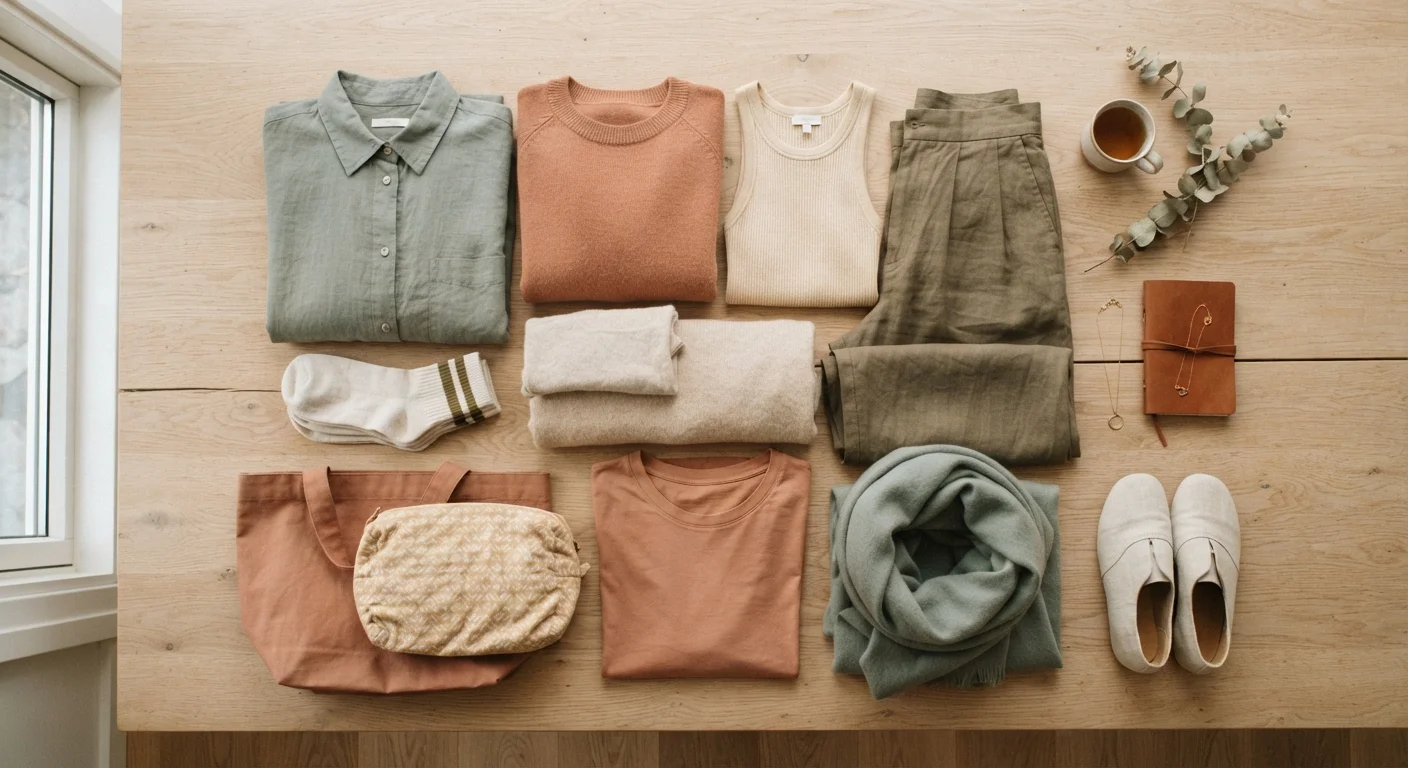
Photo credit: FindersGroove.com | Discover Important Information
In this article
A cohesive colour palette makes getting dressed easier and your outfits more intentional. Here's a practical approach to finding yours.
Key Takeaways
- Your ideal wardrobe palette is built around colours you already love and actually wear.
- A working palette combines 2-3 neutrals with 2-4 accent colours that mix well together.
- Understanding your undertone helps you choose colours that flatter your complexion naturally.
- A cohesive palette reduces decision fatigue and makes outfits feel more intentional.
- Trends can inspire but shouldn't override a palette that genuinely works for your life.
Why a Colour Palette Is More Than an Aesthetic Exercise
Getting dressed should feel straightforward, not like solving a puzzle from scratch every morning. One of the quieter reasons many people feel frustrated with their wardrobes - even full ones - is that the colours don't talk to each other. Pieces that look great individually refuse to combine into actual outfits, and the result is that familiar paralysis in front of a packed closet.
A defined colour palette solves this at the root. When your wardrobe operates within a shared colour language, almost everything pairs with almost everything else. That's not restrictive - it's freeing. It also shifts the way you shop: instead of buying whatever catches your eye in the moment, you're making deliberate additions that genuinely expand your options.
This isn't about adopting someone else's aesthetic or following a rulebook. As our piece on what makes personal style feel cohesive explains, colour palette is just one element of a unified look - but it's often the most immediately impactful one to get right.
What you will need
Building Your Palette Step by Step
Follow the steps below at your own pace. You don't need to complete everything in one sitting - the audit and the testing phase in particular benefit from a little breathing room between them.
Audit What You Already Wear
Pull out the items you actually reach for - not your whole wardrobe, just the pieces that get worn repeatedly. Lay them out and look for colour patterns. Most people discover they already gravitate toward a natural palette without having named it. Note which colours dominate, which rarely appear, and which items you own but never wear. This is your honest data.
Identify Your Undertone as a Compass
Undertone - whether your skin reads warm (golden, peachy, olive), cool (pink, rosy, bluish), or neutral - can help you understand why certain colours feel immediately right on you. A simple method: look at the veins on your inner wrist in natural light. Greenish veins suggest warm undertones; bluish-purple veins lean cool; a mix indicates neutral. Use this as a general guide, not a rigid rule.
Choose Your Neutral Foundation
Every functional wardrobe palette needs 2-3 neutrals that form the backbone of your outfits. Common options include white, off-white, cream, black, grey, navy, camel, tan, and chocolate brown. Warm undertones often pair better with cream, camel, and warm grey; cool undertones tend to suit true white, charcoal, and navy. Pick neutrals you'll genuinely wear as your base, not ones that feel like compromise.
Add 2-4 Accent Colours That You Love
Accent colours are the shades that give your wardrobe personality. Rather than selecting colours because they're trending, ask yourself: what colours make me feel energised or confident when I wear them? Think in colour families - dusty blue, cobalt, and navy can all sit comfortably together, for example. Choose accent colours that work alongside each other and alongside your neutrals. The goal is maximum mix-and-match potential.
Test for Cohesion Before Committing
Once you have your palette shortlisted, lay out a few actual garments from each colour group and try pairing them. Do your neutrals and accents mix fluidly? Can you build at least 4-5 distinct outfits from the combinations? If certain colours stubbornly resist pairing with others, reconsider whether they belong. A palette that works in theory but not in your mirror needs adjusting. The neutral vs. colour-driven wardrobe framework can also help you decide on your overall balance.
Write Down Your Palette and Use It When Shopping
Document your finalized palette - even a simple list of colour names is enough. When you shop, reference it before buying. Ask yourself: does this colour fit within my palette, and does it coordinate with at least three things I already own? This single filter eliminates most impulse purchases that end up unworn. Your palette is a decision-making tool, not a straitjacket - it can evolve as you do.
Avoid Building a Palette Around Trends
Trend-driven colours cycle out fast, leaving you with pieces that feel dated before they wear out. Use trends as inspiration for small accent additions - a scarf, a bag, a single statement top - rather than overhauling your whole palette seasonally.
Once you have a working palette, you'll find it naturally supports other style decisions too. If you're interested in the broader concept of a streamlined, intentional wardrobe, our honest look at the capsule wardrobe is a worthwhile read alongside this process.
Don't Overthink Undertone Rules
Undertone guidance is a helpful starting point, not a hard rule. If a colour makes you feel great and you reach for it constantly, it belongs in your palette regardless of what any theory says. Personal resonance always wins.

Author
Style & Beauty Editorial Team
Style & Beauty Editorial Team is the collective byline for our editorial team and contributor network. Articles published under this byline or an editorial pen name are researched, written, and reviewed according to our editorial standards for clarity, consistency, and independence before publication.
View all articles →