
The Elements That Make a Personal Style Feel Cohesive
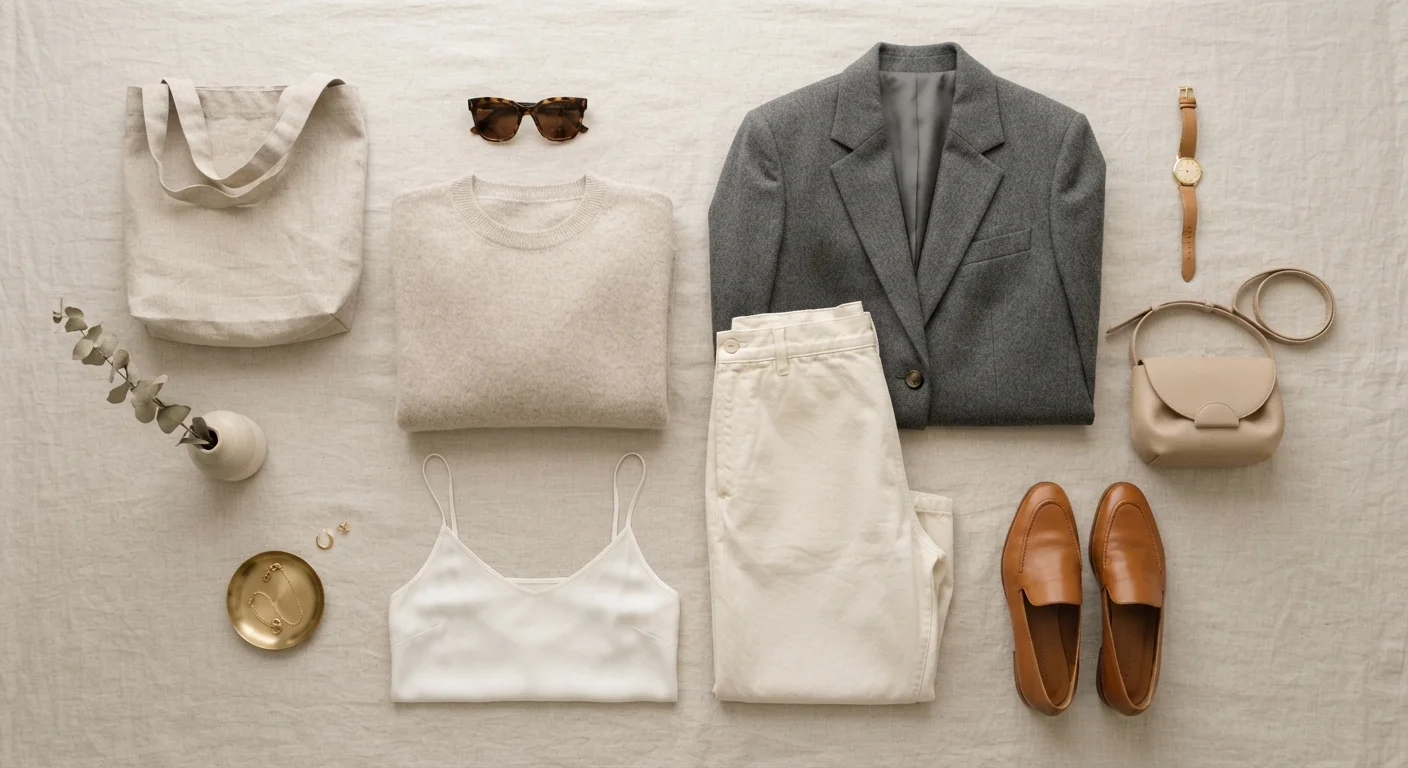
Photo credit: FindersGroove.com | Discover Important Information
In this article
Colour palette, silhouette, texture, and proportion all play a role in visual consistency. Here's how each element contributes to a unified aesthetic.
Key Takeaways
- A limited, intentional colour palette is the fastest way to create visual consistency across outfits.
- Silhouette repetition - not identical shapes, but compatible ones - signals a recognisable aesthetic.
- Texture and fabric weight communicate mood and should align with your overall style direction.
- Proportion choices, like consistently high-waisted or relaxed fits, tie disparate pieces together.
- Cohesion comes from recurring decisions, not from owning a uniform or rigid set of rules.
Why Cohesion Matters More Than Trend Alignment
Scroll through anyone's fashion inspiration and you'll notice the accounts that feel most compelling aren't necessarily the trendiest - they're the most consistent. Cohesion is what transforms a collection of clothes into a wardrobe with a point of view. It's what makes an outfit feel effortless rather than assembled.
The good news: cohesion isn't about budget, body type, or owning expensive pieces. It's about understanding which visual elements create harmony - and learning to make those choices deliberately. This article breaks down the four core elements that drive cohesion, so you can apply them to whatever aesthetic resonates with you. If you're still in the early stages of figuring out your direction, building a style identity from scratch is a great place to start.
~80%
Of wardrobe items left unworn regularly
Research into consumer wardrobe habits consistently suggests the majority of owned clothing goes unworn - a pattern often linked to a lack of cohesion between pieces.
3-5
Core colours in a functional wardrobe palette
Style educators and wardrobe consultants commonly recommend anchoring around three to five complementary colours to maximise outfit combinations and reduce decision fatigue.
Colour Palette: The Fastest Route to Visual Unity
Colour is the element your eye registers first, which makes it the most powerful lever for creating cohesion. A wardrobe anchored in a considered palette - even a loose one - immediately reads as intentional. You don't need rigid rules, but you do need a through-line.
Think in terms of a base (your neutrals, the colours that appear most often), a complement (tones that work well alongside your base), and an accent (the occasional surprise that adds personality without disrupting harmony). When those three layers are compatible, almost anything in your wardrobe can be worn together.
Test Your Palette Before Committing
Before buying anything new, lay your most-worn pieces together and photograph them. Look for the colours that appear again and again - those are already your palette. New additions should speak that same colour language, even if they don't match exactly.
For a deeper dive into building yours, colour palette building for your wardrobe covers practical strategies in full.
Silhouette and Proportion: The Shape of Your Aesthetic
If colour is what people notice first, silhouette is what they remember. The recurring shapes in your wardrobe - whether that's structured shoulders, relaxed wide-leg trousers, or fitted knits - create a visual signature that persists even when everything else changes.
Proportion works alongside silhouette. Consistently pairing voluminous tops with slim bottoms, or cropped layers over wide-leg fits, becomes a recognisable formula that makes getting dressed faster and more intuitive. You're not locked into one proportion forever - but when your choices share a logic, they read as a style rather than an accident.
Once you have your core proportions mapped, carrying that consistency across different occasions becomes much more manageable.
Texture and Fabric: The Mood Behind the Outfit
Texture is the subtlest of the four elements - and often the most underestimated. The fabrics you gravitate toward communicate mood as clearly as colour does. A wardrobe built around linen, cotton canvas, and raw denim projects something fundamentally different from one built around satin, crepe, and cashmere - even if both share an identical colour palette.
Cohesion at the texture level doesn't mean every piece needs to share the same fabric weight. It means the materials you choose share a general character - earthy and organic, polished and smooth, relaxed and lived-in. Mixing textures within that character adds depth without disrupting unity.
Visual references are enormously helpful for identifying your texture instincts. Inspiration sources that clarify your aesthetic - like film stills or street photography - often reveal material preferences you weren't consciously aware of.
Together, these four elements - colour, silhouette, proportion, and texture - form the architecture of a cohesive personal style. They work best not as rigid rules but as recurring preferences you can identify, refine, and lean into over time. For a complete framework covering all aspects of this process, developing your personal style: a complete reference brings every element together in one place.
Frequently Asked Questions

Author
Style & Beauty Editorial Team
Style & Beauty Editorial Team is the collective byline for our editorial team and contributor network. Articles published under this byline or an editorial pen name are researched, written, and reviewed according to our editorial standards for clarity, consistency, and independence before publication.
View all articles →