
Visual Inspiration Sources That Actually Help You Define Your Own Style
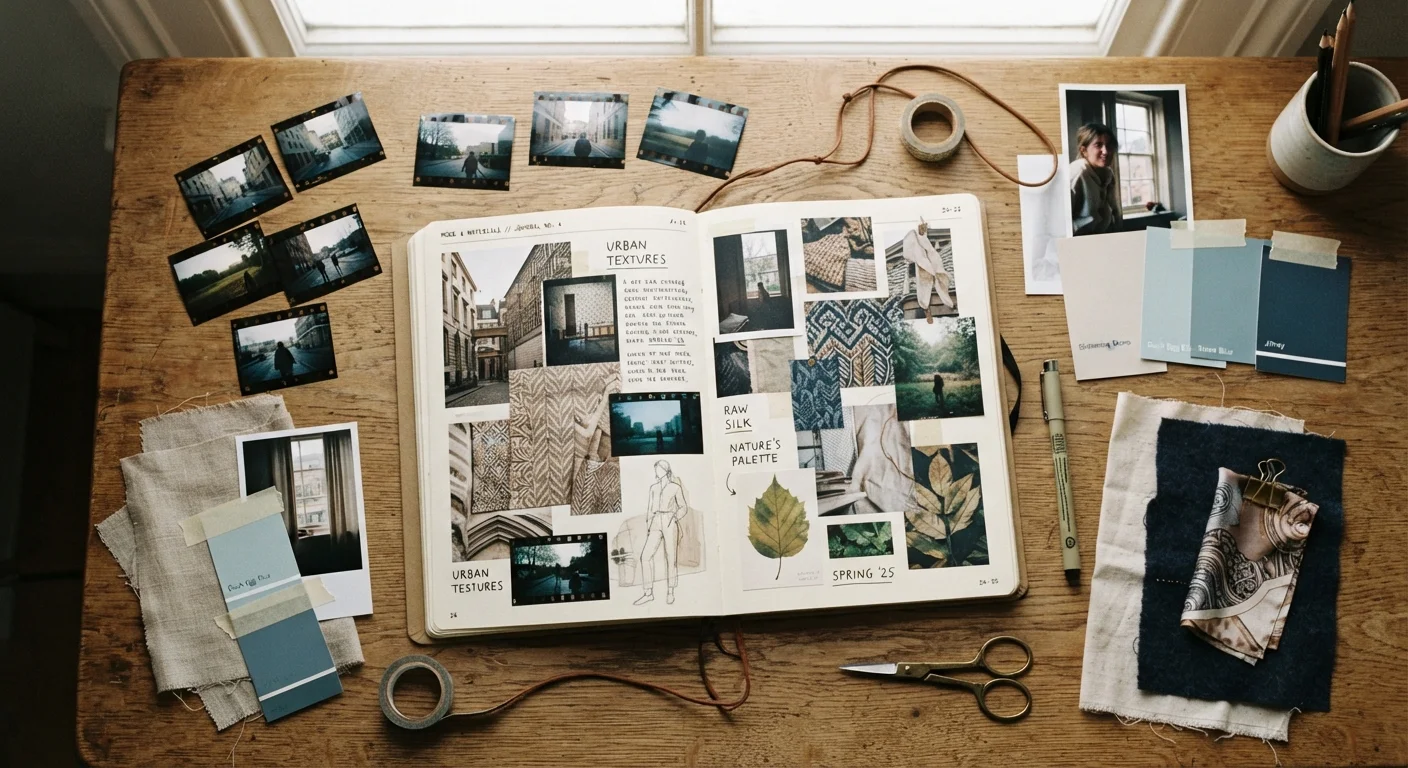
Photo credit: FindersGroove.com | Discover Important Information
In this article
Mood boards, film stills, street photography — some sources clarify your aesthetic instincts better than others. Here's how to use each one well.
Key Takeaways
- Different visual sources reveal different aspects of your aesthetic instincts - use them intentionally.
- The goal isn't to copy looks you find; it's to notice recurring preferences across many images.
- Film, street photography, and personal archives often surface more authentic style signals than curated fashion feeds.
- Mood boarding works best when you edit ruthlessly - patterns emerge from what you keep, not what you collect.
- Inspiration loses value if it isn't connected back to your real body, lifestyle, and wardrobe.
Why Your Inspiration Sources Shape Your Style Identity
Most of us absorb style influences constantly - scrolling feeds, watching shows, walking through cities - without ever pausing to assess whether those sources are actually helping us understand ourselves. Some visual environments sharpen your aesthetic instincts. Others quietly nudge you toward trends that have nothing to do with who you are. The difference matters enormously if you're trying to build a genuine style identity rather than just accumulating outfits.
What makes an inspiration source genuinely useful is specificity. The more concrete and context-rich an image is - showing real people in real situations rather than flawlessly staged editorial shots - the more honestly it reflects whether a particular aesthetic would work in your actual life. With that framework in mind, here are the visual sources worth returning to, and how to get the most from each.
Film and Television Costume Design
Costume designers make deliberate decisions about color, silhouette, and texture to communicate character - which means film stills and show screencaps are among the most intentional style images you can study. When a particular character's wardrobe resonates with you, it's rarely accidental. You're responding to a coherent, considered visual language.
Try watching films or shows you already love with fresh eyes, pausing to screenshot outfits that feel right. Don't limit yourself to contemporary productions - films across different decades show how proportion, color, and fabric choices create distinct moods. What you're looking for isn't costumes to recreate, but recurring aesthetic signals about what draws you in.
Costume designers make deliberate choices that help you identify aesthetic signals you didn't know you had.
Street Photography and Documentary Images
Fashion editorials show clothing at its most idealized; street photography shows it in motion, in weather, in context. When you see a stranger photographed mid-stride in a city you've never visited, wearing something that stops you cold, that response is almost entirely about the clothing - not aspirational lifestyle staging or a heavily retouched presentation.
Look for street photography archives, urban documentary work, and candid style images from different cities and eras. The friction of real life - wrinkled fabric, unexpected layering, clothes worn with obvious personality - often makes aesthetic preferences clearer than any studio shot could. These images also reinforce what will actually function in your daily routine, which connects directly to building everyday fashion that's wearable, not just aspirational.
Street photography removes lifestyle staging and forces you to react to the clothes themselves.
Your Own Past Photographs
This is the most underused source of all. Scroll back through years of photos - not just deliberately styled outfits, but candid birthday pictures, old vacation snaps, anything where you happen to be dressed. Which ones make you think yes, that felt right? Which ones produce an instinctive cringe that has nothing to do with how you look and everything to do with what you were wearing?
Your own archive is honest in a way no curated inspiration board can be. It shows you what you've actually lived in, what made you feel confident, and what felt like a mistake even when you bought it with enthusiasm. Patterns in your personal history are often the clearest guide to your authentic aesthetic preferences.
Your own past photographs reveal what you've actually felt good in - no curation required.
Art, Interiors, and Visual Culture Beyond Fashion
Your aesthetic instincts don't operate only when you're looking at clothes. The art you're drawn to, the interior spaces that feel calming or energizing, the color combinations that stop you in a museum - all of these are windows into the same underlying visual sensibility that shapes your style preferences.
If you're consistently drawn to minimalist architecture, spare compositions, and muted palettes in art, that's information about your aesthetic identity. If you love maximalist pattern, warm saturated color, and layered texture in the spaces you find beautiful, that's information too. Cross-referencing style inspiration with your broader visual tastes helps you build a consistent aesthetic across different contexts rather than one that fragments under different dress codes.
The art and spaces you love reflect the same aesthetic sensibility that shapes your style preferences.
Edited Mood Boards (Physical or Digital)
A mood board is only as useful as its editing process. Collecting images is easy; the insight comes from restricting your board to images that genuinely resonate rather than just images you find interesting or impressive. Aim for ruthless curation - if you're hesitating over whether an image belongs, it probably doesn't.
Once you have a tightly edited collection, step back and look at the whole thing. What colors dominate? What silhouettes repeat? What's notably absent? The gaps are as revealing as the inclusions. A well-edited mood board functions as a visual definition of your aesthetic - something you can return to when you're considering a purchase or trying to articulate what you want your wardrobe to feel like. For this process to support mindful purchasing, the board should be a filter, not just a wishlist.
Ruthless editing is what transforms a mood board from a collection into a clear aesthetic statement.
Vintage and Archive Fashion Photography
Trend cycles move fast, but your underlying aesthetic preferences tend to be more stable than you might think. Looking at fashion photography from past decades - not as a guide to what's coming back, but as a broad visual vocabulary - can help you identify which qualities feel consistently appealing to you regardless of what's currently in season.
You might discover that you're always drawn to the clean, sculptural tailoring of one era, or the relaxed, layered textures of another. Recognizing these cross-era preferences is a useful sign that you're responding to something genuine in your own taste rather than the cultural noise of the current moment. It's one of the more reliable routes into the deeper work covered in a complete personal style reference.
Cross-era preferences reveal aesthetic instincts that outlast any single trend cycle.
Turning Collected Images into a Coherent Direction
Gathering inspiration is only half the process. The work that actually defines your style happens when you edit. Once you've spent a few weeks saving images from the sources below, look at your collection as a whole and ask: What silhouettes repeat? What color stories keep appearing? What textures, proportions, or moods feel consistently right? That pattern-recognition is the foundation of a cohesive personal aesthetic.
Edit Before You Expand
Resist the urge to keep growing your inspiration collection indefinitely. Set a limit - say, 30 to 50 saved images - and make yourself remove something every time you want to add something new. This constraint forces genuine prioritization and makes the patterns in your preferences far easier to see. Quality of reflection beats quantity of content every time.
From there, the next challenge is translating what you see into what you actually wear - across everyday contexts, not just ideal ones. That's where inspiration becomes intention, and where your style identity starts to feel genuinely yours rather than borrowed. For practical next steps, dressing with intention offers habits that keep the process grounded as your tastes evolve.

Author
Style & Beauty Editorial Team
Style & Beauty Editorial Team is the collective byline for our editorial team and contributor network. Articles published under this byline or an editorial pen name are researched, written, and reviewed according to our editorial standards for clarity, consistency, and independence before publication.
View all articles →