
Building a Style Identity from Scratch
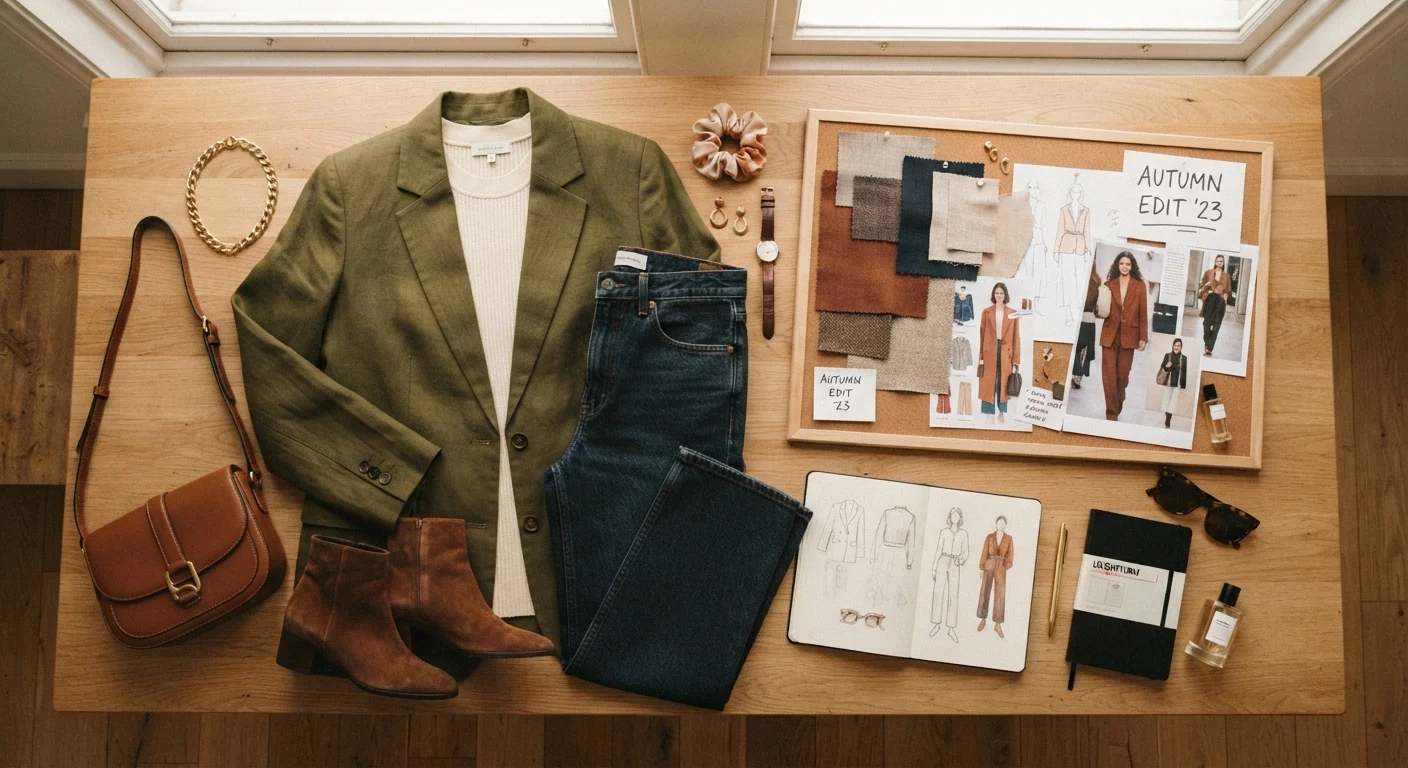
Photo credit: FindersGroove.com | Discover Important Information
In this article
No idea where to start with your personal aesthetic? This guide walks you through the foundational steps of discovering what you actually want to wear.
Key Takeaways
- Style identity is about consistent personal expression, not following trends.
- Your existing wardrobe choices are already telling you something - listen to them.
- Collecting visual references helps you find patterns in what you're drawn to.
- Inspiration is a starting point; translation into your own life is the real work.
- A sustainable style identity evolves gradually and fits your actual daily context.
What a Style Identity Actually Is
A style identity isn't a mood board you pin once and forget. It's the through-line in your clothing choices - the recurring colors, silhouettes, textures, and attitudes that show up whether you're dressing for brunch or a job interview. Think of it as your visual signature: the thing that makes an outfit feel unmistakably you.
Crucially, it has nothing to do with following trends. Trends are seasonal and externally driven; your style identity is durable and internally generated. That's exactly why building one feels so empowering - and why it can feel disorienting at first if you've mostly been getting dressed reactively. For a fuller picture of everything involved, the complete personal style reference is a great companion to this guide.
Style identity
The consistent visual and expressive thread running through your clothing choices - what makes your outfits feel distinctly like you across different occasions.
Aesthetic vocabulary
The set of descriptive words, visual themes, or moods that define the look you're drawn to - think 'minimalist,' 'earthy,' or 'vintage-inspired.'
Capsule approach
A strategy of building a wardrobe around a smaller number of versatile, cohesive pieces rather than accumulating lots of disconnected items.
Visual reference library
A personal collection of saved images - outfits, editorials, film stills - that you use to identify patterns in what you're genuinely drawn to.
Intentional dressing
The practice of making clothing choices that reflect deliberate values and preferences, rather than defaulting to habit or trend-chasing.
Audit What You Already Reach For
Before you look at a single image of someone else's outfit, look at your own closet. Pull out everything you've worn in the last three months and set aside everything you haven't touched. What you actually wear - not what you think you should wear - is your most honest data point.
Look for patterns: Do the pieces share a color palette? Are they mostly structured or relaxed in fit? Do they lean casual or polished? Even if your current wardrobe feels random or disappointing, there are clues buried in there. If you find you own a lot of things that don't reflect what you want to feel like, that's useful information too - it tells you where the gap is between habit and intention.
Try the 'wear again?' test
When auditing your wardrobe, ask yourself: 'Would I buy this again today, knowing everything I know now?' If the answer is no, you've learned something valuable about your real preferences. This question cuts through nostalgia and sunk-cost thinking faster than almost anything else.
Build Your Visual Reference Library
Now you're ready to look outward - but with purpose. Start collecting images that genuinely excite you: editorial shots, street style photos, film stills, art, interiors. Don't filter yourself at this stage. If something catches your eye, save it.
After a few weeks, step back and look at your collection as a whole. Patterns will emerge: maybe everything has a muted color palette, or there's a consistent preference for oversized silhouettes, or vintage-inspired tailoring keeps appearing. These repeating signals are the raw material of your aesthetic vocabulary.
Be careful not to lose yourself in admiration for someone else's look. Copying others too closely can actually stall your own style development. Use references as a lens, not a blueprint.
Translate Inspiration Into Your Own Language
This is where style identity gets real. Once you know what you're drawn to visually, the task is figuring out how that translates into your actual life - your budget, your climate, your daily routine, and your comfort level.
Ask yourself three questions about any image you love: What specifically do I love about this? Could I realistically wear this in my life? If not as-is, what element could I borrow? Maybe you love the mood of an all-black ensemble but need more functional pieces for a physical job - that same palette can work in different forms. Personality-led dressing is often more sustainable than following proportion rules alone.
This translation process is where journaling can genuinely help. Writing out what you want your clothes to say about you - or how you want to feel when you get dressed - clarifies priorities fast. See approaches to journaling for clarity if you want a structured way to start.
Style identity vs. personal brand
You may hear 'personal brand' used interchangeably with style identity - but they're not quite the same. A personal brand is external and often professional; a style identity is about genuine self-expression first. Building your style around who you actually are tends to produce a more sustainable and satisfying result than building it around how you want to be perceived.
Make It Wearable and Sustainable
A style identity only works if you can actually live in it. That means building a wardrobe that supports your aesthetic day-to-day - not just for special occasions. Think about the contexts you dress for most often and make sure your style direction translates across them. The article on keeping a consistent aesthetic across contexts walks through exactly how to do that.
Financially, clarity about your aesthetic is one of the smartest tools you have. When you know what you're building toward, impulse buys that don't fit the vision get much easier to pass up. For a grounded approach to spending decisions overall, it's worth exploring building a personal spending philosophy.
Finally, treat your style identity as a living thing. It will shift as you do - and that's not failure, it's growth. Dressing with intention over time is a skill, not a one-time decision. Start where you are, stay curious, and trust that your aesthetic will sharpen with every intentional choice you make.
Everyday Fashion Hub
Practical, budget-friendly style ideas rooted in real daily life. A great place to see how aesthetic choices translate into actual wearable outfits. Explore everyday fashion
Wardrobe From Scratch Guide
If you're not just building a style identity but also a wardrobe to match, this article walks through the foundational pieces and thinking that make a closet actually functional. See building a wardrobe from scratch.
Frequently Asked Questions

Author
Style & Beauty Editorial Team
Style & Beauty Editorial Team is the collective byline for our editorial team and contributor network. Articles published under this byline or an editorial pen name are researched, written, and reviewed according to our editorial standards for clarity, consistency, and independence before publication.
View all articles →