
Style Mistakes That Come from Copying Others Too Closely
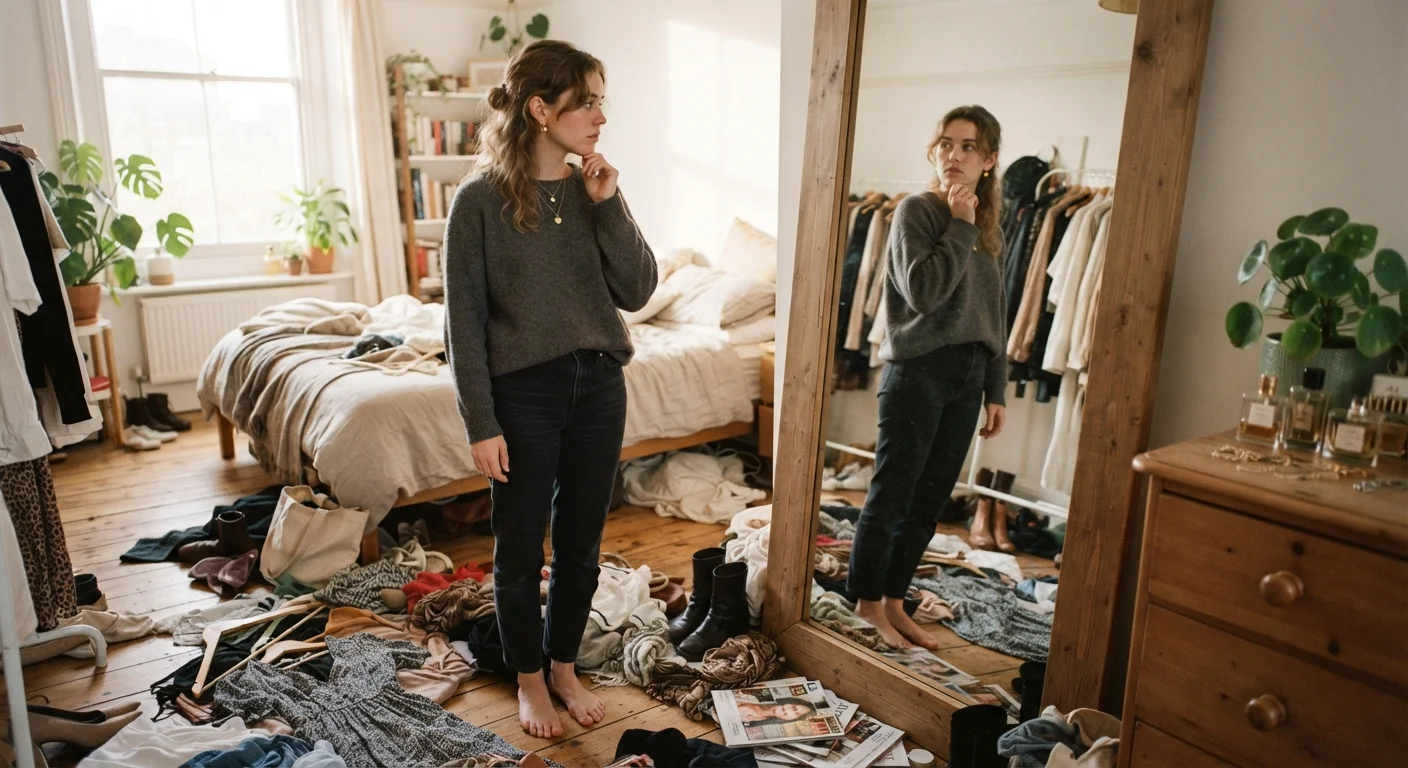
Photo credit: FindersGroove.com | Discover Important Information
In this article
Drawing inspiration from others is healthy — but losing yourself in it isn't. Here are the patterns that signal your style has drifted away from you.
Key Takeaways
- Copying someone else's style too closely often results in a wardrobe that doesn't fit your real life.
- Style inspiration becomes a problem when it replaces self-expression rather than sparking it.
- Recognizing these patterns is the first step toward building a look that's genuinely yours.
- Your budget, body, lifestyle, and taste are unique - your wardrobe should reflect that.
Why Inspiration Can Quietly Become Imitation
There's nothing wrong with looking to others for style ideas. Scrolling through a creator's feed, admiring a friend's outfit, or bookmarking a look you love - that's how most of us learn the visual language of fashion. The trouble starts when inspiration shifts from a starting point to a destination.
When you begin dressing to replicate rather than to express, something subtle but significant happens: your wardrobe stops serving you and starts serving a performance. You end up owning things that look great on someone else's life but feel oddly wrong in yours.
If you've ever stood in front of a full closet and felt like nothing was actually you, these mistakes might explain why. And if you're starting fresh, building a style identity from scratch is a great place to begin before the patterns below take hold.
Buying exact copies of outfits without checking if they suit your lifestyle.
Why it happens: When someone's look lands well visually, it's tempting to replicate it piece by piece rather than analyze why it works for them specifically.
Rebuilding your entire wardrobe around a single influencer's aesthetic.
Why it happens: Sustained exposure to one person's look creates a strong visual grammar in your mind - and it's easy to mistake familiarity for personal taste.
Prioritizing what looks good in photos over what actually feels good to wear.
Why it happens: Social media rewards visual impact, so it's easy to start optimizing your wardrobe for documentation rather than lived experience.
Chasing micro-trends because someone you follow made them look effortless.
Why it happens: Seeing a trend styled convincingly by someone you admire can make it feel universal - but their body shape, coloring, wardrobe context, and lifestyle all contributed to the result.
Dismissing what you genuinely love because it doesn't fit someone else's aesthetic.
Why it happens: Frequent comparison can make your own preferences feel invalid - especially if they don't match the polished, cohesive looks you see online.
How to Reclaim a Style That Actually Belongs to You
Breaking the imitation loop doesn't mean you have to throw everything out and start over. It means pausing before you buy, asking sharper questions about why you want something, and paying attention to what you actually reach for versus what just photographs well.
A practical starting point: audit your existing wardrobe before buying anything new. What you already own - and what you never actually wear - tells you a lot about where your preferences truly live.
Watch Out for Inspiration Overload
Saving hundreds of reference images without filtering them through your own preferences creates visual noise rather than clarity. If your inspiration board contains contradictory aesthetics - minimalist one moment, maximalist the next - it may be reflecting what you admire in others rather than what you actually want for yourself. Try narrowing your saved references to looks you'd genuinely wear today, not ones you wish represented you.
From there, think about consistency. Your style shouldn't evaporate when the occasion changes. Creating a coherent aesthetic across different contexts is one of the most underrated style skills you can build - and it's impossible to do when your look is borrowed from someone else's life blueprint.
Style that lasts is style that's maintained with intention. Dressing with intention means checking in with yourself regularly - not just following whoever has your attention this week. And if you find yourself drawn to trends out of habit rather than genuine excitement, it's worth reading the case for wearing what you love over what's trending for a grounding reset.
The goal isn't to become immune to outside influence - it's to stay the author of your own aesthetic, using the world around you as a library, not a script.

Author
Style & Beauty Editorial Team
Style & Beauty Editorial Team is the collective byline for our editorial team and contributor network. Articles published under this byline or an editorial pen name are researched, written, and reviewed according to our editorial standards for clarity, consistency, and independence before publication.
View all articles →