
The Case for Wearing What You Love Over What's Currently Trending
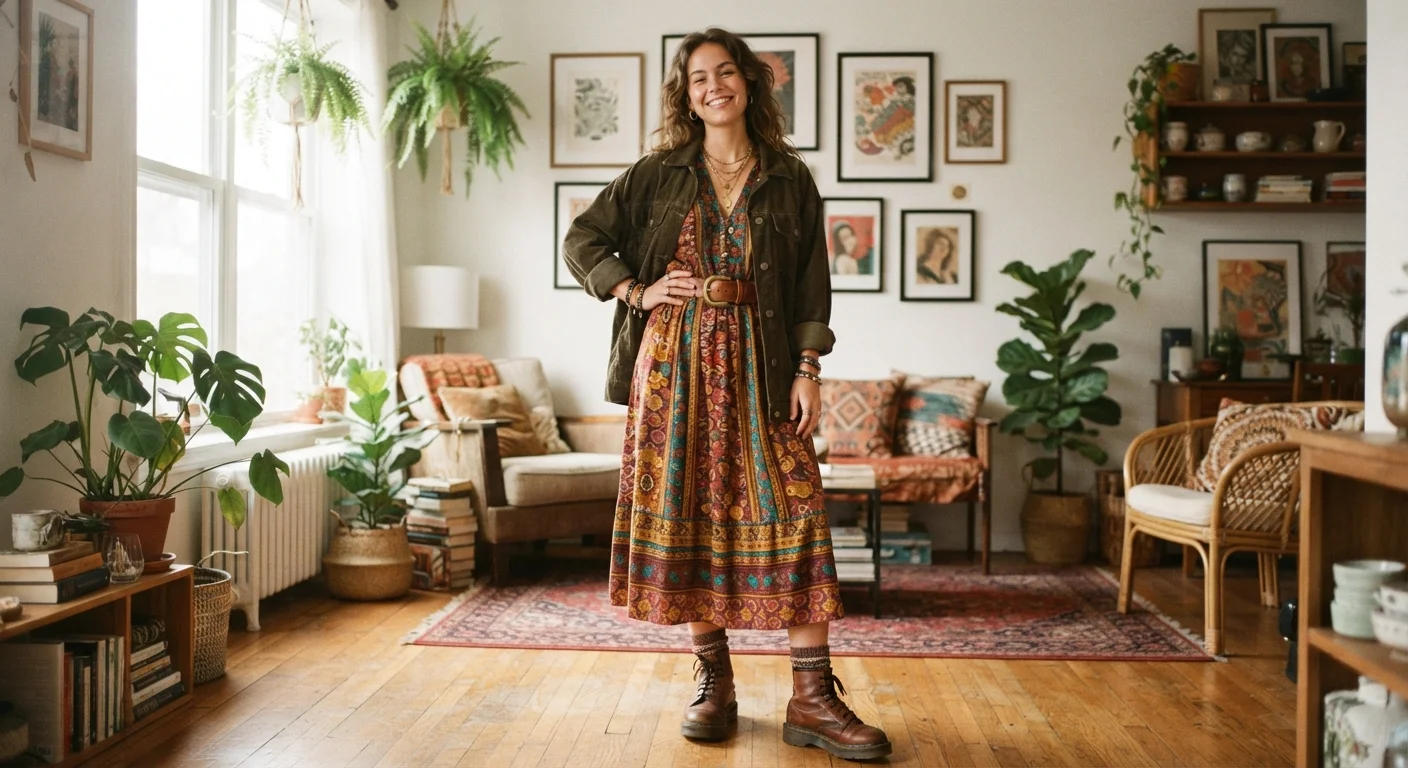
Photo credit: FindersGroove.com | Discover Important Information
In this article
Trend-chasing has real costs — financial, environmental, and personal. Here's a balanced look at what you gain and give up when you stop following the crowd.
Key Takeaways
- Dressing to your own taste rather than trending styles builds a more cohesive, lasting wardrobe.
- Trend-chasing carries real financial and environmental costs that add up quickly.
- Personal style requires honest self-reflection and some tolerance for standing out.
- Trends and personal taste aren't mutually exclusive - intentionality is the key distinction.
Wardrobe stays coherent and wearable longer
When pieces are chosen because they reflect your actual taste, they tend to work together naturally - reducing the "full closet, nothing to wear" paradox that plagues trend-driven wardrobes.
Significantly lower clothing spend over time
Trend cycles compress fast, especially in the social media era. Opting out of seasonal overhauls means buying fewer pieces and keeping them longer, which adds up to meaningful savings.
Stronger, more consistent sense of self
Clothes communicate identity, consciously or not. Dressing in ways that genuinely reflect your personality tends to reinforce confidence and reduce the low-grade anxiety that comes from feeling misrepresented by your own outfit.
Lower environmental footprint from less churn
The fashion industry's environmental impact is substantially tied to high-volume, short-lifespan garment cycles. Wearing pieces longer and buying less frequently reduces your individual contribution to textile waste.
More room to discover a genuine aesthetic
Without the noise of trend cycles dictating what's "in," you have the mental space to experiment at your own pace and develop a style that feels earned rather than borrowed.
Requires real self-knowledge to execute well
Knowing what you actually love - separate from what you've been told to love - takes honest reflection and some trial and error. It's a process, not a switch you flip.
Can feel isolating in trend-heavy social environments
If everyone around you is enthusiastically participating in the same trend moment, opting out can occasionally feel like being on the outside of a shared cultural experience.
Personal style can stagnate without intentional evolution
Without the external push of trends, it's easy to get stuck in a stylistic comfort zone that stops reflecting who you actually are today. Staying grounded in yourself still requires periodic reassessment.
Sourcing non-trend pieces can take more effort
When retail floors are stocked with whatever's trending, finding pieces aligned with a different aesthetic may require more research, secondhand shopping, or patience.
Initial wardrobe-building phase can feel uncertain
Transitioning away from trend-led shopping without a clear personal aesthetic yet can lead to an in-between period where your wardrobe feels directionless before it coheres.
Why This Question Even Matters
The average person is exposed to hundreds of style cues daily - from social media feeds and celebrity looks to street style roundups and algorithmically targeted ads. It's no wonder deciding what to actually wear can feel exhausting. The question of whether to follow trends or dress according to your own instincts isn't trivial: it shapes how you spend money, how you feel in your clothes, and in some ways, how you present your identity to the world.
The honest answer isn't a simple "ignore trends forever" decree. It's about understanding what you gain - and what you give up - when you prioritize personal taste over trend cycles. Knowing the difference between a staple and a trend is a useful starting point, because most wardrobes benefit from both, in the right proportions.
The Genuine Advantages of Dressing for Yourself
Stepping off the trend treadmill has benefits that extend well beyond aesthetics. Here's what's actually working in your favor when your closet reflects your own taste.
Wardrobe stays coherent and wearable longer
When pieces are chosen because they reflect your actual taste, they tend to work together naturally - reducing the "full closet, nothing to wear" paradox that plagues trend-driven wardrobes.
Significantly lower clothing spend over time
Trend cycles compress fast, especially in the social media era. Opting out of seasonal overhauls means buying fewer pieces and keeping them longer, which adds up to meaningful savings.
Stronger, more consistent sense of self
Clothes communicate identity, consciously or not. Dressing in ways that genuinely reflect your personality tends to reinforce confidence and reduce the low-grade anxiety that comes from feeling misrepresented by your own outfit.
Lower environmental footprint from less churn
The fashion industry's environmental impact is substantially tied to high-volume, short-lifespan garment cycles. Wearing pieces longer and buying less frequently reduces your individual contribution to textile waste.
More room to discover a genuine aesthetic
Without the noise of trend cycles dictating what's "in," you have the mental space to experiment at your own pace and develop a style that feels earned rather than borrowed.
~$1,800
Average annual US clothing spend per person
According to the Bureau of Labor Statistics Consumer Expenditure Survey, apparel and related services represent a significant recurring household cost - one that trends can inflate considerably.
~60%
Decline in garment wears before disposal
Research cited by the Ellen MacArthur Foundation suggests the average number of times a garment is worn before it is discarded has fallen significantly over the past 15 years, linked to faster trend cycles.
There's also a sustainability angle worth considering. Trend-driven purchasing tends to generate higher garment turnover - pieces bought for a season and discarded after. Dressing around a consistent personal aesthetic naturally encourages buying less, wearing more, and investing in quality over volume. For a deeper look at how purchasing habits shape your wardrobe's real cost, mindful purchasing strategies offer practical frameworks without prescribing a rigid style formula.
The Real Trade-offs You Should Know About
Committing to personal style over trends isn't without friction. Being honest about the challenges makes it easier to navigate them.
Requires real self-knowledge to execute well
Knowing what you actually love - separate from what you've been told to love - takes honest reflection and some trial and error. It's a process, not a switch you flip.
Can feel isolating in trend-heavy social environments
If everyone around you is enthusiastically participating in the same trend moment, opting out can occasionally feel like being on the outside of a shared cultural experience.
Personal style can stagnate without intentional evolution
Without the external push of trends, it's easy to get stuck in a stylistic comfort zone that stops reflecting who you actually are today. Staying grounded in yourself still requires periodic reassessment.
Sourcing non-trend pieces can take more effort
When retail floors are stocked with whatever's trending, finding pieces aligned with a different aesthetic may require more research, secondhand shopping, or patience.
Initial wardrobe-building phase can feel uncertain
Transitioning away from trend-led shopping without a clear personal aesthetic yet can lead to an in-between period where your wardrobe feels directionless before it coheres.
It's also worth acknowledging that trends aren't purely empty noise. They reflect cultural moments, collective mood shifts, and shared aesthetics that can be genuinely fun to participate in. The problem isn't trends themselves - it's uncritical trend adoption that disconnects your wardrobe from your actual life. As explored in style mistakes that come from copying others too closely, losing yourself in borrowed aesthetics is a pattern worth catching early.
Trends as Inspiration, Not Prescription
There's a meaningful difference between noticing a trend and letting it dictate your purchases. Using trends as a lens for understanding current cultural aesthetics - without feeling obligated to buy in - is a genuinely useful skill. You might spot a color palette or silhouette that resonates with your existing style and adopt just that element, on your own terms. That's trend literacy, not trend dependence.
How to Actually Build a Wardrobe You Love
Developing a personal style isn't a one-time project - it's an ongoing practice. Start by auditing what you already reach for instinctively: the pieces you wear without thinking, the colors that consistently show up, the silhouettes that feel most like you. These are your actual style data points, and they're more reliable than any trend report.
From there, the goal is building intentionally - adding pieces that work with what you have, rather than replacing your wardrobe seasonally. Dressing with intention over time requires a few consistent habits: resisting impulse purchases, revisiting your wardrobe regularly, and being honest about what genuinely fits your life versus what just looked compelling online.
If you're curious about how wardrobe size interacts with style clarity, the curated closet versus full wardrobe debate covers both sides with nuance. There's no single right answer, but understanding the trade-offs helps you make a choice that actually suits your habits and personality.

Author
Style & Beauty Editorial Team
Style & Beauty Editorial Team is the collective byline for our editorial team and contributor network. Articles published under this byline or an editorial pen name are researched, written, and reviewed according to our editorial standards for clarity, consistency, and independence before publication.
View all articles →