
The Difference Between a Staple and a Trend - and Why It Matters for Your Wardrobe
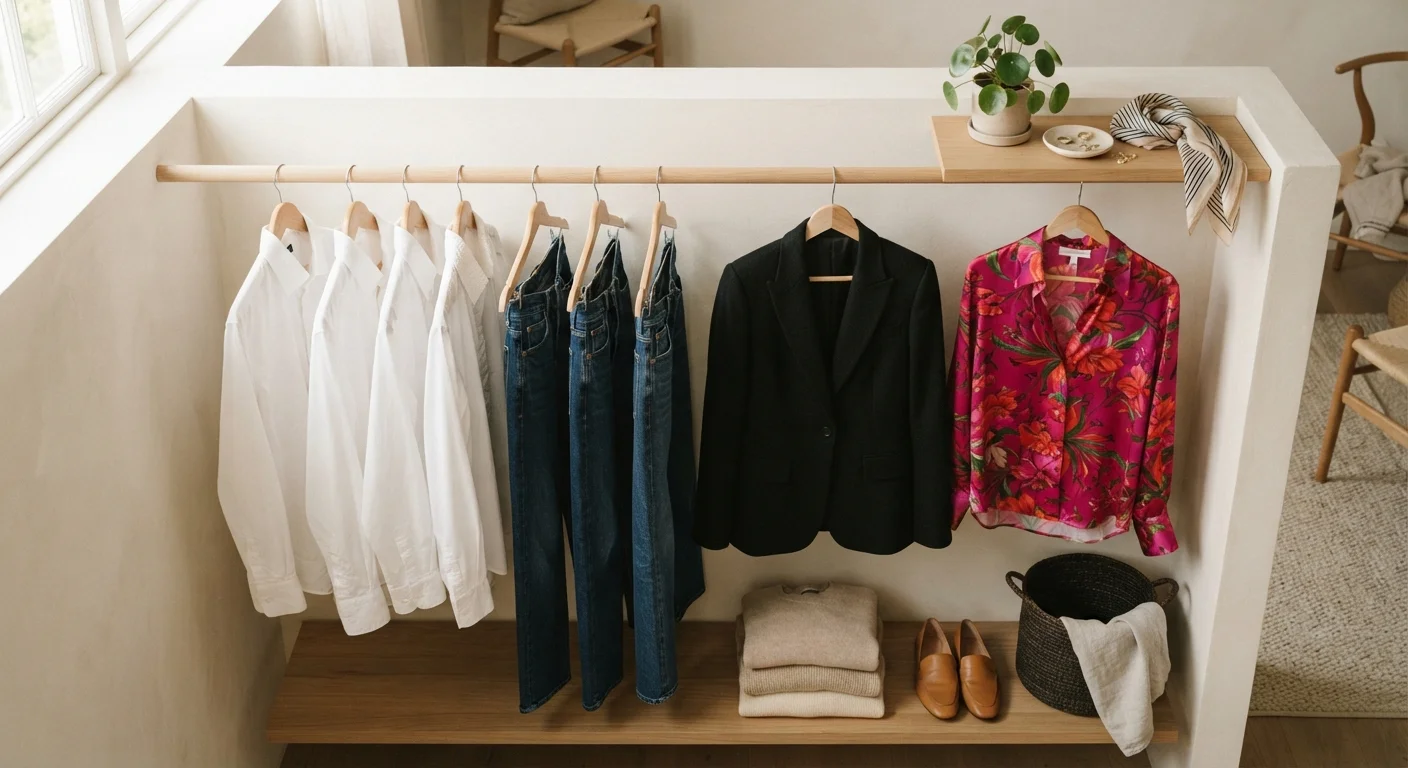
Photo credit: FindersGroove.com | Discover Important Information
In this article
Not every popular piece earns a place in your daily rotation. Learn to tell a lasting wardrobe staple from a trend with a short shelf life.
Key Takeaways
- Staples earn their place by working across multiple outfits, occasions, and seasons.
- Trends are not inherently bad - the problem is mistaking them for long-term investments.
- A useful test: ask how many different ways you'd actually wear something before buying.
- Your personal style history is the best guide to what counts as a staple for you.
- A balanced wardrobe blends reliable staples with a few intentional trend pieces.
Why the Distinction Actually Matters
Every season, a fresh wave of "must-have" pieces floods feeds, store windows, and group chats. And every season, many of those pieces end up barely worn at the back of a closet. The reason isn't poor taste - it's a blurred line between what's exciting right now and what genuinely serves your everyday life.
Understanding the staple-vs-trend distinction is one of the most practical moves you can make for your wardrobe. It isn't about rejecting newness or becoming a minimalist saint. It's about spending your time, money, and closet space more deliberately - so that getting dressed feels effortless rather than overwhelming. For more on building a purposeful wardrobe philosophy, see Capsule Wardrobe vs. Curated Closet.
~60%
Of clothing items rarely or never worn after purchase
Research from various consumer behavior studies consistently finds that a significant share of purchased garments go largely unworn, often due to impulse or trend-driven buying.
3-5x
More outfit combinations from versatile staples
Fashion educators and stylists generally estimate that well-chosen versatile pieces generate significantly more outfit combinations than specialized or trend-specific items.
What Makes Something a True Staple
A staple earns its status through repeated, multi-context use. It's not about being boring or basic - it's about versatility and personal relevance. The classic question: can this piece anchor at least three distinct outfits in my current wardrobe? If yes, it's working like a staple.
Crucially, staples are personal. A tailored blazer might be a non-negotiable for someone who works in a creative office, while someone who works outdoors might find it irrelevant. The garments that do the most work in your specific life are your staples - full stop. Versatility as a Wardrobe Strategy digs into which garment types genuinely earn that label.
Try the '3-Outfit Rule' Before Buying
Before adding any new piece to your cart, mentally style it with three outfits using things you already own. If you can't get to three without effort, it's likely a trend buy rather than a staple. This quick mental check sidesteps a lot of closet regret without requiring any strict rules.
What Defines a Trend - and How to Spend on One Wisely
A trend is a style moment: it rises fast, generates real cultural energy, and then fades or evolves into something new. That cycle isn't a flaw - it's how fashion keeps moving. The issue comes when trend pieces get purchased with staple budgets.
A sensible approach: allocate a smaller, guilt-free portion of your clothing budget to trend pieces, and gravitate toward lower price points for those items. That way, if the piece stops feeling exciting in six months, you haven't overcommitted. Think of it like the difference between renting and buying - trends are often worth experiencing, just not always worth a long-term investment.
If the anxiety of trend-chasing sounds familiar, The Case for Wearing What You Love Over What's Trending is worth a read.
Building a Wardrobe That Balances Both
The goal isn't a closet stripped of personality or one drowning in impulse buys - it's a wardrobe with a solid foundation and room to play. A useful mental model: think of staples as your wardrobe's structure and trends as the furniture you swap out to refresh the space.
Start by auditing what you already reach for most. Those are your de facto staples - honor them by keeping them in good condition and building around them. Then let trends fill in where you genuinely want to experiment. Over time, this approach creates a wardrobe that feels both grounding and exciting, without the guilt of unworn purchases piling up.
For the long game, Dressing with Intention offers practical habits that keep your style evolving without losing its core.
Frequently Asked Questions

Author
Style & Beauty Editorial Team
Style & Beauty Editorial Team is the collective byline for our editorial team and contributor network. Articles published under this byline or an editorial pen name are researched, written, and reviewed according to our editorial standards for clarity, consistency, and independence before publication.
View all articles →