
Capsule Wardrobe vs. Curated Closet: Two Paths to Intentional Dressing
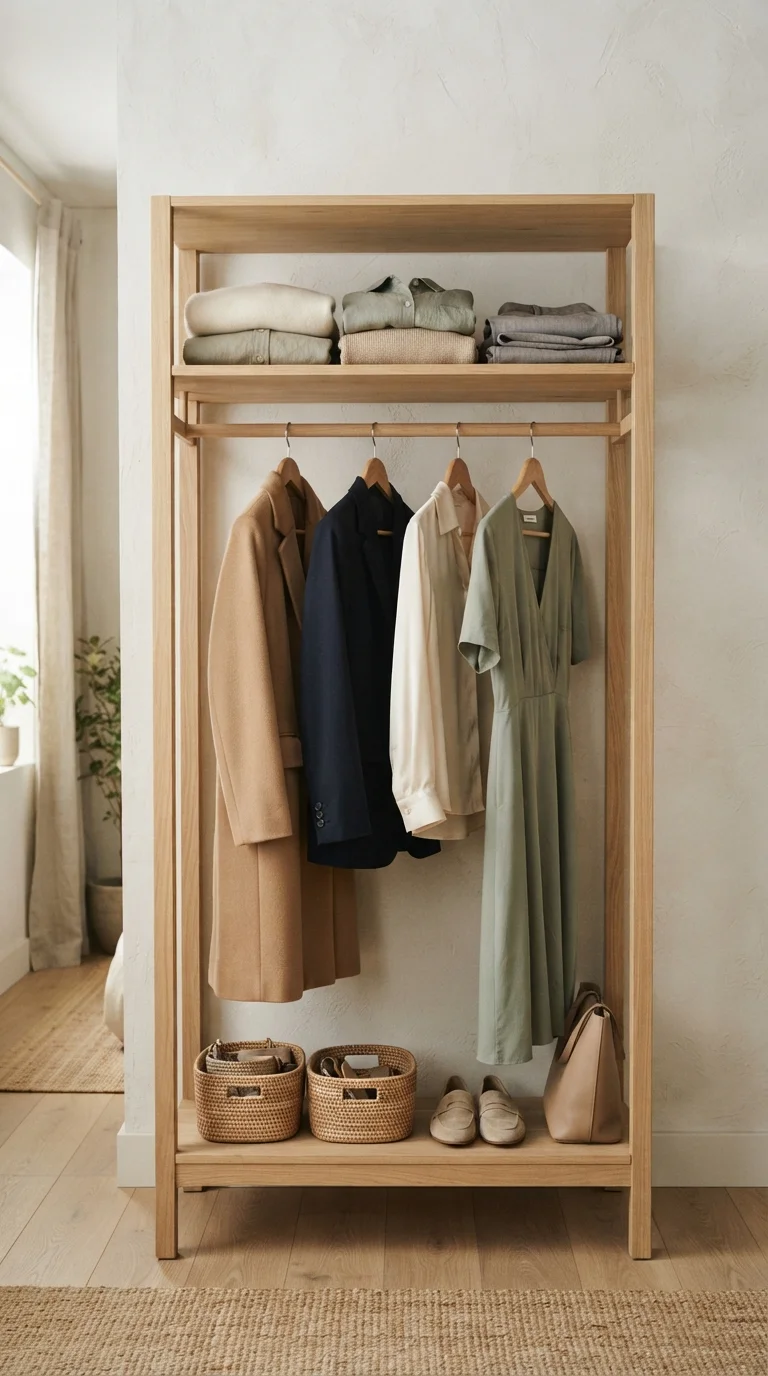
Photo credit: FindersGroove.com | Discover Important Information
In this article
Both approaches promise a more purposeful wardrobe, but they work very differently. Here's how to decide which philosophy suits your lifestyle.
Key Takeaways
- A capsule wardrobe prioritises strict limits and maximum mix-and-match versatility across a small item count.
- A curated closet has no fixed size rule - it's defined by intention, not minimalism.
- Neither approach requires starting from scratch; both work best when built from an honest wardrobe audit.
- Your lifestyle, social calendar, and relationship with clothing determine which path fits you better.
- Both philosophies reject impulse buying and trend-chasing in favour of considered, lasting purchases.
What Each Approach Actually Means
Both terms get thrown around in style circles, but they describe genuinely different philosophies. Understanding what each one is - and isn't - is the starting point for choosing the right path.
A capsule wardrobe is a deliberately small, tightly edited collection - typically 25-50 pieces - in which nearly every item coordinates with several others. The idea, popularised by fashion designer Susie Faux in the 1970s, centres on versatility: buy less, but make every combination count. Neutral tones, classic silhouettes, and enduring cuts are its hallmarks. For a deeper look at how the concept holds up in practice, see what a capsule wardrobe actually means and whether it works.
A curated closet, by contrast, has no fixed count. It's defined not by size but by selectivity: every piece earns its place through intentional choice rather than impulse. A curated closet might hold 80 items or 120 - what matters is that each one reflects genuine personal taste, serves a real purpose, and was chosen with consideration rather than convenience.
The shared goal is a wardrobe free from clutter and regret. The path to that goal, however, looks quite different depending on which lens you adopt.
How They Compare: A Side-by-Side Look
The differences between these two approaches show up clearly when you examine the practical mechanics of each. From how many items you own to how much creative latitude you have, the trade-offs are real - and worth understanding before committing to either direction.
| Criterion | Capsule Wardrobe | Curated Closet |
|---|---|---|
| Item count | Strictly limited (often 25-50 pieces) | No fixed limit; defined by intention |
| Colour palette | Typically neutral, tightly coordinated | Reflects personal taste - any palette |
| Versatility focus | Every piece must mix-and-match | Pieces serve their purpose; some may be standalone |
| Room for expression | Limited by design | High - personality drives selection |
| Maintenance effort | Low - rules provide structure | Moderate - requires ongoing discernment |
| Best for lifestyle type | Consistent, low-variation daily needs | Multi-context, varied social calendar |
| Shopping frequency | Infrequent, targeted gap-filling | Selective but less rigidly timed |
The capsule model is essentially a constraint-based system: the rules themselves do much of the styling work for you. The curated closet is a values-based system: you set the criteria and apply them consistently over time. Neither is inherently superior - they simply reward different types of dressers.
For readers curious about how colour choices intersect with both approaches, neutral wardrobe vs. colour-driven wardrobe explores that trade-off in more detail.
Finding Your Starting Point
Before choosing a philosophy, it helps to understand what's already in your wardrobe. Most people discover - when they actually look - that their existing closet contains strong signals about their real aesthetic preferences, not just their aspiration or shopping habits. That's exactly the work outlined in auditing your wardrobe to find your real aesthetic.
~30%
Of owned clothing worn regularly
Research cited in sustainability discussions consistently suggests most people regularly wear only around 30% of what they own, regardless of wardrobe size.
66%
Of shoppers reporting post-purchase regret
A 2023 consumer behaviour survey by Slickdeals found roughly two-thirds of Americans regularly experience buyer's remorse, with clothing among the most cited categories.
Once you've done that audit, a few honest questions sharpen the decision:
- How varied is your daily life? A capsule thrives in consistent contexts; a curated closet handles range more gracefully.
- Is clothing a creative outlet for you, or a functional necessity? Expressiveness is harder to contain within capsule limits.
- How do you shop? If shopping feels overwhelming, capsule rules provide useful guardrails. If you enjoy deliberate discovery, curation suits you better.
For context on how lifestyle and identity shape wardrobe choices beyond just minimalism, what owning less actually costs you offers a grounded, honest look at what each approach truly demands.
Making Either Approach Stick Over Time
Intentional dressing isn't a one-time edit - it's an ongoing practice. Whether you go capsule or curated, the challenge is staying connected to your choices as your life, tastes, and needs shift. Habits that keep your style grounded over time is a useful companion once you've committed to either path.
A few principles apply to both approaches equally:
- Buy with a specific gap in mind, not a vague feeling that you need something new.
- Revisit your wardrobe seasonally - not to purge aggressively, but to notice what's working and what's stagnant.
- Resist trend pressure as the primary driver of new additions. Trends can inform; they shouldn't dictate.
You might also find that the two approaches aren't mutually exclusive. Some people maintain a capsule core - the reliable everyday staples - surrounded by a curated outer layer of statement or occasion pieces. That hybrid gives you the simplicity of a capsule where it matters most, plus the expressive freedom a curated mindset allows. Whatever shape your wardrobe takes, the goal is the same: clothing that genuinely reflects who you are, not just who you briefly wanted to be at the checkout.

Author
Style & Beauty Editorial Team
Style & Beauty Editorial Team is the collective byline for our editorial team and contributor network. Articles published under this byline or an editorial pen name are researched, written, and reviewed according to our editorial standards for clarity, consistency, and independence before publication.
View all articles →