
The Capsule Wardrobe: What It Actually Means and Whether It Works
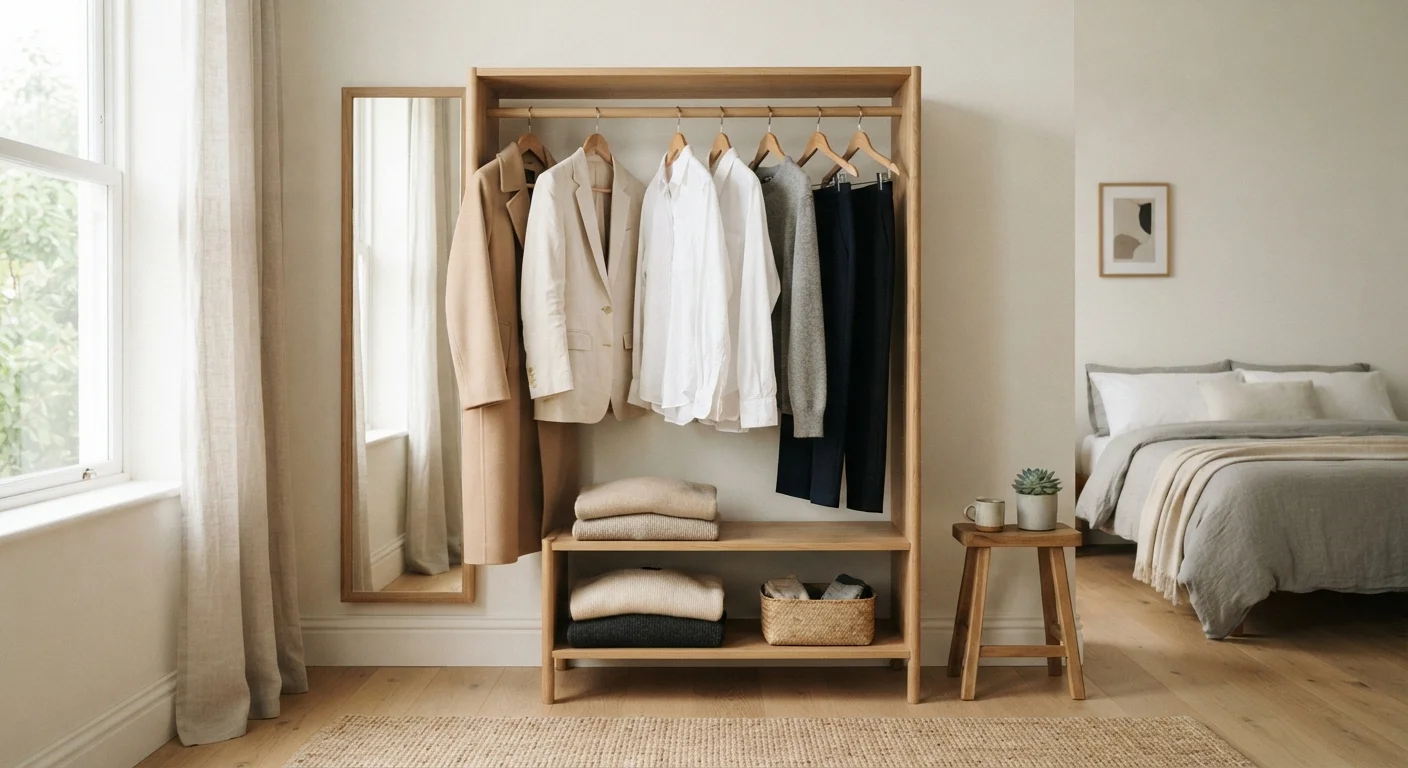
Photo credit: FindersGroove.com | Discover Important Information
In this article
Capsule wardrobes promise effortless style with fewer clothes. Here's an honest look at the concept, its limits, and who it genuinely suits.
Key Takeaways
- A capsule wardrobe is a small, interchangeable clothing collection - not a fixed number of pieces.
- The concept works best when your pieces share a coherent colour palette and similar aesthetic.
- It reduces decision fatigue but requires upfront intentionality about your actual lifestyle.
- Capsule wardrobes aren't one-size-fits-all - they can be adapted to any budget or style.
- The goal is outfits that work effortlessly, not minimalism for its own sake.
Where the Concept Comes From
The capsule wardrobe idea has been around for decades, but it's had a major revival as people look for simpler, more intentional approaches to getting dressed. At its core, it's a reaction to wardrobe overwhelm - the frustrating experience of staring at a closet packed with clothes and feeling like you have nothing to wear. If that sounds familiar, you're not alone: it's one of the most common wardrobe complaints, and it's rooted in how most people shop rather than how much they own. See our guide to wardrobe clutter habits for a closer look at what actually causes that problem.
The capsule approach flips the script: instead of adding more, you start by auditing what you have, identifying gaps, and building a collection where pieces earn their place by being genuinely wearable across multiple contexts.
What Makes a Wardrobe a 'Capsule'
A few defining features separate a capsule wardrobe from simply owning a small closet:
- High interchangeability: Most items mix and match with most other items, multiplying outfit possibilities without multiplying pieces.
- Colour cohesion: A shared or complementary palette is key. When neutrals anchor your collection and accent colours are deliberate, everything plays nicely together. Our guide to building a wardrobe colour palette walks through how to find yours.
- Context coverage: A functional capsule reflects your real life - your actual job, hobbies, and social occasions - not an idealised version of it.
- Intentional addition: New pieces are only added when they fill a genuine gap or meaningfully expand your outfit combinations.
~20%
Clothes worn regularly from the average wardrobe
Wardrobe audits and consumer behaviour research consistently find that most people regularly wear only a small fraction of what they own.
30-50
Typical capsule wardrobe item range
Most capsule wardrobe frameworks suggest this range for a functional, season-appropriate collection including shoes and outerwear.
Notice what's not on this list: a specific item count, a particular aesthetic, or a requirement to spend a lot. The capsule is a system, not a style mandate.
Does It Actually Work?
For many people, yes - but with caveats. The capsule wardrobe delivers real benefits for anyone who struggles with decision fatigue, tends to over-shop impulsively, or wants a more sustainable approach to clothing consumption. When your pieces genuinely work together, getting dressed becomes notably faster and less stressful.
Start With What You Already Love
Before buying a single new item, identify the five or six pieces you already reach for most. These are your capsule anchors. Build outward from them rather than starting from a blank-slate shopping list. This approach saves money and reveals your actual style preferences - not your aspirational ones.
That said, the concept has real limits. It suits people with relatively consistent daily routines better than it suits those whose wardrobes need to flex dramatically - think someone who's a corporate lawyer by day and a weekend hiker. It also requires honest self-knowledge: building a capsule around who you wish you were rather than who you actually are is one of the most common reasons the approach fails. If your capsule is full of polished blazers but you work remotely in hoodies, those blazers are just aspirational clutter.
There's also a meaningful distinction between a capsule wardrobe and a fully curated closet. Exploring both approaches side by side can help clarify which philosophy is the better fit for your lifestyle.
Getting Started Without Overthinking It
You don't need to dramatically purge your closet on day one. A more practical starting point:
- Audit what you already wear. For a few weeks, notice which pieces you actually reach for. Those are the core of your capsule.
- Identify genuine gaps. If you're always cobbling together outfits because you're missing a key layer or a versatile bottom, that's where intentional shopping makes sense.
- Prioritise garment versatility. Some pieces genuinely earn their space across multiple contexts; others only seem versatile until you try. Our piece on which garment types actually earn their space is worth a read before you shop.
- Let go gradually. Decluttering works better as an ongoing habit than a single dramatic event.
For deeper thinking on what intentional dressing costs - and gains - in terms of time, money, and identity, our explainer on owning less vs. owning more offers a grounded perspective. And for broader personal style tips, our hub has you covered.
Frequently Asked Questions

Author
Style & Beauty Editorial Team
Style & Beauty Editorial Team is the collective byline for our editorial team and contributor network. Articles published under this byline or an editorial pen name are researched, written, and reviewed according to our editorial standards for clarity, consistency, and independence before publication.
View all articles →