
Annual Vet Visits: What Actually Happens and Why They Matter
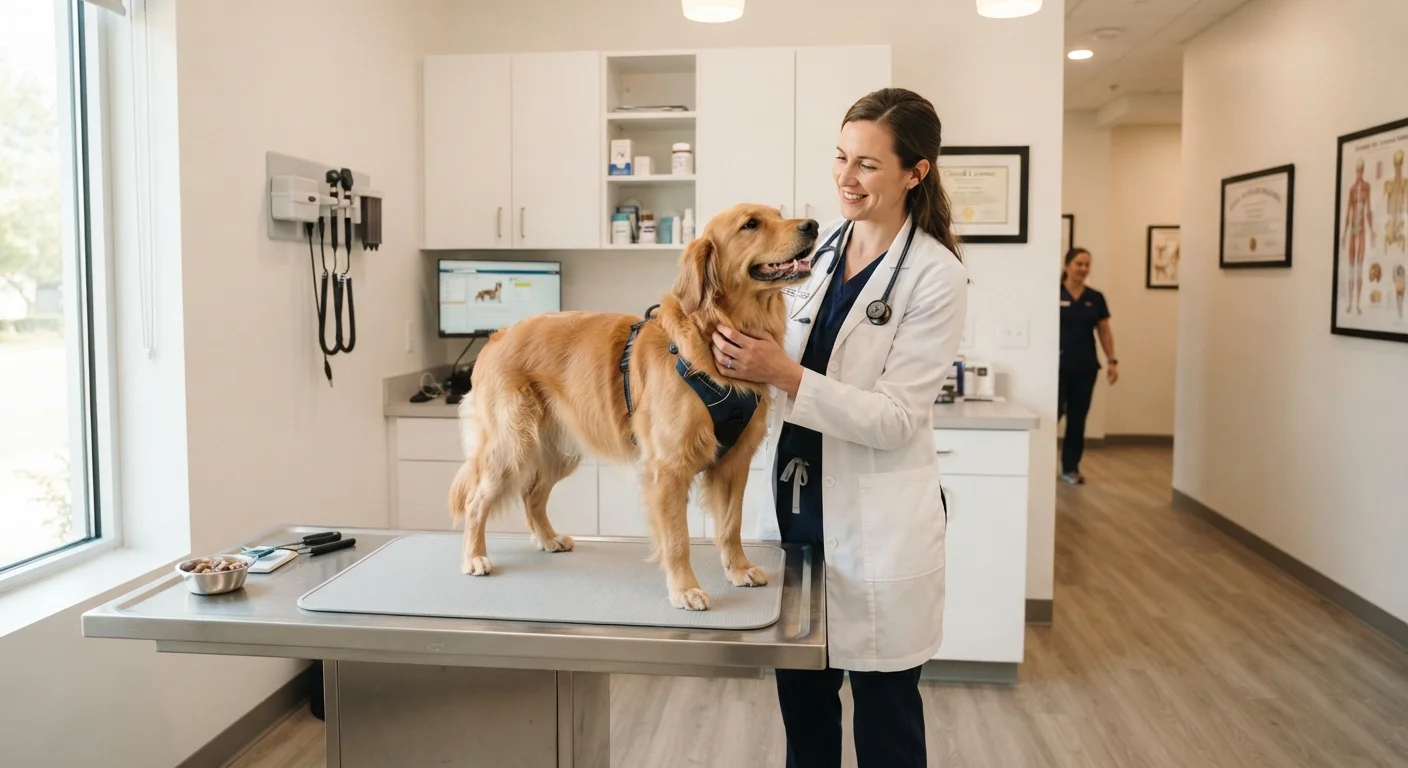
Photo credit: FindersGroove.com | Discover Important Information
In this article
Demystify the routine wellness exam. Here's what vets check during annual visits and why skipping them can quietly affect your pet's health.
Key Takeaways
- Annual vet visits catch hidden health problems before they become serious or costly.
- A standard wellness exam covers far more than vaccinations - it's a full physical assessment.
- Senior pets often need checkups every six months rather than once a year.
- Vets use exam baselines to track changes in your pet's health over time.
- Skipping annual visits can delay diagnosis of conditions like dental disease, obesity, and organ dysfunction.
More Than a Shot Appointment
Many pet owners think of the annual vet visit as little more than a vaccination top-up. In reality, it's a comprehensive health assessment that can surface problems you'd never spot at home. Understanding what actually happens during a wellness exam helps you get more from each visit - and helps your vet do the same.
The exam typically begins before the vet even enters the room. A veterinary technician records your pet's weight, temperature, heart rate, and respiratory rate. These baseline vitals are compared against prior records to spot trends. A five-pound weight gain in a medium-sized dog, for example, can carry meaningful health implications that aren't obvious just by looking.
~70%
Adult cats with dental disease by age 3
According to the American Veterinary Medical Association, dental disease is among the most commonly diagnosed conditions in adult pets, often going undetected without professional examination.
2x/year
Recommended vet visit frequency for senior pets
Most veterinary guidelines suggest pets over seven years old be examined every six months, as age-related conditions can progress rapidly without visible symptoms.
1 in 3
Pets diagnosed with cancer in their lifetime
The American Veterinary Medical Association estimates that cancer affects roughly one in three pets, reinforcing why routine screening and early detection through wellness exams matter.
What the Physical Exam Actually Covers
Once the vet begins the hands-on assessment, they work systematically from nose to tail. Here's what that typically includes:
- Eyes and ears: Checked for redness, discharge, cloudiness, infection, or early signs of conditions like glaucoma or ear mites.
- Mouth and teeth: Dental disease affects a significant portion of adult pets. Vets look for tartar buildup, gum inflammation, loose teeth, or oral masses.
- Heart and lungs: Auscultation (listening with a stethoscope) can detect murmurs, arrhythmias, or abnormal lung sounds that warrant further investigation.
- Abdomen: Palpation helps identify enlarged organs, unusual masses, or pain responses that could indicate liver, kidney, or gastrointestinal issues.
- Skin and coat: Dryness, hair loss, lumps, or parasites are noted. Skin condition often reflects nutritional status and systemic health.
- Lymph nodes and musculoskeletal system: Swollen nodes or joint stiffness can be early indicators of immune or orthopedic problems.
For a broader picture of what preventive care looks like throughout your pet's first year, see our first-year care checklist.
Prepare a Health Summary Before Your Visit
Write down any behavioral or physical changes you've noticed since the last visit - changes in appetite, water intake, energy level, or bathroom habits. Even subtle shifts are worth mentioning. Vets rely on owner observations to contextualize physical findings, and a brief note can make a big difference in what gets flagged.
Diagnostics: When the Exam Goes Deeper
Depending on your pet's age, breed, and history, the vet may recommend screening beyond the physical exam. Common additions include:
- Bloodwork (CBC and chemistry panel): Reveals organ function, blood cell counts, and metabolic status. Often recommended annually for pets over seven years old.
- Urinalysis: Evaluates kidney health and can detect early signs of diabetes or infection.
- Fecal testing: Identifies intestinal parasites that aren't always visible. Our guide to parasite prevention across seasons covers what to watch for year-round.
- Heartworm testing: Recommended annually in most US regions for dogs, and in some cases cats.
Vaccine decisions also happen here. Not every pet needs every vaccine every year - your vet tailors recommendations to your pet's lifestyle and risk profile. See our vaccine schedule explainer for a breakdown of core versus non-core shots.
Senior Pets Need More Frequent Checkups
If your dog or cat is seven years or older, once-a-year visits may not be sufficient. Many veterinarians recommend biannual exams for senior pets, since conditions like kidney disease, hyperthyroidism, and arthritis can progress significantly within six months. Ask your vet what schedule is right for your pet's age and breed.
Why Skipping Annual Visits Has Real Costs
The annual wellness exam isn't just about catching acute illness - it's about maintaining a running health record across your pet's lifetime. Vets rely on documented baselines to recognize meaningful change. A heart murmur detected at grade one and monitored over three years looks very different from one discovered at grade four with no prior history.
Conditions like chronic kidney disease, hyperthyroidism in cats, and early-stage cancer often have a much better prognosis when found early. Dental disease - one of the most common findings in adult pets - causes pain and can affect organ health if left untreated, yet most pets show no obvious discomfort until the disease is advanced.
Pair your annual visit with consistent at-home observation. Our monthly pet wellness checklist gives you a practical framework for tracking changes between appointments.
This article is for general informational purposes only and does not constitute veterinary advice. Always consult a licensed veterinarian for guidance specific to your pet's health needs.
Frequently Asked Questions

Author
Pets & Animal Life Editorial Team
Pets & Animal Life Editorial Team is the collective byline for our editorial team and contributor network. Articles published under this byline or an editorial pen name are researched, written, and reviewed according to our editorial standards for clarity, consistency, and independence before publication.
View all articles →