
Vaccine Schedules Explained: Core vs. Non-Core Shots for Dogs and Cats
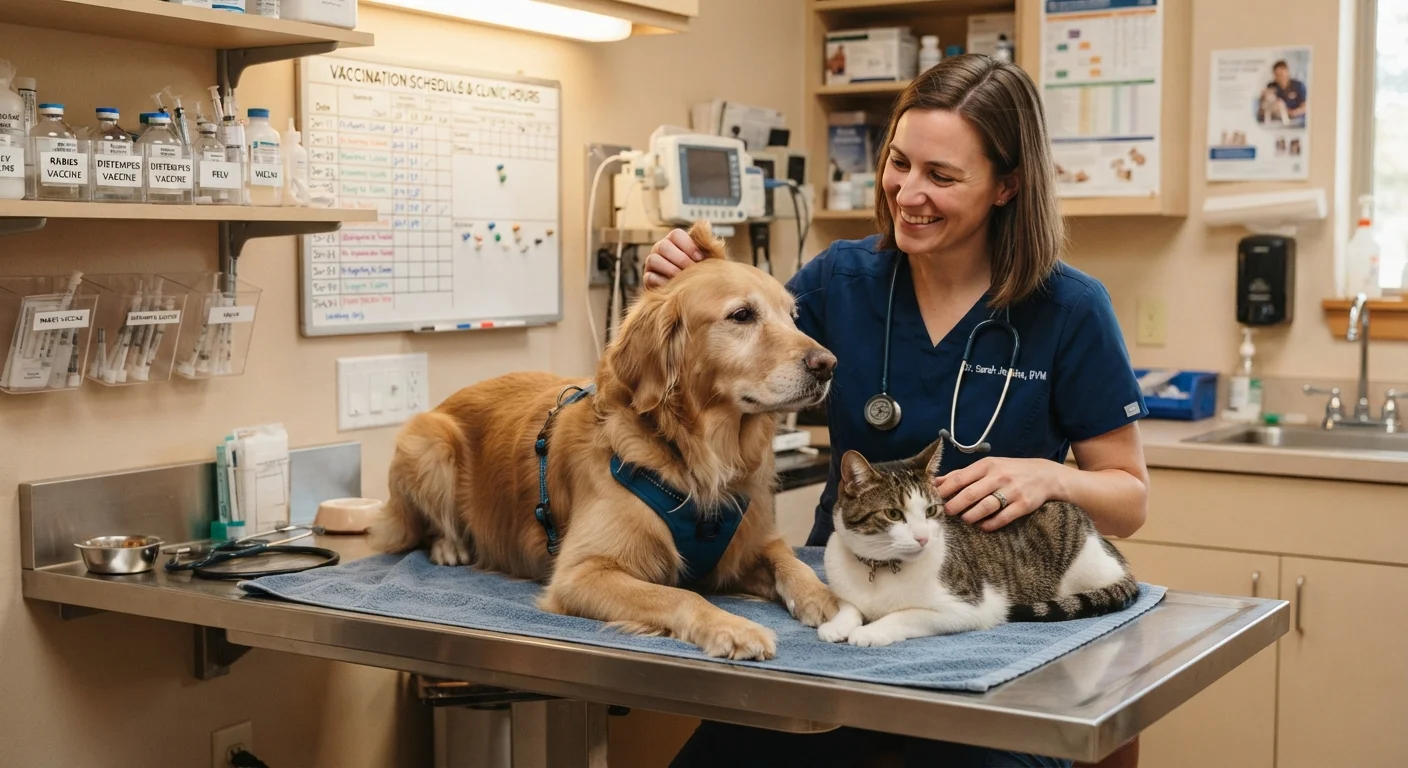
Photo credit: FindersGroove.com | Discover Important Information
In this article
Not every vaccine is required for every pet. Understand which are considered essential, which are situational, and how schedules differ by species.
Key Takeaways
- Core vaccines are universally recommended; non-core vaccines depend on your pet's individual risk factors.
- Dogs and cats have separate vaccine schedules - the same shot is not given to both species.
- Puppy and kitten series require multiple doses spaced weeks apart to build full immunity.
- Rabies vaccination is legally required in most U.S. states for both dogs and cats.
- Lifestyle factors like boarding, dog parks, and outdoor access influence which non-core vaccines your vet may suggest.
- Annual wellness exams are the right time to review and update your pet's vaccination status.
Why Vaccine Schedules Aren't One-Size-Fits-All
When you bring a puppy or kitten home, vaccination is one of the first topics your veterinarian will raise. But the sheer number of available vaccines can feel overwhelming. The core vs. non-core framework cuts through that complexity by sorting vaccines into two groups: those every pet needs, and those only some pets need.
This distinction matters because over-vaccinating carries unnecessary cost and minor risk, while under-vaccinating leaves animals exposed to preventable disease. A thoughtful schedule - built with your vet's input - threads that needle effectively. See our first-year care checklist for a broader look at what new pet owners should plan for in year one.
~90%
Of U.S. states with rabies vaccine mandates for pets
Rabies vaccination is legally required for dogs in all 50 states and for cats in the majority, making it the most universally enforced pet vaccine in the country.
3-4
Doses in a typical puppy or kitten vaccine series
Most veterinary guidelines recommend spacing core vaccine doses every two to four weeks during the initial series to ensure effective immune protection as maternal antibodies wane.
Core Vaccines: What Every Dog and Cat Needs
For dogs, core vaccines include:
- Distemper, Adenovirus (hepatitis), and Parvovirus - typically given as a combined DAP or DHPP shot
- Rabies - legally required in nearly every U.S. state
For cats, core vaccines include:
- Feline Herpesvirus, Calicivirus, and Panleukopenia - typically combined in the FVRCP shot
- Rabies - required by law in most states regardless of indoor/outdoor status
Puppies and kittens receive these in a series spaced two to four weeks apart - usually starting around six to eight weeks of age - because maternal antibodies can interfere with early immune responses. After the initial series, adult boosters are given every one to three years depending on the specific vaccine and your veterinarian's protocol.
Keep a Vaccine Log From Day One
Ask your vet for a printed vaccine record at every visit and store it somewhere accessible at home. Many clinics also offer digital records through a client portal. Having this history on hand speeds up boarding check-ins, emergency vet visits, and any future titer testing.
Non-Core Vaccines: Matching Risk to Recommendation
Non-core vaccines are not optional by default - they're conditionally recommended. If your pet's lifestyle creates meaningful exposure risk, your veterinarian will likely suggest them. Common examples include:
For Dogs
- Bordetella bronchiseptica (kennel cough) - recommended for dogs that board, visit groomers, or frequent dog parks
- Canine Influenza (H3N2 and H3N8) - relevant in areas with documented outbreak activity
- Leptospira - advised for dogs with access to wildlife, standing water, or rural environments
- Lyme Disease - important in tick-endemic regions such as the Northeast and Upper Midwest
For Cats
- Feline Leukemia Virus (FeLV) - recommended for outdoor cats or those exposed to cats of unknown status; considered core for kittens by some guidelines
- Chlamydophila felis and Bordetella - occasionally recommended for multi-cat households or shelter environments
Geography, housing situation, and travel habits all feed into this assessment. Parasite prevention follows similar logic - risk drives the recommendation.
Keeping Your Pet's Vaccine Record Current
Vaccine records are more than administrative paperwork. Boarding facilities, groomers, and dog parks commonly require proof of up-to-date vaccination - particularly Bordetella and rabies. Your veterinarian will provide a written certificate after each visit.
The annual wellness exam is the natural checkpoint for reviewing your pet's vaccine status. Vets assess changes in lifestyle, travel history, and local disease activity each year, which can shift non-core recommendations. Keep a copy of records at home and consider photographing them for easy digital access.
If you're unsure whether your adopted pet's vaccination history is complete, your vet can run titer tests - blood tests that measure existing antibody levels - to help determine what, if anything, needs to be repeated rather than assuming a full restart.
This article is for general informational purposes only and does not constitute veterinary medical advice. Always consult a licensed veterinarian for guidance specific to your pet's health, history, and individual needs.
Frequently Asked Questions

Author
Pets & Animal Life Editorial Team
Pets & Animal Life Editorial Team is the collective byline for our editorial team and contributor network. Articles published under this byline or an editorial pen name are researched, written, and reviewed according to our editorial standards for clarity, consistency, and independence before publication.
View all articles →