
Versatility as a Wardrobe Strategy: Which Garment Types Actually Earn Their Space
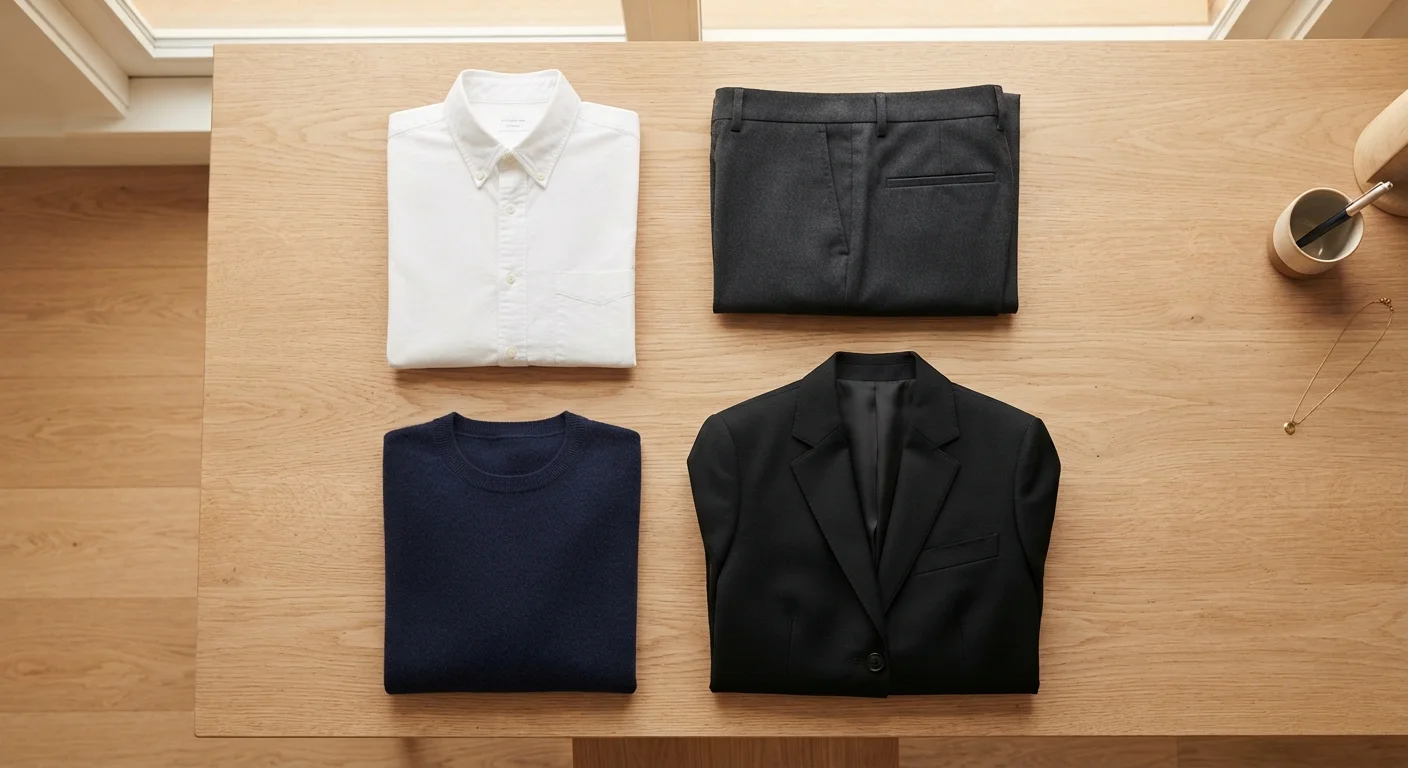
Photo credit: FindersGroove.com | Discover Important Information
Not every 'versatile' piece lives up to the label. A considered look at which garment types genuinely work across contexts — and which are more limited than they appear.
Key Takeaways
- Versatility is about context-crossing ability - how many distinct occasions a single piece can serve.
- Some garment types marketed as versatile have real limitations in practice; knowing the difference saves money.
- Fit, colour, and fabric weight are the three variables that most determine a piece's cross-context usefulness.
- Building around a few genuinely flexible garment types creates more outfits than owning many single-use pieces.
- The goal isn't a minimal wardrobe - it's a functional one that reflects your actual life.
What 'Versatile' Actually Has to Mean
The word versatile gets thrown around in fashion content almost as often as timeless - and is just as frequently misapplied. A truly versatile garment isn't simply one that can be worn more than once. It's a piece that crosses meaningfully distinct contexts: a work setting and a casual weekend, a formal event and a dinner out, an indoor environment and a layered outdoor one.
That's a higher bar than most garments meet. Some pieces that feel flexible in theory - joggers, graphic tees, occasion-specific dresses - reveal themselves to be surprisingly narrow in practice. Others that seem basic - a well-cut white shirt, a dark trouser - turn out to earn their space five or six ways over.
If you're building a wardrobe from scratch, understanding which garment types genuinely multi-task is one of the most useful frameworks you can have. Below, we've broken down the garment categories that consistently deliver - and flagged where the limits are.
The Tailored Trouser
A well-cut trouser in a mid-weight fabric - think wool-blend, ponte, or a structured cotton - is arguably the single most context-crossing bottom you can own. It reads professional in a work environment, polished at a dinner, and relaxed (when slightly cropped or cuffed) on a casual weekend. The key variable is fit at the waist and seat: a trouser that fits well without alteration instantly looks intentional in a way that slightly-off fit never does. Neutral colours extend range further, but a deep navy or olive still crosses more contexts than most people expect. Fit matters more than almost any other factor when evaluating whether a bottom will do real wardrobe work.
A well-fitting trouser crosses professional, social, and casual contexts with almost no styling effort.
The Unstructured Blazer
Unlike a stiff suit jacket, an unstructured blazer in a relaxed fabric - linen, cotton, or a soft suiting blend - functions as a layering piece across a genuinely wide range of dressing. Over a t-shirt and jeans it elevates without overdressing; over a blouse it reads office-appropriate; over a dress it bridges the gap between occasion and everyday. The silhouette matters: a slightly oversized, boxy cut tends to be more forgiving across body types and outfit combinations than a closely fitted one. A single blazer in camel, black, or oatmeal can reasonably claim to earn more outfit slots than almost any other single garment in a wardrobe. The limitation? It requires that the pieces underneath are in decent condition - a blazer amplifies rather than conceals.
An unstructured blazer over a t-shirt elevates without overdressing - that range is hard to match.
The Mid-Weight Knit
A fine- to mid-gauge knit sweater - crew neck, V-neck, or a subtle mock neck - occupies a layering tier that almost no other garment does as cleanly. It works under a blazer or coat, over a collared shirt, or alone as a top in mild weather. In natural fibres like merino or cotton blends, it also reads neat enough for professional settings that don't require formal dress. The weight of the knit determines its seasonal range: a lighter gauge extends into shoulder seasons, while a chunkier knit becomes colder-weather specific. Colour plays a strong role here - a rich burgundy or camel reads more polished than a faded grey, giving you more occasions without any additional effort.
A mid-weight knit layers under blazers, over shirts, and alone - covering three distinct outfit tiers.
The Straight-Leg or Slim Dark Jean
Denim is a case study in perceived versus actual versatility. A distressed, light-wash, or heavily branded jean tends to lock into casual-only territory, while a dark, clean-rinse jean in a straight or slim cut can move into smart-casual and even some relaxed professional contexts. The silhouette should be clean at the hem - raw or overly frayed hems shrink the range immediately. Dark denim pairs with tailored pieces in a way that washed denim rarely does, which is what gives it cross-context credibility. It's worth noting that denim's versatility is culturally and workplace-dependent; what reads smart-casual in a creative field may not translate to a more formal environment, so reading your own context matters.
Dark, clean-rinse denim in a straight or slim cut earns smart-casual credibility that lighter washes rarely achieve.
The Crisp White or Pale Shirt
The cotton or linen shirt is so often cited as a wardrobe essential that it risks feeling like a cliché - but the cliché exists because the range is genuinely there. Tucked in with tailored trousers, worn open over a fitted tee, buttoned to the collar under a knit, or tied at the waist with high-waisted pants: each is a distinct outfit tier. The limitations are real but manageable: white shows wear and staining quickly, so maintenance matters, and a shirt that's slightly too large or too small loses much of its sharpness. A structured poplin or a soft chambray each carries its own character, and having a sense of which suits your wardrobe before purchasing saves the frustration of a shirt that never quite works. See how to distinguish a genuine staple from trend-driven basics for a broader framework.
A well-maintained white shirt works tucked, open, layered, or tied - across more contexts than almost anything else.
The Midi or Wrap Dress (With Caveats)
A dress might seem like a single-outfit piece by definition, but the midi and wrap silhouettes are genuinely among the more flexible dress formats. A solid-colour or simple-pattern midi can shift between a workday, a dinner, and a casual afternoon depending on footwear and outerwear. The wrap format adapts to body changes over time, which adds practical longevity. The caveats: a heavily patterned or very occasion-specific dress (dramatic neckline, formal fabric) narrows range fast, and some midi lengths can feel occasion-locked without the right shoes. Treating a dress as a layering piece - under a blazer, under a knit vest, over a fitted long-sleeve - dramatically extends where it can go. The limit most people don't account for is climate: a midi dress without a thoughtful layering plan becomes seasonal-only in colder regions.
Layer a solid-colour midi under a blazer or over a long-sleeve to unlock contexts it can't reach alone.
Building Around What Actually Works
The wardrobe mistake most people make isn't buying the wrong individual items - it's misreading a piece's real range before committing. Knowing that a tailored trouser will cross five contexts while a matching co-ord set will cross one changes the calculation entirely, regardless of price point.
Test Versatility Before You Commit
Before purchasing any piece on the basis of versatility, try to mentally build three to four distinct outfits from your existing wardrobe that include it. If you can name the specific shoes, tops, or bottoms you'd pair it with across those outfits, it's earning its space. If the combinations blur together or rely on pieces you don't actually own, it's likely more limited than it appears. This exercise also surfaces gaps - items you keep wishing you had - which is useful information for future purchases.
Versatility also compounds. A blazer that works over a t-shirt, a blouse, and a knit - and pairs with both trousers and jeans - is doing exponential work compared to a single-use jacket. When you're evaluating whether a garment earns its space, think in combinations, not just standalone outfits. Our guide to getting more wear out of clothes you already own has practical combination strategies for pieces already in your rotation.
For a deeper look at the reasoning behind restrained wardrobe-building, the capsule wardrobe concept is worth understanding - even if you don't follow it strictly. And if you're weighing colour strategy as part of this process, the neutral vs. colour-driven wardrobe trade-offs are worth reading before defaulting to either extreme.
Ultimately, versatility as a strategy is about aligning your wardrobe with your actual life - not a curated version of it. The garments that earn their space are the ones you reach for without thinking, across the full range of your week.

Author
Style & Beauty Editorial Team
Style & Beauty Editorial Team is the collective byline for our editorial team and contributor network. Articles published under this byline or an editorial pen name are researched, written, and reviewed according to our editorial standards for clarity, consistency, and independence before publication.
View all articles →