
Getting More Wear Out of Clothes You Already Own
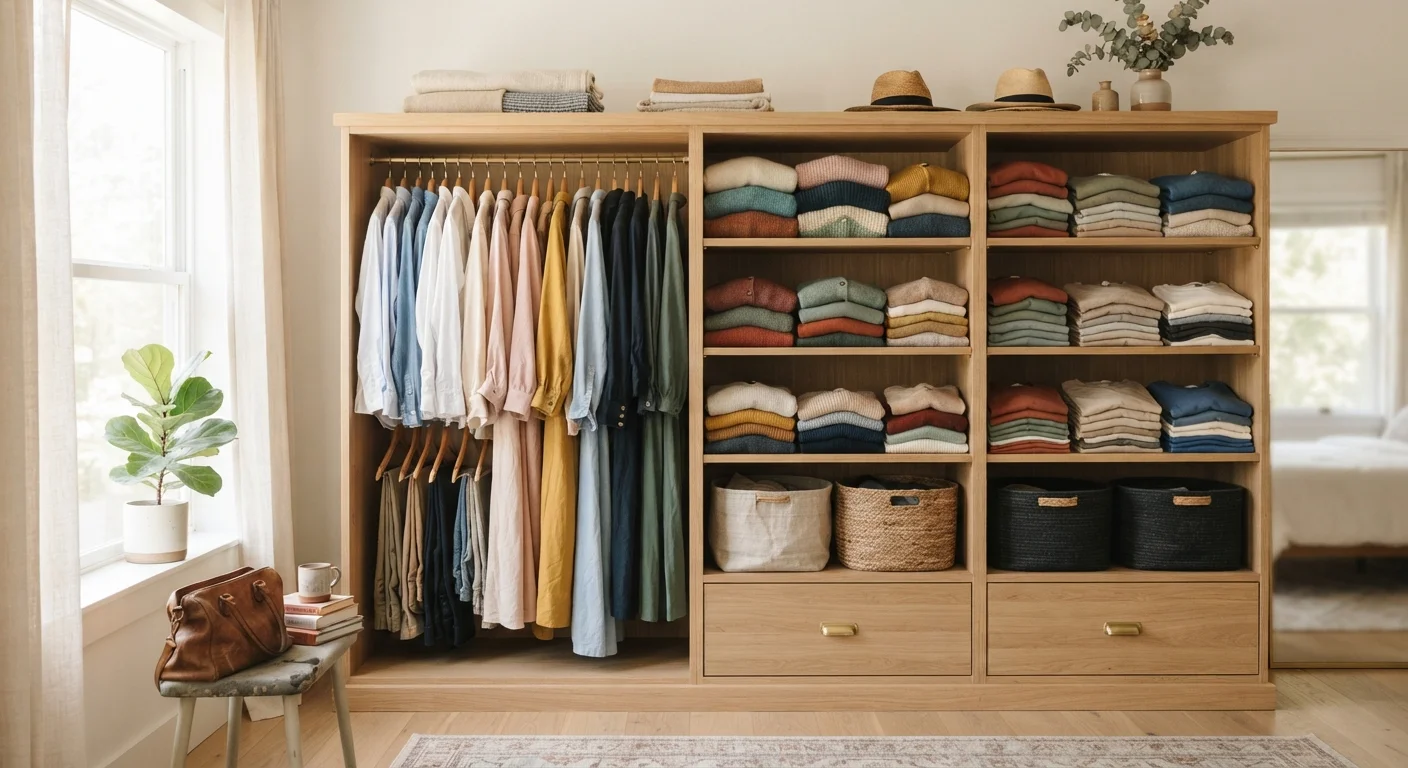
Photo credit: FindersGroove.com | Discover Important Information
In this article
The most sustainable wardrobe move is wearing what you already have. Practical strategies for rediscovering underused pieces and building new combinations.
Key Takeaways
- Most wardrobes contain underused pieces that can form entirely new outfit combinations.
- A quick closet audit reveals gaps in your styling logic, not necessarily gaps in your clothing.
- Remixing what you own is the most sustainable and budget-friendly wardrobe move available.
- Styling techniques like tucking, layering, and accessorizing dramatically expand outfit options.
- Tracking what you actually wear helps break the habit of reaching for the same five pieces.
Why You Probably Have More Than You Think
The average wardrobe is heavily front-loaded: research into clothing use consistently suggests that most people wear a small fraction of what they own on a regular basis. The pieces at the back of the closet aren't failures - they're usually just missing the right context or combination. The good news is that unlocking those combinations costs nothing and takes less time than a shopping trip.
This is also the most genuinely sustainable move available to anyone thinking about their wardrobe's environmental footprint. No amount of eco-labeled new clothing competes with simply wearing what already exists. (If you're evaluating broader sustainability claims, understanding greenwashing is worth a read.)
The steps below are structured to move from awareness to action - starting with a real audit, building toward new combinations, and finishing with habits that make the change stick.
What you will need
What You'll Need
No special equipment required - but a few practical tools make the process smoother and more effective.
Full-length mirror
Lets you evaluate complete outfits accurately rather than guessing how pieces work together.
Phone camera
Photograph successful combinations so you can recreate them quickly on busy mornings.
Steamer or iron
Refreshes overlooked pieces that may have been passed over simply because they looked wrinkled.
Slim, uniform hangers
Improve closet visibility so you can actually see every garment at a glance.
Don't Skip the Audit Step
Jumping straight to outfit building without first taking stock of what you own almost always leads to the same frustrating patterns. Spending even 20 minutes doing a proper review of your closet gives you real information to work with - and often surfaces pieces you'd completely forgotten about. The audit is the foundation everything else builds on.
Step-by-Step: Rediscovering and Remixing Your Wardrobe
Pull everything out and do a full inventory
Remove every item from your closet, drawers, and any storage boxes. Lay them on a bed or clear floor space, grouped by category: tops, bottoms, layers, dresses, shoes, and accessories. This physical act of seeing everything at once breaks the mental habit of only noticing the same familiar section of your wardrobe.
As you sort, set aside anything that genuinely no longer fits or is damaged beyond repair. Everything else stays in play for now.
Identify your underused pieces
From your inventory, pull out items you haven't worn in the past month (or since last season). Group these separately. For each one, ask: Why haven't I worn this? Common answers include "I don't know what to pair it with," "it needs a minor repair," or "I forgot I had it." Each answer points to a fixable problem.
Pieces that simply don't fit your life at all can be set aside to donate. But be honest - most items were skipped due to a styling gap, not a fundamental mismatch.
Map your existing combinations - then look for gaps
Using your full inventory, list the outfit combinations you currently rely on. Write or photograph each one. Then look at which items appear repeatedly and which appear never. Your goal is to find underused pieces that already sit within one or two steps of a complete outfit - they just need a different partner or a new context.
For deeper thinking on which garment types genuinely earn their wardrobe space, explore versatility as a wardrobe strategy.
Experiment with new pairings using styling techniques
Now for the fun part. Take three or four underused pieces and actively try new combinations using these techniques:
- Tucking: A half-tuck transforms a boxy shirt into a polished, intentional look with high-waisted pants or a skirt.
- Layering: A dress worn over a fitted long-sleeve, or a blazer over a casual tee, creates a new garment silhouette from existing pieces.
- Proportion play: Pair an oversized top with something fitted on the bottom, or vice versa, to create visual balance.
- Accessory anchoring: A belt, scarf, or statement earrings can shift a piece from background noise to focal point.
Photograph any combination that works. You're building a lookbook of outfits you actually own.
Reorganize your closet to reflect actual use
Once you've identified your working combinations, organize your closet so those pairings are easy to grab. Group items by outfit zone rather than by category alone - place the blazer near the shirts it partners with, not just with other blazers. Keep your newly activated underused pieces at eye level so they're genuinely accessible.
If switching seasons is on the horizon, seasonal wardrobe transition strategies can help you carry these same combinations forward without starting over.
Track what you wear for two weeks
Commit to wearing at least one previously underused piece per day for the next two weeks. Log what you wear - even informally. This breaks the automatic habit of reaching for familiar favorites and gives you real feedback on which new combinations actually feel good in daily life versus which looked great in your bedroom mirror but felt off in the wild.
This practice also feeds naturally into more mindful purchasing habits over time - you'll have a clearer sense of what your wardrobe actually needs before you buy anything new.
Avoid the Purge-and-Replace Trap
A closet cleanout can feel productive, but ruthlessly discarding items only to replace them with new purchases defeats the purpose. Before donating or tossing a piece, ask whether a small repair, a different styling approach, or a new pairing might bring it back to life. See our guide to wardrobe clutter habits if you suspect the real issue is purchasing patterns, not storage.
Making the New Habits Stick
Getting more wear from what you own isn't a one-time reorganization project - it's a shift in how you relate to your clothes. The most effective long-term strategy is simply pausing before you buy something new and asking whether you already own something that does the same job. Often, you do.
For a deeper look at the identity and cost questions that come with owning less overall, curated closet versus full wardrobe explores the trade-offs honestly. And if you're working with a wardrobe that still has real gaps, building a wardrobe from scratch offers a grounded starting framework.
The goal isn't a perfect capsule wardrobe or a minimalist aesthetic - it's a closet that actually works for your life, built mostly from what you already have. That's a goal worth spending a Sunday afternoon on.

Author
Style & Beauty Editorial Team
Style & Beauty Editorial Team is the collective byline for our editorial team and contributor network. Articles published under this byline or an editorial pen name are researched, written, and reviewed according to our editorial standards for clarity, consistency, and independence before publication.
View all articles →