
Dressing with Intention: Habits That Keep Your Style Grounded Over Time
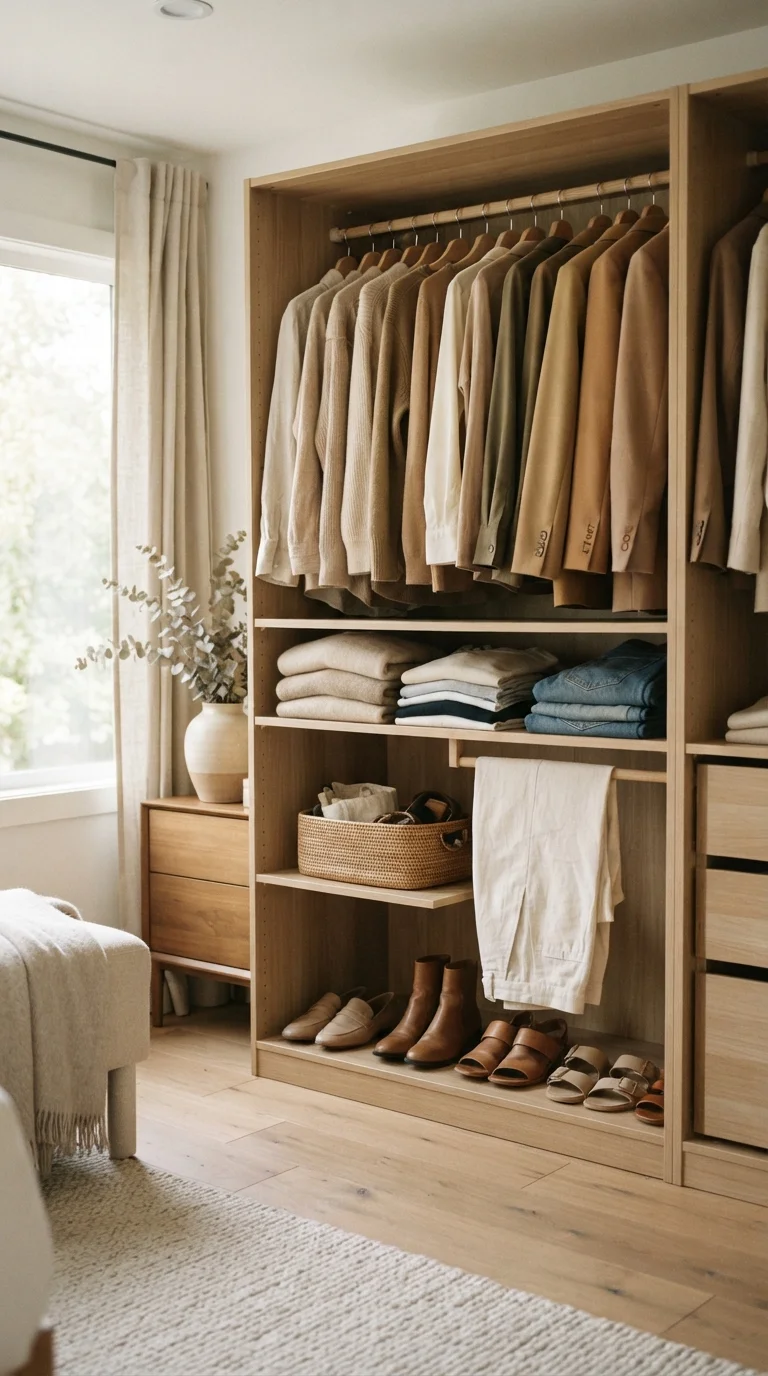
Photo credit: FindersGroove.com | Discover Important Information
In this article
Personal style isn't built once — it's maintained. These habits help you stay connected to your aesthetic as your tastes, life, and wardrobe evolve.
Key Takeaways
- Personal style is an ongoing practice, not a one-time decision you make and forget.
- Regularly auditing your wardrobe helps you stay aligned with who you actually are right now.
- Keeping a style reference - visual or written - makes your aesthetic easier to maintain consistently.
- Slowing down before purchasing reduces clutter and keeps your wardrobe intentional.
- Your style should evolve with your life, not be locked into a version of you from years ago.
Why Style Needs Maintenance, Not Just Discovery
Most style advice is front-loaded: define your aesthetic, declutter your closet, build a capsule. What gets talked about far less is what happens after that initial burst of clarity. Life shifts. Tastes drift. A wardrobe that felt perfectly you eighteen months ago can start to feel like it belongs to someone else entirely.
That's not failure - that's just what happens when you're a person who grows. The goal isn't to lock in a style identity forever; it's to build habits that keep you connected to your aesthetic as it evolves. Think of it less like setting a style in stone and more like tending a garden: periodic attention beats wholesale overhaul every time.
For a deeper foundation, our complete guide to developing your personal style walks through everything from aesthetic vocabulary to wardrobe frameworks. This article is about what sustains that work over the long haul.
Six Habits That Keep Your Style Honest
These aren't rules - they're practices. Pick the ones that genuinely fit your life and personality, and adapt the rest.
Schedule a quarterly wardrobe check-in, not just a seasonal purge
A purge removes things; a check-in asks why. Spending twenty minutes every few months evaluating what you're actually reaching for - and what's been ignored - reveals patterns that a once-a-year cleanout can't. It keeps your wardrobe honest about who you are now, not who you were when you bought something.
Keep a style reference point - visual or written - and update it intentionally
Mood boards and style notes aren't just for the discovery phase. They serve as an anchor when you're tempted by something shiny or uncertain about a purchase. Returning to your reference periodically also shows you where your taste is genuinely evolving versus where you're just reacting to external noise.
Introduce a pause between wanting something and buying it
Impulse purchases are rarely aligned with a considered aesthetic. A short waiting period - even 48 hours - gives initial excitement time to settle so you can evaluate whether an item genuinely fits your wardrobe or just caught you at a receptive moment. This is the practical backbone of mindful purchasing.
Dress with your actual life in mind, not an aspirational one
Buying for a life you don't quite live yet is one of the most common ways wardrobes grow out of alignment with identity. Clothes that fit your real daily rhythm get worn and loved; clothes for a theoretical version of your day sit unworn and generate guilt. The everyday fashion mindset - practical, wearable, real - is the antidote.
Revisit outfit formulas rather than reinventing your look daily
Reliable outfit structures reduce decision fatigue and reinforce a coherent visual identity over time. When you know what combinations work for your body, your lifestyle, and your aesthetic, getting dressed becomes less stressful and more satisfying - without being repetitive or boring.
Let go of 'rules' that don't serve your actual self
Many style conventions - dress for your age, stick to one decade's silhouette, never repeat an outfit - are social constructs, not aesthetic laws. Holding onto rules that feel constraining keeps you dressed for an imagined audience rather than yourself. Understanding which guidelines genuinely help you versus which just add noise is part of a maturing style practice.
Start Small: Quick Wins You Can Act On Today
You don't need a full wardrobe overhaul to feel more intentional about how you dress. A few small moves, done consistently, create outsized results over time. The practices above work best when you layer them gradually - not all at once.
Consistency matters more than any single decision. The same principle holds in beauty routines: why consistency matters more than the products you use is a useful parallel for understanding how small, repeated actions outperform dramatic resets.
Letting Your Style Evolve Without Losing the Thread
Intentional dressing doesn't mean rigid dressing. Your style is allowed - encouraged, even - to shift as you move through different seasons of your life. The habits above aren't about holding on; they're about staying aware, so when change happens, it feels chosen rather than accidental.
Style Evolution Is Normal and Healthy
Noticing that your taste has changed isn't a sign that your earlier choices were wrong - it's a sign you're paying attention. Style that genuinely reflects you will always be a moving target because you are always moving. The goal of these habits isn't to freeze your aesthetic; it's to make sure changes feel intentional rather than reactive. If you find journaling useful for processing shifts in taste or identity, journaling for mental clarity explores approaches that can work well for this kind of reflective practice too.
For practical ideas on how one aesthetic can flex across your daily contexts, creating a consistent aesthetic across casual, work, and social occasions offers concrete strategies that travel well. And if you're weighing how to structure your wardrobe philosophy, capsule wardrobe vs. curated closet breaks down two very different - and equally valid - approaches.
The through-line in all of it: dressing with intention is less about having the perfect clothes and more about having a clear relationship with the ones you own.

Author
Style & Beauty Editorial Team
Style & Beauty Editorial Team is the collective byline for our editorial team and contributor network. Articles published under this byline or an editorial pen name are researched, written, and reviewed according to our editorial standards for clarity, consistency, and independence before publication.
View all articles →