
Developing Your Personal Style: A Complete Reference
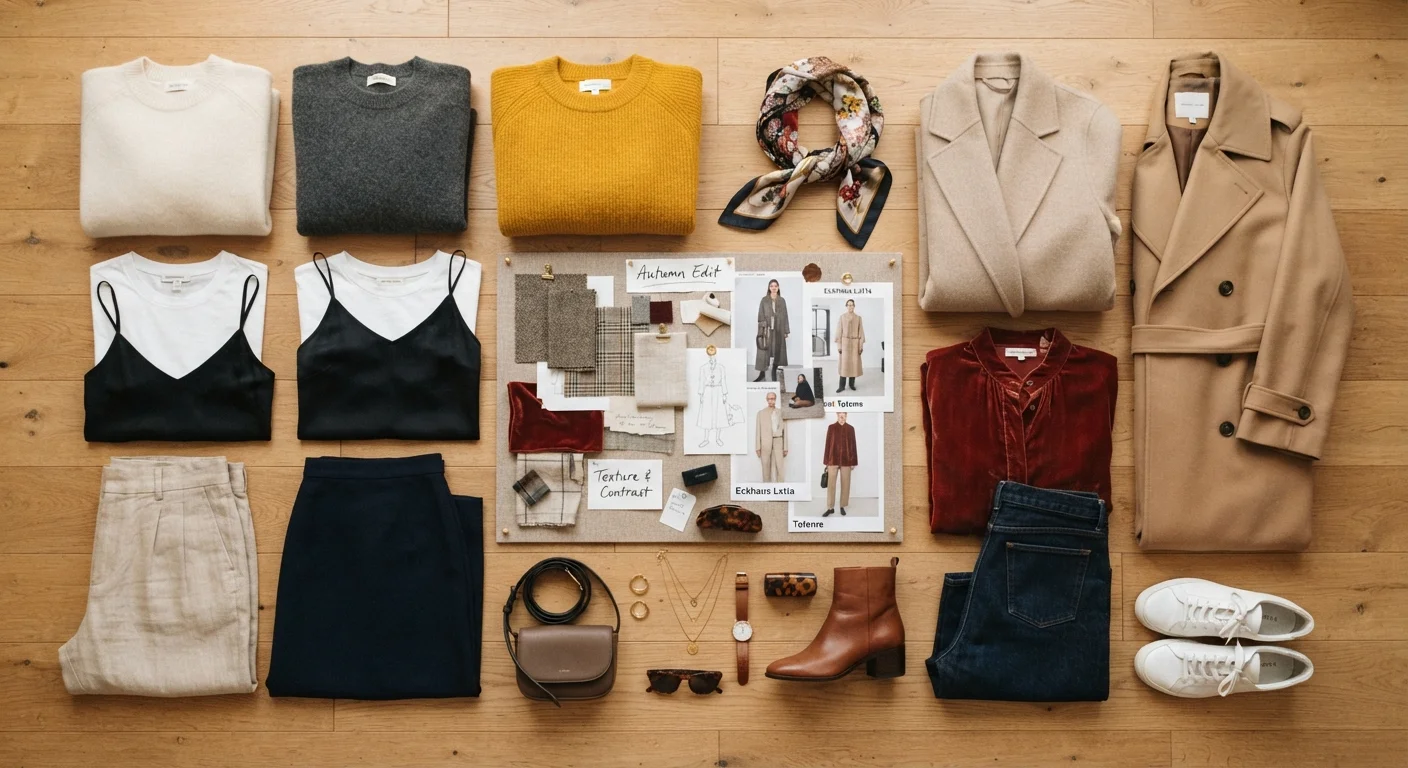
Photo credit: FindersGroove.com | Discover Important Information
In this article
From aesthetic vocabulary to wardrobe frameworks, this end-to-end guide covers everything involved in building a style that's distinctly and durably yours.
Key Takeaways
- Personal style is a self-expression framework, not a trend-chasing exercise.
- Building an aesthetic vocabulary before shopping saves money and reduces wardrobe regret.
- Auditing what you already own reveals your real preferences more than any quiz.
- A wardrobe built on versatile foundations gives you more outfit options with fewer pieces.
- Style evolves naturally - habits and intentional editing keep it grounded over time.
What Personal Style Actually Means
Personal style is the consistent visual language you use to communicate who you are without saying a word. It's not about having the most clothes, following the freshest runway looks, or spending a certain amount of money. It's about coherence - a wardrobe that actually reflects your life, values, and identity.
The reason so many people feel stuck is that they conflate style with fashion. Fashion is seasonal and externally defined; style is enduring and internally driven. Once you understand that distinction, the whole exercise shifts from overwhelming to genuinely exciting. You're not trying to keep up - you're trying to tune in.
Explore more wearable ideas in the Everyday Fashion hub, where practical style meets real daily life.
Start With Curiosity, Not Rules
There's no single correct way to have personal style, and no aesthetic is objectively better than another. Approach this process like an experiment: notice what genuinely draws your eye, what makes you feel most like yourself, and what you keep returning to. The 'rules' come later, after you know what you're actually working with.
Building Your Aesthetic Vocabulary
Before you can shop or edit intentionally, you need words for what you like. An aesthetic vocabulary is a shorthand for your visual preferences - descriptors like minimalist, utilitarian, romantic, eclectic, or polished casual that help you make faster, more confident decisions.
The best way to build this vocabulary is through visual curation. Spend a few weeks saving images that genuinely appeal to you - outfit photos, interiors, art, nature, anything. Then look for patterns: recurring colors, silhouettes, textures, and moods. Those patterns are your aesthetic fingerprint.
80%
Clothes worn only 20% of the time
Research on wardrobe behavior suggests most people regularly wear only a small fraction of the clothing they own, highlighting the value of intentional curation.
~33
Average items in a capsule wardrobe
Wardrobe minimalism advocates commonly suggest that 30-40 versatile pieces can cover the vast majority of daily outfit needs without a bloated closet.
Once you have four or five anchor descriptors, use them as a filter. If a piece doesn't align with at least two of them, it's probably not for you - no matter how trendy or on-sale it is.
Screenshot outfits you wear and feel genuinely good in, not just outfits that look good on a hanger. Your 'feel good' record is more reliable than any algorithm.
Comfort and confidence in clothing are deeply tied to identity alignment - tracking actual positive experiences builds a more honest style picture than abstract inspiration.
When building your aesthetic vocabulary, aim for contrasts as well as consistencies - 'clean lines but warm textures' is more useful than just 'minimalist' alone.
Nuanced descriptors create better shopping filters and help you avoid the trap of buying pieces that are technically 'on-aesthetic' but don't excite you in practice.
Auditing What You Already Own
One of the most underrated steps in developing personal style is the wardrobe audit - a systematic look at what you already own before buying anything new. Most closets contain clear style signals hiding in plain sight: the items you reach for every single week versus the ones that have never left the hanger.
Pull everything out, group by category, and ask three questions for each item: Does this fit well right now? Does it align with my aesthetic vocabulary? Do I feel like myself in it? Items that answer yes to all three are your style anchors. Everything else is noise.
For a structured approach to this process, see Auditing Your Wardrobe to Find Your Real Aesthetic - a checklist-driven guide to identifying the patterns and gaps already in your closet.
Don't Let Trends Derail Your Audit
During a wardrobe audit, it's tempting to keep items because they're 'in right now' or discard pieces because they feel dated. Resist both impulses. Trend status is one of the least reliable indicators of whether something belongs in your wardrobe. Focus on fit, feel, and alignment with your aesthetic - not the current cultural moment.
Frameworks for a Functional Wardrobe
With your aesthetic vocabulary in hand and your existing wardrobe audited, you're ready to build intentionally. Two popular frameworks give you a structure without boxing you in.
The Capsule Approach
A capsule wardrobe is a small, curated collection of versatile pieces that work together across many combinations. The emphasis is on fit, quality, and cohesion over quantity. You don't need a fixed number - the goal is that everything plays well with everything else.
The Anchor-and-Accent Method
Anchors are your neutral, foundational pieces - the items you build outfits around. Accents are the personality-driven elements: a textured layer, a statement accessory, a pop of color. A wardrobe with strong anchors and a handful of well-chosen accents creates more outfit variety than a closet stuffed with unrelated statement pieces.
If you're starting with very little, Building a Wardrobe When You're Starting Essentially From Scratch walks through the exact foundational pieces to prioritize.
“Style is a way to say who you are without having to speak. The most powerful wardrobes are built on self-knowledge, not shopping lists.”
— Rachel Zoe, Fashion designer and style authority
Maintaining Your Style Over Time
Personal style isn't a destination - it's a practice. Tastes shift, life circumstances change, bodies evolve, and that's all completely normal. The goal isn't to lock yourself into an identity at 22 and never deviate; it's to stay connected to your preferences as they naturally develop.
A few habits keep style grounded: a seasonal mini-audit (30 minutes, twice a year) to remove what no longer fits or resonates; a running notes list of pieces you genuinely miss or keep wishing you owned; and a cooling-off rule before any significant purchase - if it still feels essential in 48 hours, it probably is.
For a deeper dive into the daily habits that sustain a coherent aesthetic, Dressing with Intention: Habits That Keep Your Style Grounded Over Time is an excellent next read.
Style built this way - from the inside out, grounded in self-knowledge and maintained with intention - is the kind that actually lasts. It becomes effortless not because you stop thinking about it, but because the thinking gets easier every season.

Author
Style & Beauty Editorial Team
Style & Beauty Editorial Team is the collective byline for our editorial team and contributor network. Articles published under this byline or an editorial pen name are researched, written, and reviewed according to our editorial standards for clarity, consistency, and independence before publication.
View all articles →