
Dressing for Your Body Shape vs. Dressing for Your Personality: What Should Come First?
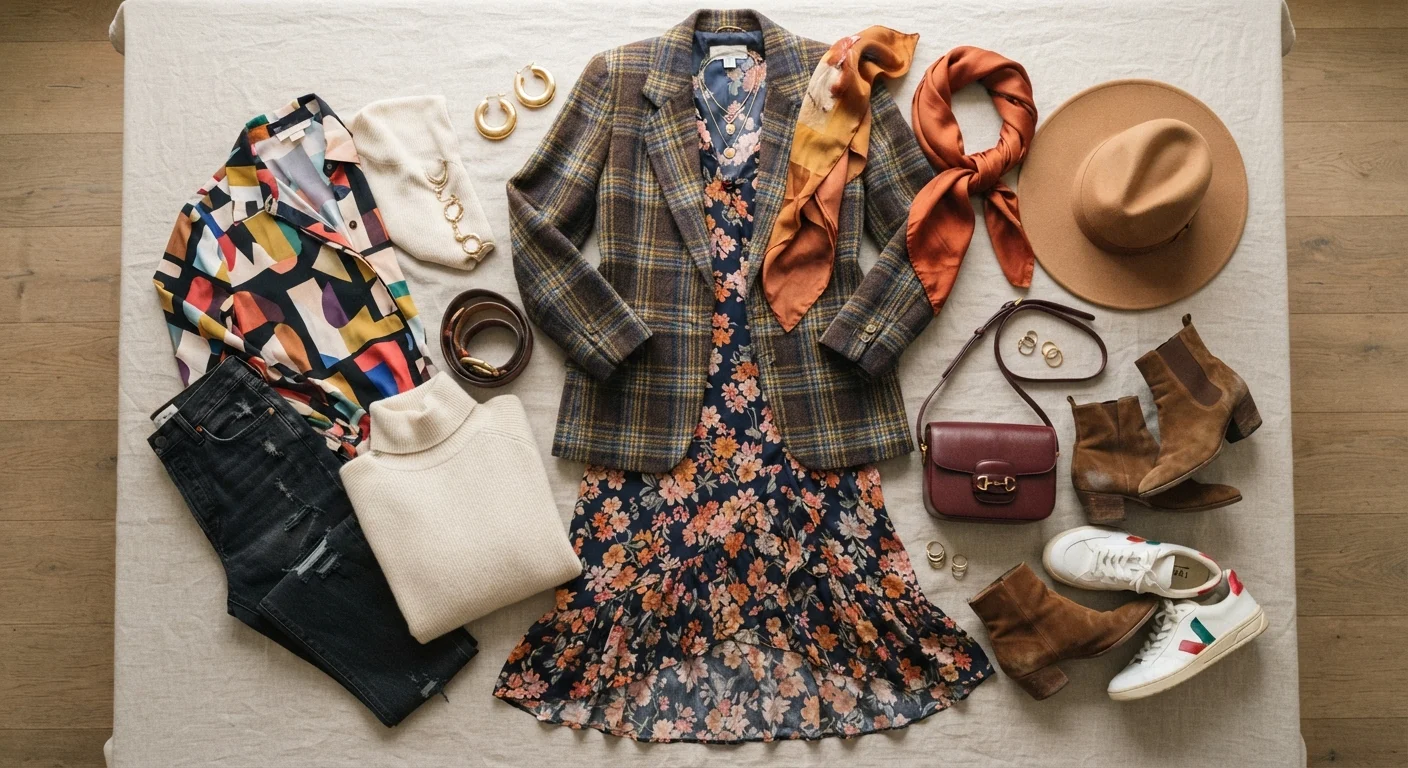
Photo credit: FindersGroove.com | Discover Important Information
In this article
Traditional style advice focuses heavily on body proportions. But personality-led dressing is gaining ground. Here's what each approach gets right.
Key Takeaways
- Body-shape dressing optimizes fit and proportion, but it can feel prescriptive and limiting.
- Personality-led dressing prioritizes self-expression and emotional connection to clothing.
- The most effective approach combines both: use fit principles as a tool, not a rulebook.
- Style satisfaction tends to increase when personal identity leads wardrobe decisions.
- Neither approach is universally superior - your lifestyle and confidence goals matter most.
What Each Approach Actually Means
Body-shape dressing is the classic framework most of us encountered in magazines: identify your silhouette (hourglass, pear, apple, rectangle, etc.) and choose clothes that "balance" or "flatter" your proportions. The underlying goal is to create visual symmetry or elongation through strategic cuts and fabric placement.
Personality-led dressing starts from a completely different place. Instead of asking "what works for my body?" it asks "what feels like me?" This approach draws on your aesthetic preferences, emotional associations with clothing, cultural identity, and the image you want to project - regardless of proportion rules.
Neither is frivolous. Both have real logic behind them. But they answer fundamentally different questions, and understanding that difference is what helps you figure out which lens should come first for you. If you're still figuring out your personal aesthetic from the ground up, our guide to building a style identity from scratch is a great place to start.
The Case for Body-Shape Dressing
Body-proportion awareness has real practical value - especially when it comes to fit. Understanding how a high waist, a wide leg, or a structured shoulder interacts with your frame can save you from purchases that look great on a hanger but wrong on your body. This is particularly useful when shopping online or building a foundation wardrobe of versatile basics.
Fit, in particular, is one of the most consistent predictors of whether an outfit works. Our guide on understanding fit explores this in depth - and it's worth noting that many body-shape principles are really just fit principles in disguise.
| Body-Shape Dressing | Personality-Led Dressing | |
|---|---|---|
| Starting point | Physical proportions and silhouette | Personal identity and aesthetic preferences |
| Primary goal | Visual balance and proportion | Self-expression and authenticity |
| Wardrobe coherence | Consistent fit, but style may feel flat | High when self-awareness is strong |
| Learning curve | Moderate - rules are learnable but rigid | High - requires self-knowledge to apply well |
| Long-term satisfaction | Moderate - rules can feel limiting over time | High - anchored in identity, not trends |
| Best used for | Shopping for basics, evaluating fit | Defining a consistent personal aesthetic |
The limitation? Body-shape frameworks were largely developed within narrow aesthetic and cultural standards. They often assume "balance" means approximating one specific silhouette, which isn't a universal goal - or a universally valid one. Following these rules rigidly can lead to a wardrobe that technically "works" but feels strangely disconnected from who you actually are.
The Case for Personality-Led Dressing
Your style is a form of communication. When what you wear reflects your values, tastes, and identity, getting dressed becomes energizing rather than stressful. Personality-led dressing also tends to produce more coherent wardrobes: when everything you own aligns with a consistent aesthetic, outfits come together more naturally and impulse buys drop.
This approach also ages better than trend-chasing. Style rules about "flattering" change; your core personality largely doesn't. Anchoring your wardrobe in who you are - rather than what's currently considered ideal - creates more long-term satisfaction and less fashion fatigue. This connects closely to intentional wardrobe-building: whether you prefer a capsule approach or a curated closet, both philosophies work best when personality is the foundation.
Try the "Would I Still Love This in 3 Years?" Test
When evaluating a new piece, ask whether you'd reach for it in three years, not three weeks. If the answer is yes and it aligns with your broader aesthetic, it's likely a personality-driven buy worth making. If the answer is "maybe, if it's still trending" - that's a signal to pause. This simple mental check can help you distinguish between genuine style resonance and fleeting trend appeal.
The honest challenge with personality-led dressing is that it requires self-awareness. If you haven't yet developed a clear sense of your aesthetic preferences, starting purely from personality can feel just as overwhelming as any other method. That's where some structure - including fit awareness - can actually help.
How to Blend Both Without Losing Yourself
The most satisfying style identities we see tend to use body-shape knowledge as a tool, not a template. Here's a practical way to think about it:
- Start with personality. What adjectives do you want your outfits to communicate? What do you feel most like yourself in? These answers are your north star.
- Apply fit awareness second. Once you know what you're drawn to, use proportion principles to refine how specific pieces are cut or worn - not to eliminate whole categories. Love oversized silhouettes but find them visually overwhelming? Anchor them with a belt or tuck. Love bold prints but feel they "swallow" you? Experiment with scale.
- Ignore rules that conflict with joy. If a style "rule" tells you to avoid something that genuinely makes you happy, that rule isn't serving you. Much the same logic applies to age-based style rules - prescriptive guidelines rarely hold up against lived experience.
Keeping this balance over time takes practice. Intentional dressing habits can help you stay connected to your aesthetic as your tastes and life evolve.

Author
Style & Beauty Editorial Team
Style & Beauty Editorial Team is the collective byline for our editorial team and contributor network. Articles published under this byline or an editorial pen name are researched, written, and reviewed according to our editorial standards for clarity, consistency, and independence before publication.
View all articles →