
Socialisation Windows: Why Timing Matters So Much in Puppy and Kitten Development
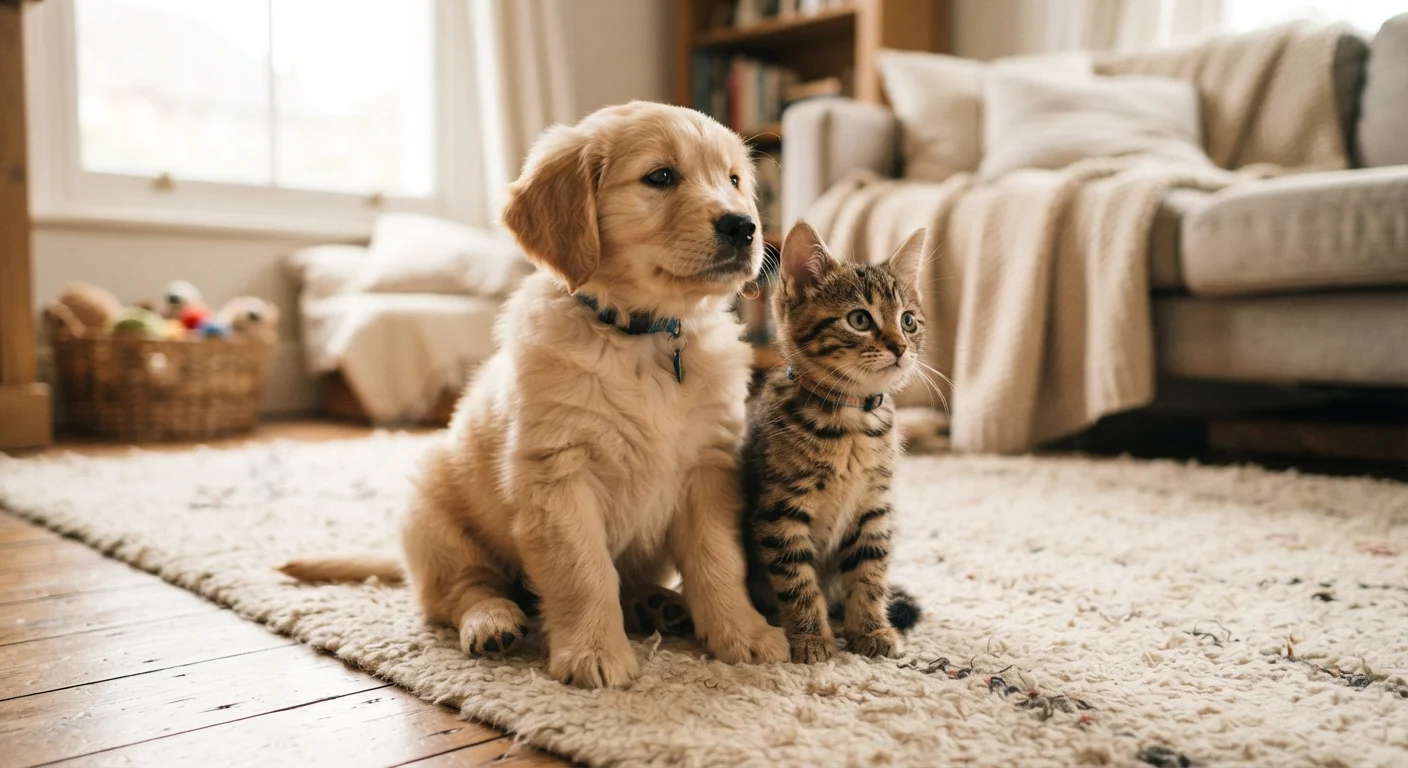
Photo credit: FindersGroove.com | Discover Important Information
In this article
Young animals have critical developmental periods that shape their behaviour for life. Here's what socialisation windows are and why missing them matters.
Key Takeaways
- Puppies have a primary socialisation window roughly between 3 and 14 weeks of age.
- Kittens' window is shorter, typically spanning weeks 2 through 7.
- Positive experiences during this phase reduce fear and aggression later in life.
- Missing the window doesn't ruin a pet, but rehabilitation takes significantly more effort.
- Safe, supervised exposure is the goal - overwhelming a young animal can backfire.
What Happens Inside the Brain During This Period
In the weeks after birth, a young animal's brain is forming connections at a remarkable rate. Neural pathways that will govern fear, trust, and social behaviour are being laid down - and the experiences happening around the animal directly influence how those pathways are wired.
During the socialisation window, the brain treats unfamiliar stimuli as normal rather than threatening. A puppy exposed to children, traffic noise, and other pets during this phase learns to categorise those things as ordinary features of its world. An animal that misses this exposure may later interpret the same stimuli as signals of danger - triggering anxiety, defensive aggression, or avoidance.
This isn't a character flaw or a training failure. It's a neurological reality rooted in how mammalian development works. Understanding it is the first step toward acting on it.
Breeders and Shelters Matter Too
A significant portion of the socialisation window occurs before a pet ever arrives in its permanent home. Responsible breeders and shelters that prioritise early handling, environmental enrichment, and human contact are giving animals a genuine developmental advantage. When choosing where to get a pet, asking about early socialisation practices is a worthwhile question.
The Timeline: Puppies vs. Kittens
The windows differ meaningfully between species, and knowing the exact timing helps owners and breeders make better decisions.
Puppies
The primary socialisation period for dogs runs from roughly 3 to 14 weeks. Within this window, weeks 3-5 involve rapid sensory development, while weeks 6-14 are when social bonding with humans and other species is most easily established. A puppy that arrives home at 8 weeks still has several valuable weeks left - but only if that time is used intentionally.
Kittens
Kittens move through this phase faster. The sensitive period spans approximately 2 to 7 weeks, meaning the bulk of it happens before most kittens are placed in homes. This puts particular responsibility on breeders, shelters, and foster carers to provide varied handling and gentle human contact from very early on.
3-14 weeks
Primary socialisation window for puppies
Widely cited across veterinary behavioural literature, including guidelines from the American Veterinary Society of Animal Behavior.
2-7 weeks
Primary socialisation window for kittens
Research into feline development consistently identifies this shorter window as the critical phase for human socialisation in cats.
For both species, what follows the window is a gradual increase in neophobia - a natural wariness of the unfamiliar - that makes new experiences harder to process without anxiety.
What Good Socialisation Actually Looks Like
Socialisation is not about flooding a young animal with stimulation. It's about controlled, positive exposure - introducing novel experiences at a pace the animal can handle, paired with calm reassurance and rewards.
- People: Different ages, appearances, and movement styles (including children and elderly adults)
- Sounds: Traffic, appliances, thunderstorms, music - ideally at low volume first
- Surfaces: Grass, gravel, tile, carpet, and stairs build physical confidence
- Other animals: Healthy, vaccinated dogs or cats in calm settings
- Handling: Touching paws, ears, and mouths builds tolerance for veterinary exams and grooming
Crate training introduced gently during this window can also support a puppy's sense of security, giving them a safe retreat when the world feels like too much.
Keep Early Experiences Positive and Brief
Young animals have short attention spans and can become overwhelmed quickly. Aim for several short, pleasant exposures rather than one long session. Watch for signs of stress - flattened ears, tucked tail, hiding, or excessive yawning - and end the session before the animal reaches its limit. Ending on a calm, positive note builds confidence over time.
What Happens When the Window Is Missed
Pets that received little socialisation during their critical window often show up in veterinary offices and rescue organisations with recognisable patterns: hiding from strangers, reacting to unexpected sounds, aggression during handling, or difficulty with car travel. These behaviours are not wilful - they reflect an animal whose early brain never learned that these things are safe.
Rehabilitation is possible. Behaviour modification using positive reinforcement, desensitisation, and sometimes guidance from a certified applied animal behaviourist can bring meaningful improvement. But it takes time, consistency, and realistic expectations. Some animals make dramatic progress; others reach a plateau and simply need accommodations for life.
If you've adopted an older pet with a limited socialisation history, establishing a strong wellness foundation early - including veterinary relationship-building and a predictable home routine - can meaningfully support their adjustment.
Timing Your Veterinary and Preventive Care Alongside Socialisation
One practical challenge new owners face is the apparent conflict between vaccination schedules and the need for socialisation. Puppies and kittens are most vulnerable to infectious disease at the very age when socialisation matters most. The good news is that these goals aren't mutually exclusive.
Most veterinary organisations in the US advise that the developmental risk of under-socialisation is real and should be weighed alongside infectious disease risk. Puppy socialisation classes held in clean environments, playdates with fully vaccinated animals, and careful outings can all begin before vaccination is complete - with your veterinarian's input.
Use the first-year care checklist to keep your preventive care on track while building in time for socialisation experiences. The two efforts reinforce each other: a pet that's comfortable at the vet is far easier to care for throughout its life.
“The socialisation period is the single most important developmental stage in a dog's life. Experiences - positive or negative - during this window have a disproportionate and lasting effect on behaviour.”
— American Veterinary Society of Animal Behavior, Position statement on puppy socialisation
This article provides general information about animal development and is not a substitute for veterinary advice. Consult your veterinarian about a socialisation and vaccination plan tailored to your specific pet.
Frequently Asked Questions

Author
Pets & Animal Life Editorial Team
Pets & Animal Life Editorial Team is the collective byline for our editorial team and contributor network. Articles published under this byline or an editorial pen name are researched, written, and reviewed according to our editorial standards for clarity, consistency, and independence before publication.
View all articles →