
Building a Daily Routine Your Pet Can Rely On
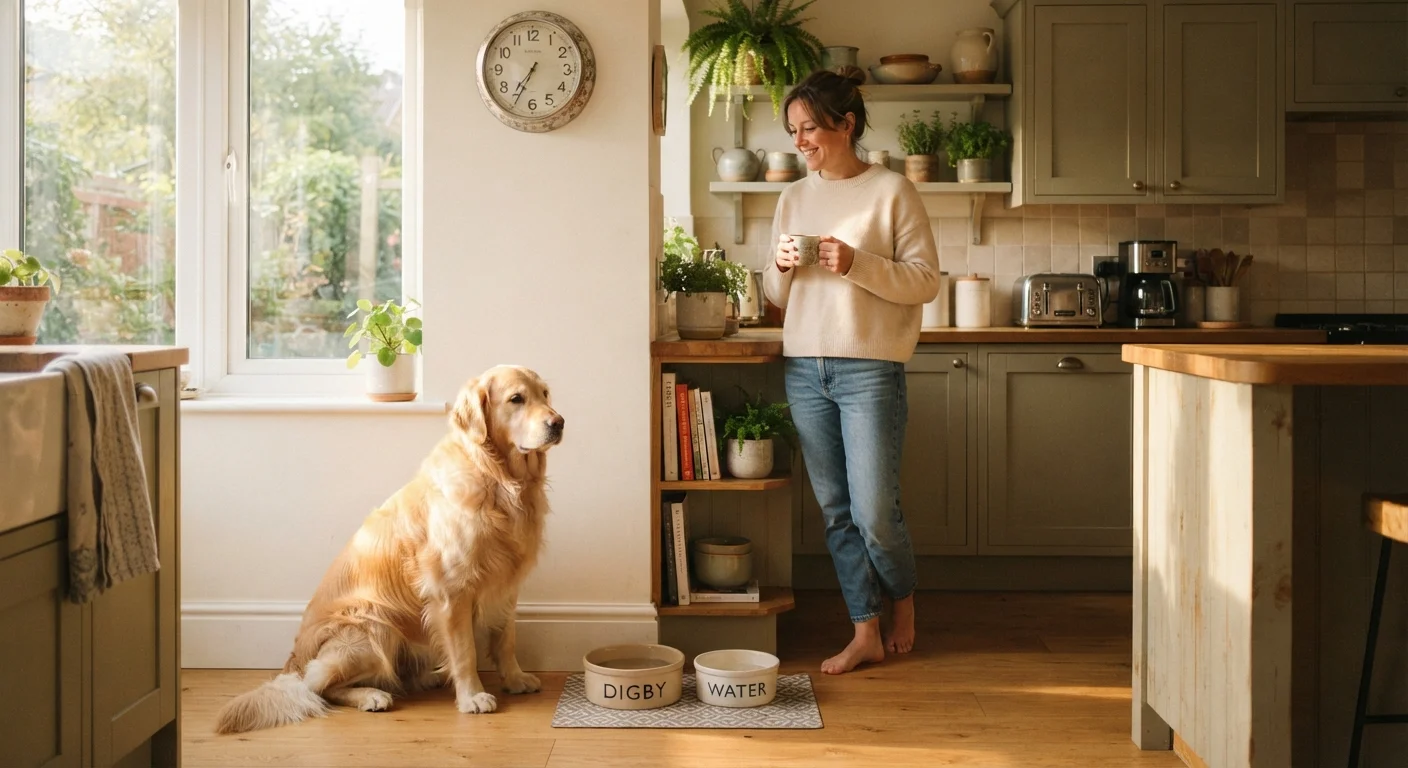
Photo credit: FindersGroove.com | Discover Important Information
In this article
Predictable schedules reduce anxiety and improve behaviour in most pets. Here's how to structure feeding, exercise, and rest time effectively.
Key Takeaways
- Predictable schedules reduce anxiety and stress-related behaviour in dogs and cats.
- Feeding, exercise, and rest should happen at consistent times each day.
- Mental enrichment activities belong in a daily routine alongside physical exercise.
- Gradual routine changes are far less disruptive than sudden schedule shifts.
- Grooming and dental care are easier to maintain when built into daily or weekly habits.
Why Routine Matters More Than You Think
Pets - especially dogs and cats - are creatures of habit. Their internal clocks are remarkably accurate, and when the day unfolds in a familiar pattern, their nervous systems respond with calm rather than vigilance. Research in animal behaviour consistently shows that predictable environments are associated with lower stress hormone levels, fewer destructive behaviours, and improved overall wellbeing.
Routine isn't just convenience for owners. It communicates safety. When a pet learns that meals, walks, and rest happen at roughly the same time each day, they stop spending energy anticipating the unknown. That mental energy can then go toward learning, play, and bonding instead. If you're welcoming a new animal home, establishing structure early is one of the most valuable things you can do.
Every Pet's Ideal Routine Looks a Little Different
A senior cat's schedule will look very different from a puppy's - energy levels, dietary needs, and health conditions all shape what a good daily routine includes. Use the framework here as a starting structure, and adapt it based on your specific animal's age, breed, and any guidance from your veterinarian. If you're unsure where to start, annual vet visits are a great opportunity to ask for routine recommendations tailored to your pet.
Best Practices for Building a Reliable Daily Schedule
A solid pet routine covers four core categories: feeding, physical exercise, mental engagement, and rest. Here's how to approach each with intention.
Feed at the same times every day, not on demand.
Scheduled meals regulate digestion, support healthy weight management, and give pets a reliable anchor point in their day. Free-feeding can mask appetite changes that signal illness, whereas timed meals let you notice quickly if something is off.
Schedule physical exercise at consistent times, not just when convenient.
Exercise burns energy that would otherwise fuel anxiety or destructive behaviour. Consistent timing helps pets anticipate activity, making them calmer during the hours between. Dogs in particular thrive on knowing when their walk is coming.
Build short training or enrichment sessions directly into the routine.
Mental stimulation is as physiologically important as physical exercise for most companion animals. Brief sessions of positive reinforcement training or puzzle engagement prevent boredom-driven behaviour and strengthen the human-animal bond.
Establish clear, protected rest and sleep windows.
Adequate sleep supports immune function, mood regulation, and cognitive health in pets. Irregular rest patterns - frequent disruptions, inconsistent sleep locations - can contribute to irritability and heightened reactivity.
Incorporate grooming tasks on a predictable weekly schedule.
Grooming tasks handled sporadically are more stressful for pets and harder for owners to sustain. Regular, calm grooming sessions - brushing, ear checks, tooth brushing - desensitize pets to handling and make it easier to catch early health changes. See our guide to grooming at home vs. professional grooming for what to prioritize.
Change routines gradually when life circumstances shift.
Sudden schedule changes - a new job, travel, seasonal shifts - are a common trigger for anxiety and regression in previously well-adjusted pets. Transitioning slowly over several days helps pets adapt without losing the security the routine provides.
Quick Wins You Can Start Today
You don't need a perfect plan from day one. Small, consistent changes compound quickly. These immediate actions make a measurable difference with minimal effort.
Once the basics are stable, consider layering in mental enrichment activities - puzzle feeders, scent games, and training sessions - to round out your pet's day. You might also use the monthly pet wellness checklist to make sure routine care like dental checks and weight monitoring stay on track.
70%+
Pets affected by separation-related stress behaviours
Behavioural studies suggest a majority of dogs display some form of separation-related behaviour, many of which are reduced through predictable daily structure.
2-3x
More likely to catch health changes early with feeding schedules
Veterinary guidance consistently notes that timed meals make appetite changes - an early indicator of illness - far easier to detect than free-feeding arrangements.
This article provides general pet care information and is not a substitute for advice from a qualified veterinarian. Consult your vet if you have concerns about your pet's behaviour, health, or specific care needs.

Author
Pets & Animal Life Editorial Team
Pets & Animal Life Editorial Team is the collective byline for our editorial team and contributor network. Articles published under this byline or an editorial pen name are researched, written, and reviewed according to our editorial standards for clarity, consistency, and independence before publication.
View all articles →