
Grooming at Home vs. Professional Grooming: What New Pet Owners Should Know
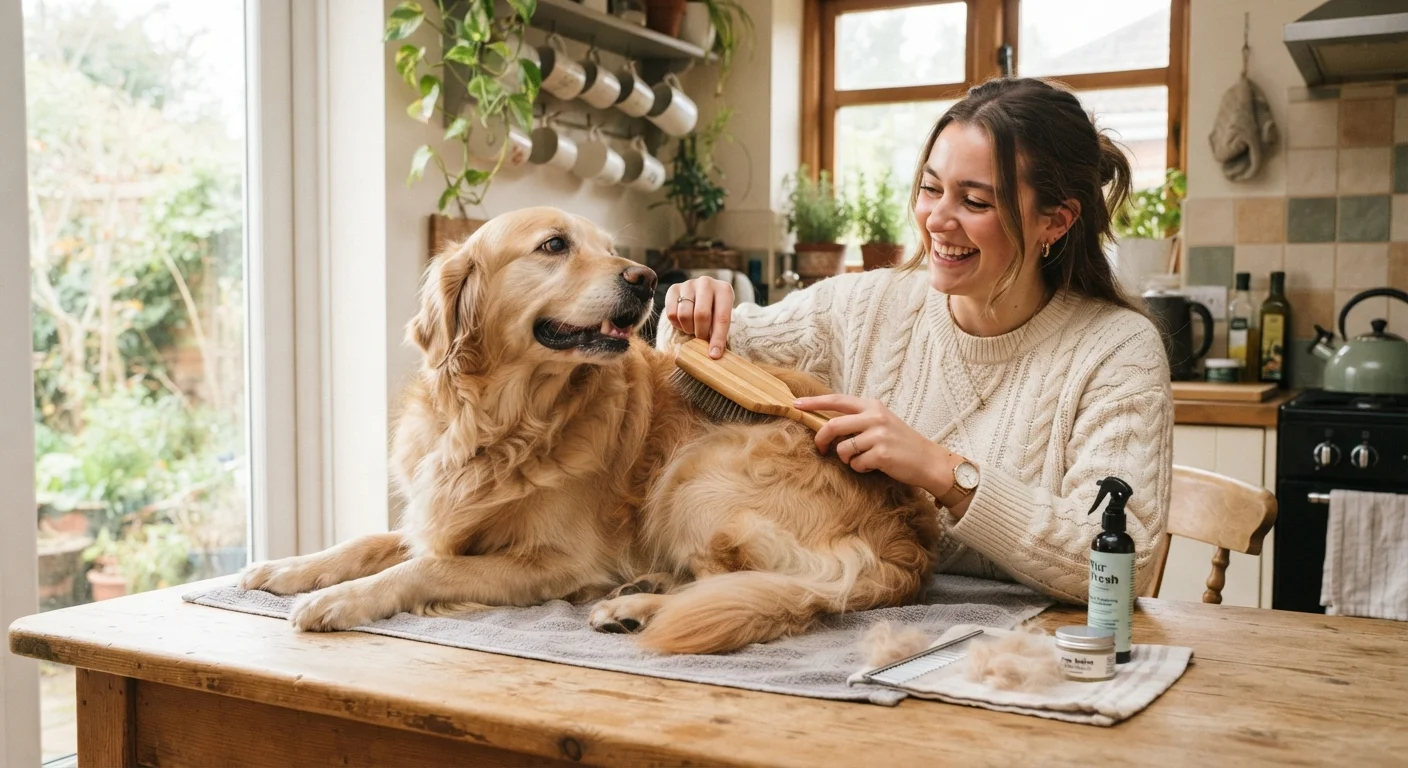
Photo credit: FindersGroove.com | Discover Important Information
In this article
Not all grooming tasks need a professional — but some do. Here's how to decide what you can handle at home and when to book an appointment.
Key Takeaways
- Basic grooming tasks like brushing and nail filing can be safely done at home with the right tools and technique.
- Professional groomers offer expertise for complex coats, breed-specific cuts, and tasks that carry injury risk.
- Your pet's breed, coat type, and temperament all influence which approach makes more sense.
- A hybrid routine - home maintenance plus periodic professional appointments - works well for most pets.
- Grooming sessions are also an opportunity to spot lumps, skin issues, or other health changes early.
Why Grooming Decisions Matter From Day One
Grooming is one of the most immediate and recurring responsibilities new pet owners face - and one of the most confusing. How often? What tools? Does your dog really need a professional haircut, or is that just a luxury? For cats, do you even need to bathe them?
The answers vary significantly by species, breed, coat type, and individual temperament. Before you book an appointment or stock up on supplies, it helps to understand what each approach actually involves. As you build your pet's overall care foundation, grooming fits naturally alongside the habits described in our guide for new pet owners - the earlier you establish a grooming routine, the more comfortable your pet will become with handling.
Think of grooming not just as hygiene maintenance, but as a regular health check. Running a brush through your pet's coat gives you a chance to notice changes in skin condition, feel for unusual lumps, and monitor coat health - all of which matter for early detection of potential issues.
What You Can Realistically Do at Home
Many routine grooming tasks are genuinely manageable at home, even for beginners. Here's what most owners can handle with modest practice:
- Brushing and detangling: Regular brushing prevents matting, reduces shedding, and keeps coats healthy. Short-coated pets may only need weekly brushing; double-coated and long-haired breeds often require daily attention.
- Basic nail maintenance: Keeping nails from getting dangerously long is important for posture and joint health. Many owners successfully use pet nail clippers or grinder tools at home, though it takes practice to avoid the quick (the blood vessel inside the nail).
- Ear wiping: Gently cleaning the outer ear with a veterinarian-recommended solution and a cotton pad can reduce wax buildup - but never insert anything into the ear canal.
- Teeth brushing: Daily or several-times-weekly brushing with pet-safe toothpaste helps prevent dental disease, which is among the most common health issues in adult dogs and cats.
- Light bathing: Dogs generally benefit from occasional baths using a pet-formulated shampoo. Most healthy cats groom themselves and rarely need bathing.
Build Grooming Into Your Daily Routine Early
Short, positive grooming interactions starting in puppyhood or kittenhood make a lasting difference in how your pet tolerates handling. Even two to three minutes of gentle brushing or paw handling during calm moments helps your pet associate grooming with comfort rather than stress. Treats and calm praise go a long way during these early sessions.
Adding brief grooming moments to your pet's daily routine - even just a few minutes of brushing - helps desensitize them to handling and makes full grooming sessions far less stressful over time.
When a Professional Groomer Makes More Sense
Certain grooming needs genuinely call for professional training, equipment, and experience. Recognizing these situations early protects both your pet and your confidence as an owner.
- Breed-specific cuts: Poodles, Doodles, Schnauzers, Shih Tzus, and many terrier breeds require precise haircuts that maintain coat function and appearance. Improper cuts can cause discomfort or skin problems.
- Severe matting: Once a coat has developed tight, layered mats, attempting to brush them out at home can cause skin tearing and pain. Professional groomers have the tools and technique to address this safely - or will advise a veterinary visit if the situation is severe enough.
- Nail trims on anxious or reactive pets: Some pets simply will not tolerate nail trims calmly at home. A groomer trained in low-stress handling techniques is a safer choice than a stressful struggle.
- Anal gland expression: Some dogs need periodic anal gland expression - a task best left to groomers or veterinary staff who are trained for it.
- De-shedding treatments: Professional de-shedding services for heavy-shedding breeds involve specialized tools and techniques that go well beyond what a standard home brush can achieve.
Avoid DIY Grooming in Sensitive Areas Without Guidance
Trimming around the eyes, ears, and paw pads requires precision and a calm, cooperative pet. Scissors and clippers near these areas pose a genuine injury risk if your pet moves suddenly. If you are new to grooming or your pet is fidgety, have a professional demonstrate proper technique before attempting these tasks at home.
Be cautious about attempting to remove severe mats or trim around sensitive areas (eyes, ears, paws) at home without guidance. Incorrect technique with scissors or clippers near these areas carries a real risk of injury. When in doubt, consult a professional first.
Comparing Home and Professional Grooming Side by Side
Understanding the practical differences between approaches helps you build a routine that is realistic for your lifestyle and right for your pet. The table below compares the two across the factors that matter most to new owners.
| Home Grooming | Professional Grooming | |
|---|---|---|
| Cost | Lower ongoing cost; tools are one-time purchases | Per-session fees; adds up over time |
| Convenience | Do it on your own schedule | Requires booking and travel time |
| Skill required | Low to moderate for basic tasks | High; trained for breed-specific and complex work |
| Equipment needed | Basic brushes, clippers, nail tools | Professional-grade tools provided |
| Suitability for complex coats | Limited; risk of improper cuts or matting | Well-suited; trained for all coat types |
| Pet comfort and stress | Familiar environment; may ease anxiety | Unfamiliar setting; some pets find it stressful |
| Health observation opportunity | Owner learns pet's body well | Groomer may also flag skin or coat issues |
For most pets, neither column wins outright. A hybrid approach - home brushing and dental care several times per week, with professional appointments every six to twelve weeks depending on coat type - is the most practical and sustainable model. You can track grooming tasks alongside other monthly health habits using a structured reference like our monthly pet wellness checklist.
This article provides general pet care information and is not a substitute for advice from a licensed veterinarian or certified professional groomer familiar with your individual pet's needs.

Author
Pets & Animal Life Editorial Team
Pets & Animal Life Editorial Team is the collective byline for our editorial team and contributor network. Articles published under this byline or an editorial pen name are researched, written, and reviewed according to our editorial standards for clarity, consistency, and independence before publication.
View all articles →