
Setting Up a Safe, Comfortable Space for a New Pet at Home
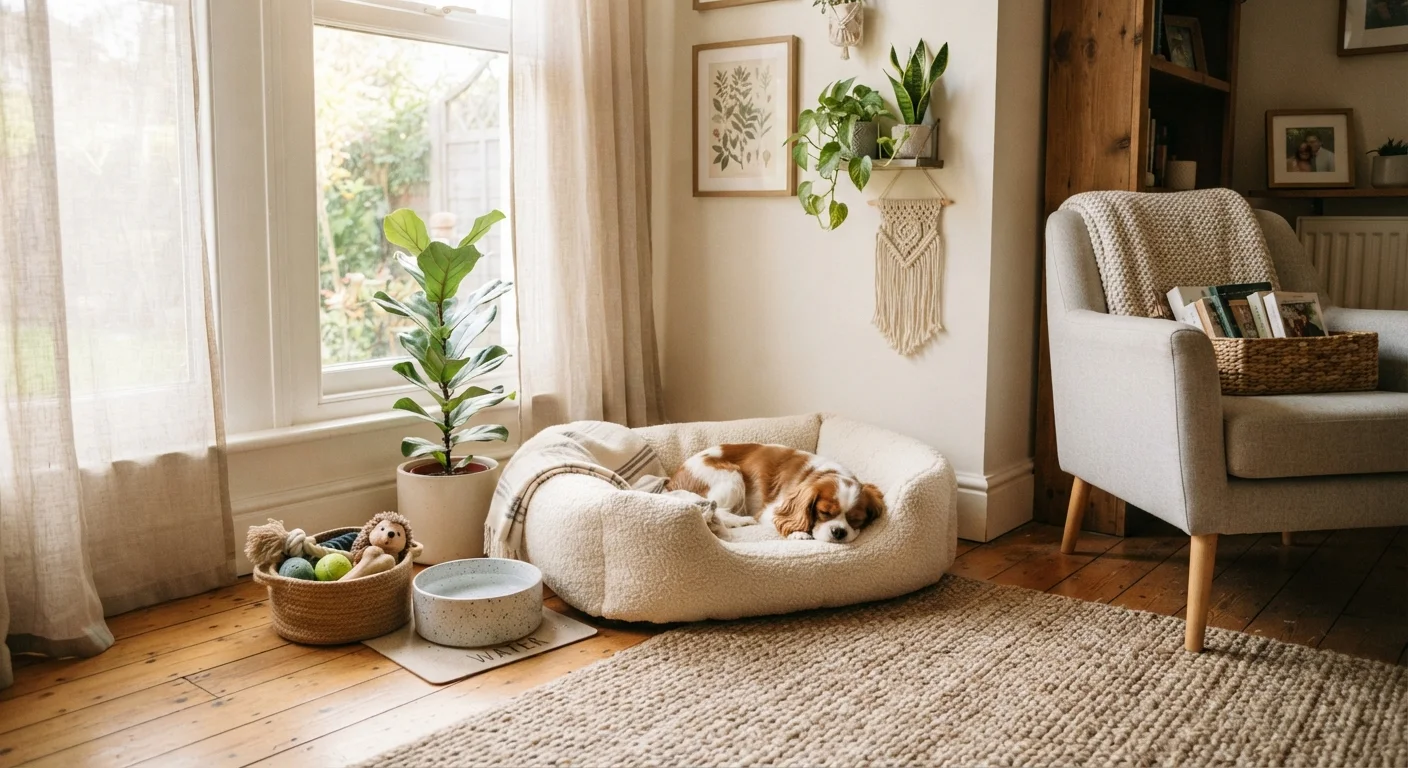
Photo credit: FindersGroove.com | Discover Important Information
In this article
A well-prepared environment reduces stress for both you and your pet. Follow these steps to create a welcoming, hazard-free home zone.
Key Takeaways
- Designate a quiet, low-traffic area as your pet's dedicated space before they arrive.
- Remove or secure household hazards like toxic plants, loose cords, and unsecured trash bins.
- Stock essential supplies - bedding, food and water bowls, and an appropriate hiding or resting spot.
- Introduce your pet to their space gradually to reduce stress and build confidence.
- A consistent setup supports the daily routines that help most pets feel secure.
Why the Right Environment Matters From Day One
Bringing a new pet home is exciting - but from your pet's perspective, it can be disorienting and stressful. Animals thrive on predictability and safety, and the physical environment you create plays a direct role in how quickly they settle in. A well-prepared space reduces anxiety-driven behaviors like hiding, destructiveness, or refusal to eat that many new owners encounter in the first days.
The setup steps below apply broadly to dogs, cats, and small animals, though some details vary by species. For a fuller picture of what the first week typically looks like, see our guide on what to expect in your first week with a new pet.
What you will need
Once your space is ready, the foundation for building a reliable daily routine - one of the most effective tools for long-term pet wellbeing - becomes much easier to establish.
Set Up Before Your Pet Arrives
Preparing your pet's space in advance - rather than after they come home - significantly reduces early stress. Pets are highly sensitive to new environments, and having a stable, ready space from the moment they walk in helps them acclimate more quickly. Do a full walk-through of your home at least 24 hours before their arrival.
What You'll Need
Before you start, gather the supplies that will make your pet's space functional and comfortable. Not every item is essential for every pet, but having the core supplies in place before your pet arrives avoids last-minute scrambling.
Pet bed or crate with soft bedding
Provides a dedicated, comfortable resting area that your pet can recognize as their own.
Food and water bowls
Appropriately sized, non-tip bowls placed in a consistent spot establish good feeding habits from day one.
Baby gates or exercise pen
Limits your pet's initial roaming area so they can adjust to a smaller, manageable space before exploring the full home.
Cord covers or cable organizers
Protects curious pets from chewing on electrical cords, reducing the risk of injury.
Species-appropriate enrichment toys
Keeps your pet mentally engaged and reduces stress-related behaviors during the adjustment period.
Enzymatic cleaner
Effectively removes pet odors and accidents without leaving chemical residues harmful to animals.
Common Household Items Can Be Toxic
Many everyday plants - including pothos, lilies, and sago palms - are toxic to dogs and cats. Cleaning products, certain human foods, and medications pose serious risks as well. Keep these out of reach and consult your veterinarian if you're unsure whether something in your home is safe.
Step-by-Step: Creating Your Pet's Space
Work through these steps in order. Each one builds on the last, so completing them before your pet arrives gives you the most benefit.
Choose a dedicated area for your pet
Select a quiet, low-traffic corner of your home where your pet will sleep, eat, and initially spend most of their time. Avoid high-footfall areas like hallways or near frequently used appliances. For dogs, a corner of a living room or bedroom often works well. For cats, an elevated or semi-enclosed spot gives a sense of security. Small animals like rabbits or guinea pigs need a stable, draft-free location away from direct sunlight.
Pet-proof the area thoroughly
Get down to your pet's level - literally - and scan for hazards. Secure or conceal electrical cords, remove toxic plants, store cleaning products in latched cabinets, and check that small objects they could swallow are off the floor. Pay particular attention to gaps behind furniture where a small pet could get stuck. See our guide to pet-proofing oversights for a detailed hazard checklist first-time owners frequently miss.
Set up bedding and a resting space
Place a bed, crate, or designated resting area in the spot you've chosen. The bedding should be washable and appropriately sized - your pet should be able to stretch out comfortably. If you're using a crate, introduce it as a positive, safe space rather than a confinement tool. Our crate training guide explains the right approach for dogs and puppies in particular.
Position food, water, and a litter or waste station
Set up food and water bowls in a consistent location within the pet's zone, away from their sleeping area. Cats and small animals benefit from having water positioned away from their food - many cats prefer a separate water source entirely. If you have a cat, place the litter box in a quiet, accessible spot that isn't adjacent to feeding areas. For dogs, identify the outdoor area you'll use for bathroom breaks before they arrive.
Add enrichment appropriate to your pet's species
Include at least one or two items that meet your pet's instinctive needs: a chew toy for a dog, a scratching post or perch for a cat, tunnels for a rabbit, or a foraging toy for a bird. Enrichment isn't optional - it directly affects behavior and stress levels. Learn more in our article on mental enrichment for pets and why it matters as much as physical activity.
Do a final walk-through and introduce your pet calmly
Before your pet comes home, do one final check: everything in place, hazards removed, bowls filled, bedding set. When you bring your pet in, let them explore their space at their own pace. Avoid overwhelming them with visitors or noise in the first 24-48 hours. A calm, quiet introduction builds the trust that makes everything easier going forward.
Use Familiar Scents to Ease Transition
If possible, ask the shelter or breeder for a small piece of bedding your pet has already used. Placing it in their new sleeping area provides a familiar scent anchor that can ease anxiety in the first few days. This is especially effective for puppies, kittens, and rescue animals.
For guidance on the wellness habits worth establishing in these early days, our article on building a wellness foundation from day one is a useful companion read.
This article provides general pet care information for educational purposes only. For health concerns or species-specific guidance, consult a licensed veterinarian.

Author
Pets & Animal Life Editorial Team
Pets & Animal Life Editorial Team is the collective byline for our editorial team and contributor network. Articles published under this byline or an editorial pen name are researched, written, and reviewed according to our editorial standards for clarity, consistency, and independence before publication.
View all articles →