
Buying Once Well vs. Replacing Cheaply: When Each Approach Makes Sense
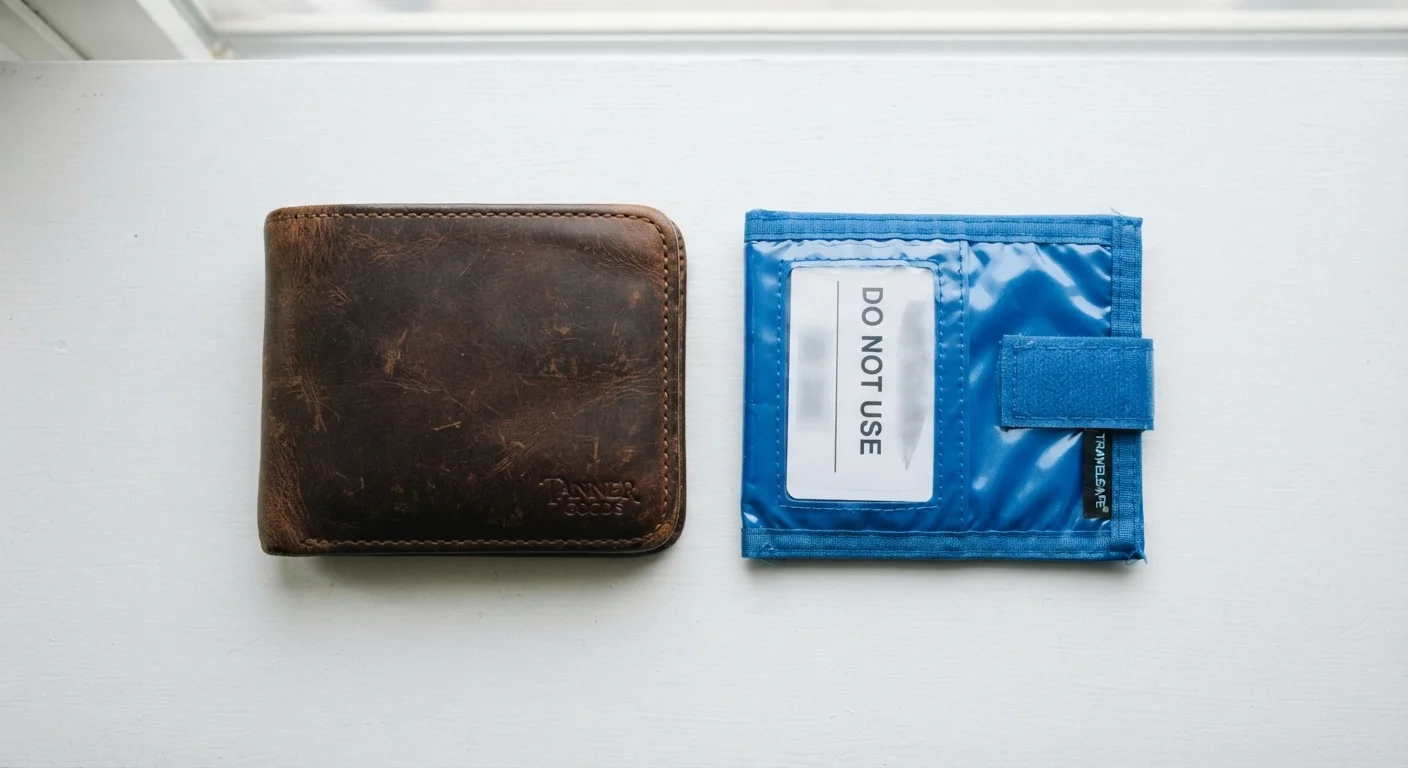
Photo credit: FindersGroove.com | Discover Important Information
In this article
The 'buy it for life' mindset has real merit — but not for everything. Explore when quality investment pays off and when it doesn't.
Key Takeaways
- Buying once and buying well makes sense for durable, high-use items where quality directly affects performance or safety.
- Cheap replacements are rational for items with short useful lives, fast-changing specs, or low consequence if they fail.
- Cost-per-use is a more honest metric than sticker price when evaluating long-term value.
- Neither approach is universally correct - the right choice depends on your habits, budget, and how you actually use the item.
- Sunk cost and marketing pressure are the two biggest traps that distort this decision for most buyers.
The Core Tension: Upfront Cost vs. Total Cost
Every shopper eventually runs into the same fork in the road: spend more now for something built to last, or spend less and accept you'll be replacing it sooner. Both paths have real logic behind them - and both can go badly wrong if applied without thinking.
The "buy it for life" mindset, popularized by communities devoted to heirloom tools and lifetime-warranty goods, rests on a solid financial principle: a higher upfront cost can produce a lower cost-per-use over time. A $200 item used daily for ten years costs roughly $0.05 per use. A $30 version that lasts eighteen months costs about $0.06 per use - and requires you to shop again, box up the old one, and form new habits. That friction has value most price comparisons ignore.
But the inverse is equally true. Spending $200 on something you use twice a year, or something whose ideal version changes every product cycle, is a poor allocation of finite dollars. Understanding which category a purchase falls into is the actual skill - not defaulting to either philosophy wholesale. See our breakdown of price vs. value for a deeper look at how this math plays out across categories.
When Buying Once, Buying Well Makes Sense
Quality investment pays off most reliably when three conditions overlap: the item sees frequent, repeated use; its performance degrades in ways you'll actually notice; and the failure mode carries real consequence - to your comfort, safety, or productivity.
- Daily-use hand tools and cookware: A well-made chef's knife or cast-iron pan can outlast a dozen cheap alternatives. The difference in cooking performance is tangible, and the cost-per-use math strongly favors durability.
- Footwear worn regularly: Cheap soles compress and fail fast. Quality construction supports your feet over years and can often be resoled rather than discarded.
- Safety equipment: Helmets, harnesses, car seats, and work boots are categories where material quality and manufacturing precision directly affect injury outcomes. This isn't a place to optimize for sticker price.
- Foundational wardrobe pieces: A well-constructed wool coat or sturdy denim worn regularly amortizes its cost far better than a fast-fashion equivalent that pills and distorts after a season.
The challenge of identifying genuine quality is worth taking seriously here - premium price doesn't automatically mean premium construction.
Use Cost-Per-Use, Not Sticker Price
Before dismissing a higher-priced item as unaffordable, divide its price by the realistic number of times you'll use it over its lifespan. Then do the same for the cheaper option - including replacement cycles. The number that results is more honest than the tag on the shelf. This single calculation shifts most purchase decisions in a more rational direction.
When Replacing Cheaply Is the Rational Choice
The case for cheap-and-replaceable is strongest when the item's useful life is inherently short, when the technology or trend is moving faster than any single purchase can track, or when your usage is genuinely infrequent.
| Buy Once, Buy Well | Replace Cheaply | |
|---|---|---|
| Best for | High-frequency, long-lifespan items | Low-frequency or fast-evolving items |
| Upfront cost | Higher | Lower |
| Cost-per-use over time | Often lower | Often higher |
| Risk if wrong | Overspent on unused quality | Repeated replacement friction and cost |
| Works well for safety gear | Yes - strongly preferred | No - not appropriate |
| Works well for trend items | Rarely - trends expire | Yes - limits downside risk |
| Cash flow impact | High upfront burden | Spread over time, easier short-term |
- Consumer electronics with fast upgrade cycles: Midrange smartphones, earbuds, and fitness trackers evolve quickly. Overspending on flagship hardware that's superseded within two years is a poor use of capital compared to buying a capable, affordable option and replacing it when it becomes limiting.
- Trend-driven fashion: If you genuinely enjoy participating in fashion cycles, cheap pieces allow experimentation without regret. A $20 top that gets worn six times and donated is more financially honest than a $120 version of a trend you're not sure about.
- Rarely used specialty items: A tool you'll use once for a single project doesn't need to be built for a lifetime. The cheap version - or a rental - is objectively the right call.
- Items where standards change: Some categories, like certain baby gear or medical devices, have safety and certification standards that evolve. A decade-old "quality" item may no longer meet current guidelines.
The Two Traps That Distort the Decision
Two cognitive patterns push buyers toward the wrong choice more than any other factor.
Sunk cost rationalization keeps people replacing a cheap item over and over rather than absorbing the real cost of upgrading - because each individual replacement feels small. Tracked over five years, the cumulative spend often exceeds what the durable version would have cost. Running a simple running total on any frequently replaced item is a useful reality check.
Marketing-driven "investment" framing works in the opposite direction: premium branding convinces buyers that any expensive purchase is automatically wise. Luxury goods, designer collaborations, and aspirational lifestyle products often carry price premiums that reflect status rather than durability. Paying $400 for a branded basic when a $60 equivalent performs identically isn't investing - it's a different kind of impulse buy.
Before committing to either path, use our pre-purchase checklist to separate genuine need from pressure. And for a broader framework on how purchases fit into a spending philosophy, see our guide on building a values-based approach to spending.
Expensive Doesn't Always Mean Durable
Premium branding and high prices are not reliable proxies for construction quality or longevity. Some expensive items are priced for their label, not their materials or manufacturing. Before assuming a high price signals durability, look for independent product testing, material specifications, warranty terms, and user reviews that specifically address long-term performance - not just initial impressions.
A Simple Decision Framework
Rather than rules, use questions. Before any significant purchase, ask:
- How often will I actually use this? Daily use changes the math fundamentally compared to occasional use.
- What happens when it fails? If failure is inconvenient but low-stakes, durability is less critical. If failure is dangerous or disruptive, quality floors go up.
- What's the realistic useful life of even the best version? If the category evolves fast, a shorter lifespan expectation changes what "quality" is worth paying for.
- Can I absorb the upfront cost without financial strain? Buying the durable version on a credit card you'll carry a balance on may cost more than the cheap replacements over time. Cash flow matters.
The full lifecycle of a purchase - including where it ends up when you're done - is worth factoring in too, particularly for categories with significant environmental footprint.
~$18,000
Average annual US household spending on goods
According to the U.S. Bureau of Labor Statistics Consumer Expenditure Survey, American households spend substantially on physical goods - making purchase strategy a meaningful financial lever.
3-5x
Lifespan advantage of quality footwear
Consumer durability research consistently shows well-constructed footwear lasts three to five times longer than budget alternatives under equivalent use conditions.
This article is for general informational and educational purposes only and does not constitute financial or consumer advice. For decisions involving significant financial commitments, consider consulting a qualified financial professional.

Author
Smart Shopping Editorial Team
Smart Shopping Editorial Team is the collective byline for our editorial team and contributor network. Articles published under this byline or an editorial pen name are researched, written, and reviewed according to our editorial standards for clarity, consistency, and independence before publication.
View all articles →