
Why 'Invest in Quality' Is More Complicated Than It Sounds
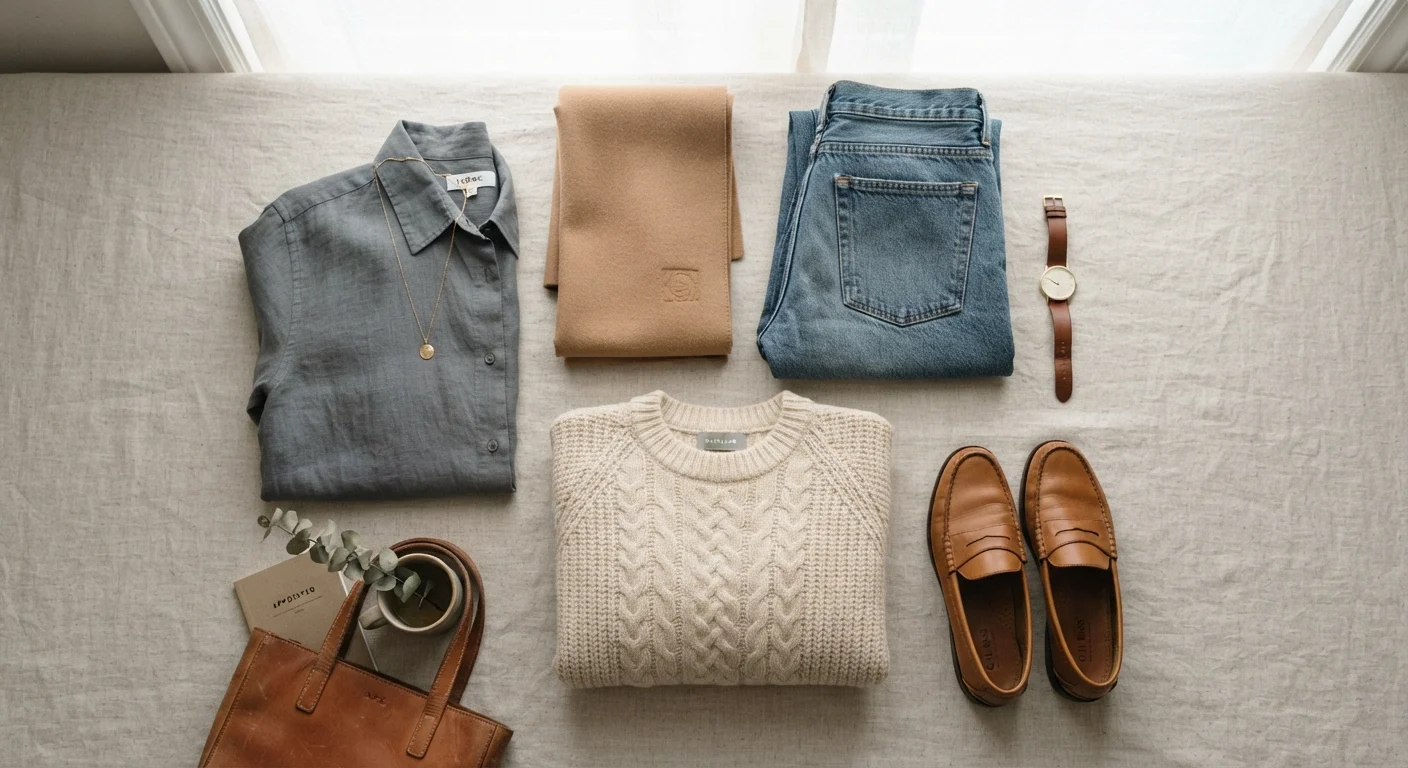
Photo credit: FindersGroove.com | Discover Important Information
In this article
The advice to buy fewer, better things sounds simple — but quality is harder to identify than price tags suggest. Here's what to look for and what to skip.
Key Takeaways
- Price alone is a poor proxy for quality - marketing heavily inflates what you pay.
- True quality indicators include fabric composition, construction details, and how a garment wears over time.
- Investing in quality makes sense for high-use items, but isn't a universal rule for every category.
- Versatility and personal wearability matter just as much as material or craftsmanship.
- A thoughtful pre-purchase approach beats both impulsive splurging and reflexive bargain-hunting.
The Advice Sounds Simple - Until You're Standing in a Store
"Invest in quality" is one of those phrases that sounds like wisdom until you actually try to act on it. What counts as quality? How do you spot it? And does a higher price tag reliably deliver it? The answer to that last question is often no - and that's where the advice starts to fray.
The problem isn't the principle. Buying fewer, more durable pieces rather than constantly replacing cheaply made ones is genuinely sound thinking. The challenge is that quality has become a marketing term as much as a material one. Understanding what it actually means gives you real power as a shopper. For a broader look at how to shop with financial intention, the Value-Based Shopping guide is a great place to start.
Myth
If something costs more, it must be better quality.
Fact
Price reflects many factors - branding, marketing, and retail markup - not just construction or materials.
A garment's retail price includes far more than its fabrication cost. Advertising campaigns, wholesale margins, celebrity endorsements, and flagship store overhead all get folded into what you pay. Research in consumer behavior consistently shows that perceived quality and actual quality often diverge - especially in fashion, where branding does significant heavy lifting. A mid-range item with solid construction can easily outperform a luxury-priced one with thin fabric and weak seams.
Myth
Synthetic fabrics are always lower quality than natural fibers.
Fact
Fabric performance depends on the specific material, its weight, weave, and intended use - not just whether it's synthetic or natural.
This is one of the most durable myths in fashion. While low-grade polyester has a deservedly poor reputation, high-performance synthetics like ripstop nylon or technical merino blends are engineered for durability, moisture management, and longevity. Similarly, not all natural fibers are equal - thin cotton lawn and heavy canvas are both cotton, but behave very differently. Evaluate fabric by its specific properties and your intended use, not by a blanket category judgment.
Myth
Buying fewer, more expensive pieces always saves money long-term.
Fact
Cost-per-wear math only works if you actually wear the item consistently - versatility and fit matter as much as durability.
The cost-per-wear calculation is genuinely useful, but it has a hidden assumption: that you'll wear the item frequently over time. An expensive piece in a silhouette that doesn't suit you, or a fabric that requires dry cleaning you'll never do, accrues no savings at all. Quality investment pays off when the item fits your life as it actually is - not as you imagine it might be.
Myth
You can always tell quality by how a garment looks on a hanger or in photos.
Fact
Construction quality is best evaluated by touch, wear, and close inspection - not appearance alone.
Photographs and even first impressions can be deceiving. Some items photograph beautifully but feel stiff or scratchy; others look simple but drape perfectly and improve with washing. When evaluating clothing in person, check stitching at stress points like underarms and pockets, tug gently at seams to test their give, and look at the interior finishing - raw, unfinished edges often signal shortcuts in production.
What Actually Signals Quality in Clothing
Once you move past price, a few concrete clues help identify genuinely well-made pieces. Fabric composition is a reliable starting point - natural fibers like cotton, wool, and linen tend to breathe better and age more gracefully than many synthetics, though blends can perform well depending on construction. Check the care label: a garment that requires elaborate upkeep may not survive real life.
Construction details tell a story too. Look at stitching density (tighter is generally more durable), whether patterns match at seams, how buttons are reinforced, and whether hems have enough fabric to be let down. These are signals that a manufacturer invested in construction - not just marketing imagery.
That said, context matters enormously. A well-constructed linen blazer is worth more per wear if you'll actually wear it. If it sits in your closet because the fit isn't quite right or the style doesn't suit your life, it was never a quality investment - it was just an expensive one. Before any significant purchase, running through a structured checklist can save you from that trap: use this pre-purchase checklist to separate genuine need from impulse.
3x
Lifespan difference: well-made vs. fast fashion equivalent
Industry estimates from fashion sustainability researchers suggest quality garments can last three or more times longer than fast-fashion counterparts when properly maintained.
~$1,800
Average annual US clothing spend per person
According to U.S. Bureau of Labor Statistics Consumer Expenditure data, American households spend roughly this amount on apparel annually - making intentional decisions high-impact.
When 'Invest in Quality' Earns Its Advice - and When It Doesn't
The smartest approach to quality spending is selective. High-use, high-visibility items - think everyday denim, a go-to jacket, work footwear - are strong candidates for the quality-over-quantity principle. You'll wear them constantly, and durability compounds into real cost savings over time. The price vs. value distinction is worth understanding here: a $120 item worn 150 times outperforms a $40 item worn 15 times.
But not every category rewards the same logic. Trend-driven pieces, occasion wear you'll use rarely, or items in a size or style you're still experimenting with - these are often better bought affordably. The 'buy once well' vs. replace cheaply framework explores exactly when each approach makes real sense.
Be wary too of common shopping pitfalls like prestige branding disguised as quality cues, or bundle pricing that makes a mediocre item feel like a deal. Intentional purchasing - grounded in your actual habits and wardrobe gaps - is the foundation of any quality-first approach. Explore habits that support this mindset through the Mindful Purchasing hub.
This article is for general informational purposes only and does not constitute financial or purchasing advice tailored to your individual circumstances.

Author
Style & Beauty Editorial Team
Style & Beauty Editorial Team is the collective byline for our editorial team and contributor network. Articles published under this byline or an editorial pen name are researched, written, and reviewed according to our editorial standards for clarity, consistency, and independence before publication.
View all articles →