
The Full Lifecycle of a Purchase: Thinking Beyond the Transaction
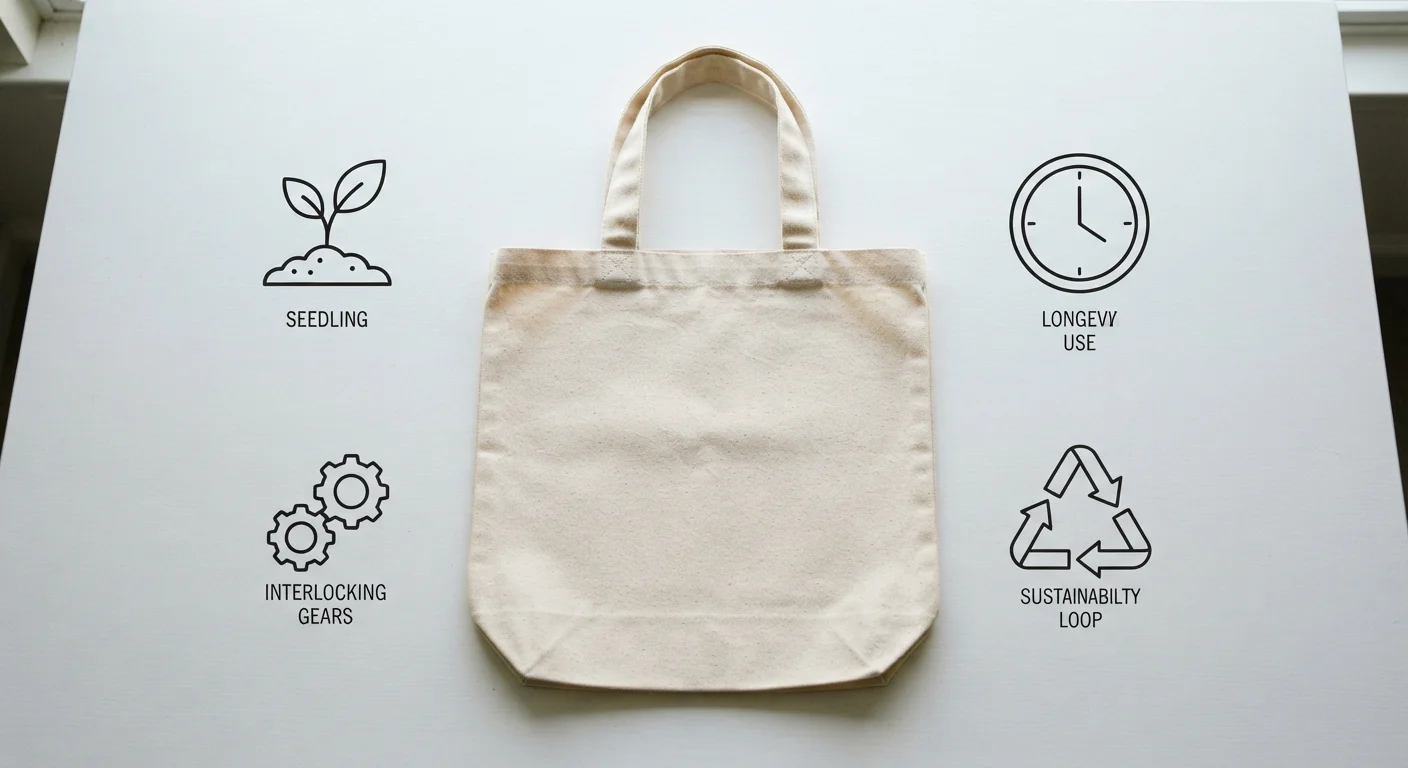
Photo credit: FindersGroove.com | Discover Important Information
In this article
Mindful purchasing means considering where something comes from, how long it lasts, and where it ends up — not just whether you can afford it.
Key Takeaways
- A purchase's true cost includes production, maintenance, and disposal - not just the sticker price.
- Evaluating how long you'll actually use something is one of the most reliable ways to avoid regret.
- End-of-life planning - resale, repair, recycling - is part of responsible ownership, not an afterthought.
- Marketing often targets the transaction moment; lifecycle thinking shifts focus to total value.
- Slowing down before buying gives you space to assess all three stages honestly.
Why the Transaction Is the Smallest Part
Most purchasing decisions are evaluated at a single moment: the checkout. Can I afford this right now? Is it on sale? Do I want it? These are reasonable questions, but they frame spending as a single event rather than a process that stretches across months or years.
Mindful purchasing - sometimes called conscious consumption - shifts that frame. It treats a purchase as a lifecycle: something with a past (how it was made), a present (how you'll use it), and a future (where it ends up). Each phase carries real consequences for your wallet, your time, and the environment.
Understanding these stages doesn't mean every purchase has to become a research project. It means building a mental habit that asks slightly bigger questions - and over time, making fewer decisions you regret.
72%
Shoppers reporting post-purchase regret
A widely cited consumer survey finding suggests nearly three-quarters of shoppers experience regret after impulsive or under-researched purchases.
5-10×
Cost difference: repair vs. replace
Industry repair data frequently shows that extending a product's life through maintenance costs a fraction of full replacement, depending on the category.
Less than 20%
Electronics recycled globally
According to UN Environment Programme estimates, only a small fraction of e-waste is formally collected and recycled each year worldwide.
Stage 1: Before You Buy - Origins and Production
Before a product reaches a shelf, it has already consumed resources: raw materials, energy, labor, and supply chain logistics. Most of that is invisible at the point of sale. But it matters, particularly when you're evaluating whether a price point is realistic or suspiciously low.
A low price can reflect genuine efficiency - or it can reflect corners cut on materials, worker pay, or environmental standards. Neither interpretation is automatic, but greenwashing and vague sustainability claims make it harder to distinguish one from the other. Learning to read beyond marketing language is a practical skill, not just an ethical one.
Useful pre-purchase questions include: How is this typically made, and do stated materials match the price? Does the manufacturer offer repair support or a meaningful warranty? Is this category known for durability, or is planned obsolescence common?
Before buying, search '[product category] repairability' or '[brand] warranty claims' in forums. Real-world repair experiences from owners reveal durability far more honestly than spec sheets.
Manufacturer descriptions are written to sell; community repair forums reflect actual ownership experience over time.
For any purchase over $100, write down your expected use frequency before buying - then revisit that note six months in. The gap between prediction and reality is usually instructive.
Research on affective forecasting consistently shows people overestimate how often they'll use new items, particularly hobby or fitness equipment.
For consumer electronics specifically, the production and recycling journey of a device reveals just how resource-intensive these goods are - which is worth factoring into upgrade frequency.
Stage 2: The Ownership Phase - Use, Maintenance, and Value
This is the phase most people implicitly evaluate - but often inaccurately. We tend to overestimate how frequently we'll use something and underestimate ongoing costs like maintenance, accessories, storage, and replacement parts.
A practical corrective is cost-per-use thinking: divide the total cost of ownership by how many times you'll realistically use it. A $200 item used 400 times costs $0.50 per use. The same item used 20 times costs $10 per use. That math changes the calculus on both cheap, single-use purchases and expensive, well-made ones.
Honest Use Frequency Is Everything
Before committing to a purchase, try to name specifically when and how often you'll use it - not in general terms, but in concrete scenarios. 'I'll use this every Tuesday and Thursday morning' is a testable prediction. 'I'll use it all the time' is not. The specificity test often reveals whether the use case is real.
Ownership phase questions worth asking: Does this require ongoing consumables or subscriptions? Will I maintain it, or is upkeep likely to lapse? If it breaks, is repair realistic - or will I replace it? When buying once at higher quality genuinely pays off depends heavily on honest answers to these questions.
Stage 3: End of Life - Disposal, Resale, and Responsibility
Most purchases eventually leave your possession. How they leave - resold, donated, recycled, or landfilled - is rarely considered at the moment of buying, yet it has meaningful consequences.
Resale value is a legitimate financial factor. Some categories (certain tools, furniture, sporting equipment) retain value well in secondhand markets; others depreciate rapidly. If you're spending significantly, knowing the resale floor can reduce your net cost if circumstances change.
For goods that can't be resold, responsible disposal often requires effort: electronics recycling programs, textile drop-offs, hazardous material collection. Factoring in that effort - or the guilt of skipping it - is part of honest lifecycle accounting.
Disposal Is Not Optional - Plan for It
Many consumers discover at end of life that certain items - electronics, mattresses, certain paints and chemicals - require specific disposal methods that can take real time and effort to arrange. Before purchasing items in these categories, verify what responsible disposal looks like in your area. Municipalities vary significantly in what they accept and when.
End-of-life thinking also discourages overconsumption more directly than price-consciousness alone. If you know something will be difficult to dispose of responsibly, that's a legitimate reason to question whether you need it in the first place.
Putting It Together: A Practical Decision Framework
Lifecycle thinking doesn't demand perfection. It's a mental habit that improves with use. A few practical anchors help make it actionable without turning every purchase into an ordeal.
- Pause before non-essentials. Even a short delay helps separate genuine need from impulse. A structured waiting period is one way to test whether desire is durable.
- Ask three lifecycle questions. Where did this come from (and does that align with what I'm willing to pay)? How long and how often will I actually use it? What happens when I'm done with it?
- Build a spending philosophy. Individual purchase decisions are easier when they're grounded in broader values. Defining your own spending philosophy turns reactive buying into intentional choice.
The goal isn't to buy less for its own sake - it's to buy with more information, so what you bring into your life is genuinely worth having. Value-based shopping and consumer awareness are two complementary lenses that make that possible.
“The real price of anything is the amount of life you exchange for it.”
— Henry David Thoreau, Author and philosopher, 'Walden' (1854)
This article is for general informational purposes only and does not constitute financial advice. For decisions about your personal finances, consider consulting a qualified financial professional.

Author
Smart Shopping Editorial Team
Smart Shopping Editorial Team is the collective byline for our editorial team and contributor network. Articles published under this byline or an editorial pen name are researched, written, and reviewed according to our editorial standards for clarity, consistency, and independence before publication.
View all articles →