
How Sleep and Mental Health Influence Each Other
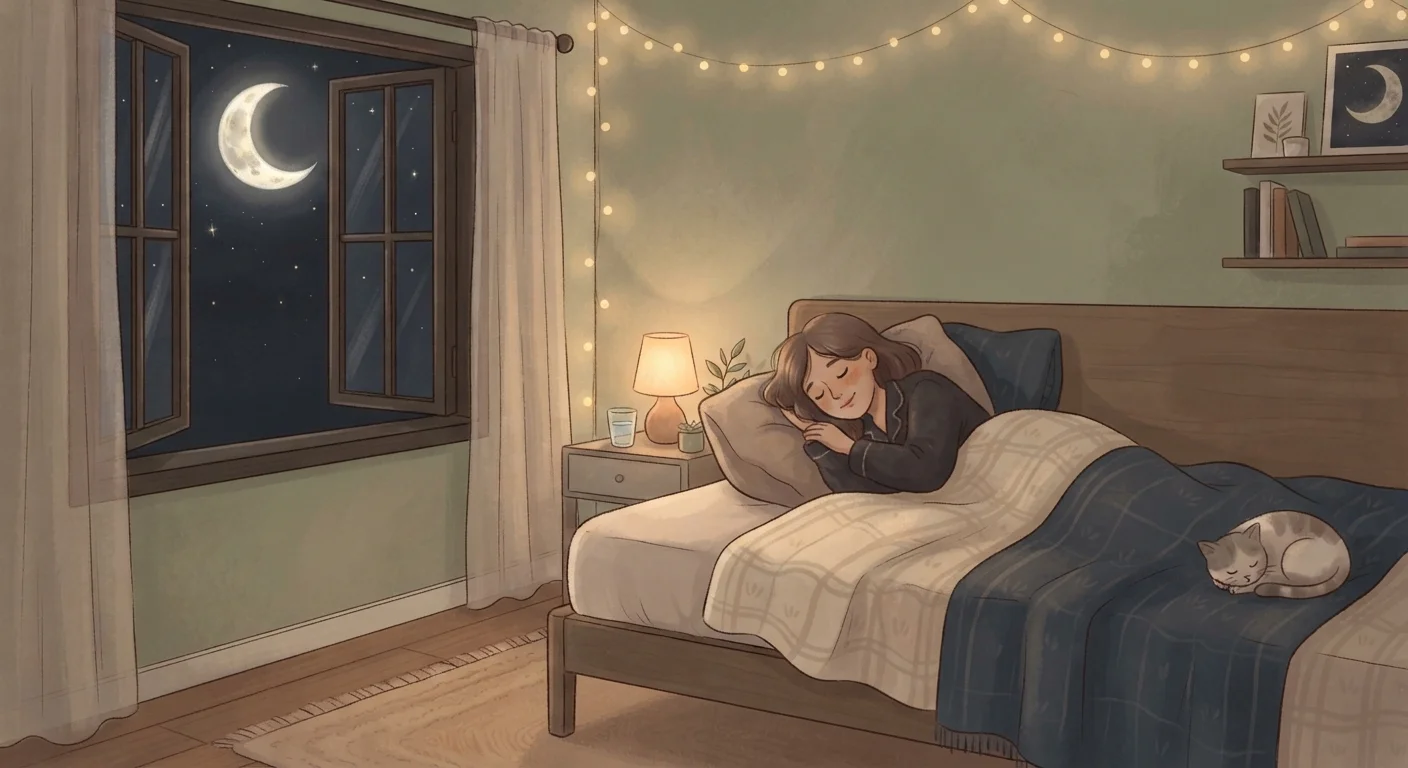
Photo credit: FindersGroove.com | Discover Important Information
In this article
Sleep affects mood, cognition, and emotional regulation — and mental health affects sleep quality in return. Here's how the cycle works.
Key Takeaways
- Sleep deprivation directly impairs emotional regulation, decision-making, and stress tolerance.
- Mental health conditions like anxiety and depression frequently disrupt sleep onset and quality.
- The sleep-mental health cycle is bidirectional - improving either one can positively affect the other.
- Consistent sleep habits are a legitimate, everyday mental wellness practice.
- Anyone noticing persistent sleep disruption tied to mood changes should speak with a healthcare provider.
Why Sleep Is a Mental Health Issue
Most of us have felt the emotional fallout of a bad night's sleep - the irritability, the brain fog, the way small frustrations feel suddenly enormous. That's not coincidence. Sleep is when your brain consolidates memories, processes emotional experiences, and essentially resets its regulatory systems for the next day.
Research in sleep neuroscience consistently shows that the prefrontal cortex - the brain region responsible for rational thinking and impulse control - is particularly vulnerable to sleep loss. When it's underperforming, the amygdala (the brain's threat-detection center) becomes hyperreactive. In plain terms: you're more likely to feel overwhelmed and less equipped to manage it. This is directly tied to emotional regulation, the everyday skill of navigating feelings without being ruled by them.
Framing sleep as a mental wellness practice - not just a physical health habit - shifts how we prioritize it. It belongs in the same conversation as therapy, journaling, or movement.
7-9 hrs
Recommended nightly sleep for most adults
According to the American Academy of Sleep Medicine and the Sleep Research Society, consistently sleeping less than 7 hours is associated with increased mental health risks.
~30%
Adults with insomnia who also have depression
Studies estimate that roughly 30% of people with insomnia meet criteria for a depressive disorder, highlighting the strong overlap between these conditions.
2x
Elevated anxiety risk with chronic poor sleep
Research published in sleep and psychiatry journals suggests chronic sleep deprivation can roughly double the likelihood of experiencing clinically elevated anxiety symptoms.
How Mental Health Disrupts Sleep
The relationship doesn't only run one way. Anxiety, depression, PTSD, and other mental health conditions are among the most common drivers of sleep disruption. Anxiety tends to produce hyperarousal - a state where the nervous system stays alert, making it hard to fall asleep or stay asleep. Depression often alters sleep architecture, leading to fragmented rest or sleeping too much without feeling restored.
Rumination - the habit of replaying worries or negative experiences - is particularly disruptive at bedtime, when external distractions disappear. For many people, the mental quiet of night actually amplifies distress rather than easing it.
It's also worth noting that some factors worsen both sleep and mental health simultaneously. Social media use late at night, for example, can increase anxiety while also suppressing the melatonin needed for sleep onset. Similarly, certain tech habits chip away at sleep quality in ways that aren't always obvious.
Try a Simple Wind-Down Routine
A consistent pre-sleep routine doesn't need to be elaborate. Even 20-30 minutes of low-stimulation activity - reading, light stretching, or quiet breathing - signals to your nervous system that it's time to shift gears. Keeping it consistent matters more than keeping it perfect. Small, repeatable habits compound over time.
Breaking the Cycle: What the Evidence Supports
Because the sleep-mental health relationship is bidirectional, there are multiple entry points for improving both. You don't have to resolve your anxiety before you can sleep better - and you don't have to sleep perfectly before working on emotional well-being. Small, consistent actions in either direction create positive momentum.
Cognitive Behavioral Therapy for Insomnia (CBT-I) is one of the most well-researched interventions for sleep problems and has also shown benefits for mood. It focuses on restructuring sleep-disrupting thoughts and behaviors, rather than relying on medication. Mindfulness-based practices have similarly shown promise for both sleep quality and emotional regulation in peer-reviewed research.
Everyday habits matter too. Consistent sleep and wake times - even on weekends - help stabilize your body's internal clock. Physical activity during the day supports deeper sleep and reduces anxiety. A simple wind-down routine signals to your nervous system that the day is ending.
“Sleep is not a passive state - it is an active, essential process during which the brain performs critical maintenance on emotional and cognitive systems. Treating it as optional undermines nearly every other health goal.”
— Matthew Walker, Professor of Neuroscience and Psychology, University of California, Berkeley; author of research on sleep science
For a broader foundation, understanding the language of mental health can help you make sense of what you're experiencing and communicate it more clearly with a care provider.
This article is for general informational and educational purposes only and is not a substitute for professional medical or mental health advice. If you're experiencing persistent sleep difficulties or mental health concerns, please consult a qualified healthcare provider.
Frequently Asked Questions

Author
Health & Wellness Editorial Team
Health & Wellness Editorial Team is the collective byline for our editorial team and contributor network. Articles published under this byline or an editorial pen name are researched, written, and reviewed according to our editorial standards for clarity, consistency, and independence before publication.
View all articles →