
Blue Light and Sleep: Separating the Evidence from the Hype
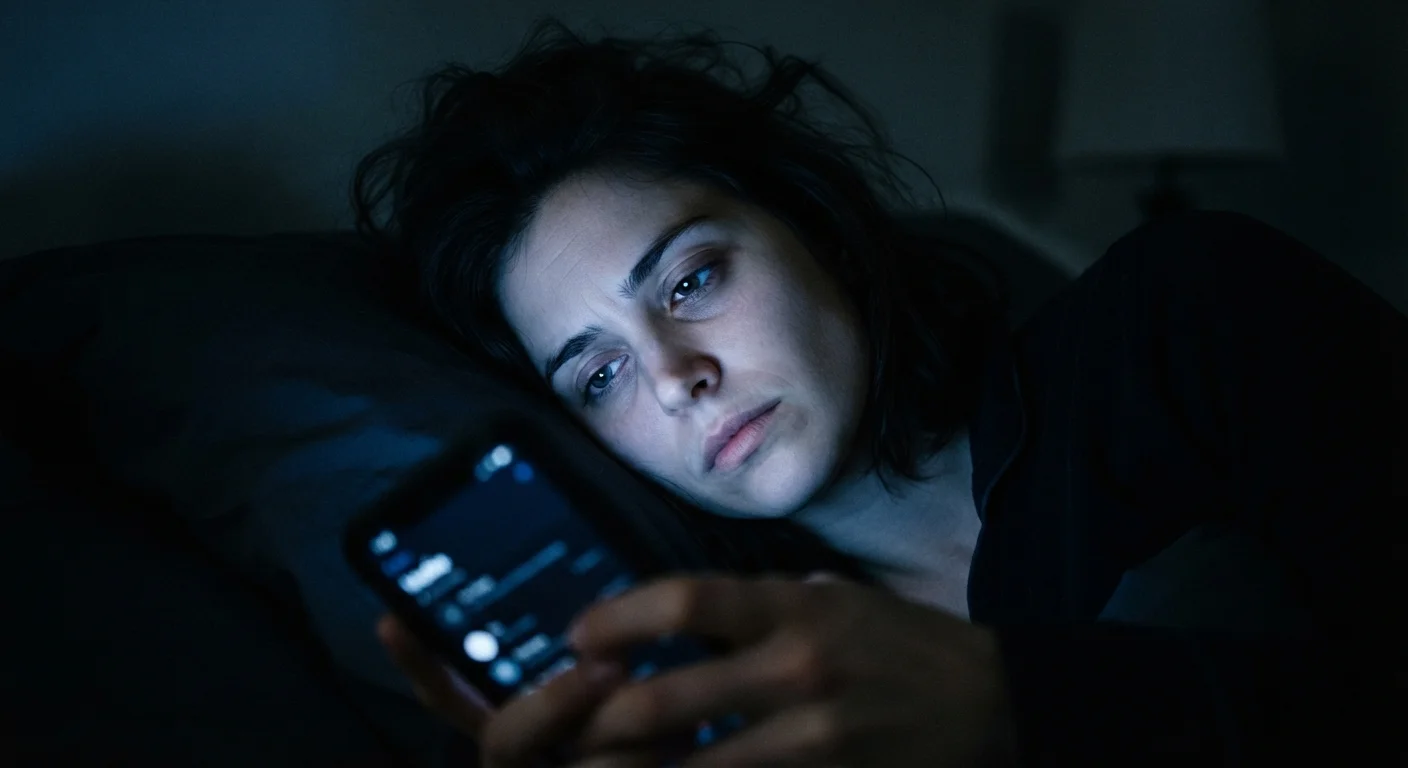
Photo credit: FindersGroove.com | Discover Important Information
In this article
Blue light blocking glasses and night modes are everywhere. Here's what the current research actually says about screens and sleep disruption.
Key Takeaways
- Blue light is one sleep disruptor among many - mental stimulation from content matters just as much.
- Night mode and blue light glasses have limited, inconsistent support in peer-reviewed sleep research.
- Melatonin suppression from screens is real but may be overstated compared to other behavioral factors.
- Timing and screen use habits are more reliably linked to poor sleep than screen brightness or color temperature.
- Building a consistent pre-sleep wind-down routine is better supported by evidence than hardware fixes alone.
Why Blue Light Became the Villain
Somewhere between the launch of the first iPhone and the explosion of sleep-tracking apps, blue light became shorthand for everything wrong with our relationship to screens at night. The story is seductive in its simplicity: screens emit blue-wavelength light, blue light suppresses melatonin (the hormone that signals sleepiness), and therefore screens are destroying your sleep.
That chain of logic has genuine scientific footing - but it's been stretched far beyond what the evidence comfortably supports. Melatonin suppression is a documented response to light exposure, particularly light in the 460-480 nanometer range (what we call blue light). Lab studies have confirmed this. But a lab exposure to bright, controlled blue light is a long way from scrolling Instagram in a dimly lit bedroom for 20 minutes.
The nuance that gets lost in marketing for blue-light glasses and night mode features: screens are not the only source of evening light exposure, and light is not the only mechanism by which screens interfere with sleep. Behavioral patterns around device use - alerting notifications, emotionally activating content, the simple act of keeping your brain cognitively engaged - all carry sleep costs that no filter can fix.
Common Myths - and What the Research Actually Shows
Several misconceptions have hardened into conventional wisdom. Here's where the evidence actually lands.
Myth
Blue light blocking glasses will meaningfully improve your sleep if you wear them in the evening.
Fact
Current randomized controlled trials show mixed and generally small effects; the evidence does not consistently support blue light glasses as an effective sleep intervention.
A 2021 review published in Sleep Medicine Reviews found that while some participants reported subjective improvements, objective sleep measures - sleep onset latency, total sleep time, and sleep efficiency - did not show consistent, significant improvement from blue-light-filtering lenses. The placebo effect may account for part of the perceived benefit. That doesn't mean glasses are useless, but they shouldn't be treated as a reliable fix for sleep problems.
Myth
Night mode (warm-toned screen settings) is scientifically proven to protect your sleep.
Fact
Night mode reduces blue light emission, but studies have not demonstrated that this reliably translates into better sleep outcomes in real-world use.
A frequently cited 2021 study from the University of Manchester actually suggested that yellow-tinted light might be more disruptive to the circadian clock in mice than cooler, blue-tinted light of equivalent brightness - a counterintuitive finding that illustrates how incomplete our understanding still is. Night mode may reduce eye strain and feel more comfortable, but the sleep-protective benefit in humans under normal screen-use conditions remains unproven.
Myth
Screens before bed are the primary cause of poor sleep in young adults.
Fact
Poor sleep in young adults is multi-factorial; irregular schedules, caffeine, stress, and anxiety are at least as impactful as evening screen exposure.
Large-scale observational studies consistently show that sleep quality correlates with a cluster of behaviors and conditions, not a single cause. Evening screen use does appear in this picture, but so does chronotype (your natural sleep-wake preference), social obligations, work schedules, and mental health. Attributing poor sleep primarily to blue light oversimplifies what is a genuinely complex system. Treating only one variable is unlikely to produce meaningful results if others go unaddressed.
Myth
Any screen use after sunset is damaging to your sleep.
Fact
Context, duration, content type, and ambient light levels all influence whether evening screen use affects sleep - it is not a blanket harm.
Reading a text document at low brightness in a well-lit room is physiologically different from watching high-contrast video content in a dark room with your face six inches from the display. Proximity to the screen, screen brightness relative to the room, and how cognitively activating the content is all shape the response. The binary framing - any screen use is bad - is not what the research supports.
Myth
Melatonin suppression from a phone screen will keep you awake for hours.
Fact
The magnitude of melatonin suppression from typical phone use at typical distances and brightness levels is modest and likely shorter-lived than popular accounts suggest.
Dramatic melatonin suppression in research settings typically involves bright, sustained light exposure - often much brighter than the ambient output of a phone held at arm's length in a dim room. Real-world suppression is real but proportionally smaller. The behavioral effects of engaging content (increased alertness, emotional arousal, cognitive stimulation) may persist longer and matter more for sleep onset than the photobiological effect of the screen's light spectrum alone.
~30%
Adults reporting insufficient sleep in the US
According to the CDC, roughly 1 in 3 American adults report getting less than the recommended amount of sleep - a statistic driven by many overlapping factors.
~10 min
Average sleep-onset delay linked to pre-bed screen use in meta-analyses
A 2014 meta-analysis in PLOS ONE estimated screen-based media use delayed sleep onset by an average of around 10 minutes - notable, but far from the catastrophic effect often implied.
What Actually Helps
If you're serious about protecting your sleep, the strongest evidence points to behavioral strategies over hardware solutions. Consistent sleep and wake times, reducing cognitively stimulating content in the hour before bed, and keeping screens out of the sleep environment are all better-supported interventions than buying filtered lenses.
That said, if night mode makes your screen more comfortable to look at or signals to your brain that it's time to wind down, there's no harm in using it - just don't rely on it as a substitute for the habits that matter more. And if you use a fitness tracker to monitor your sleep, understand what those numbers can and cannot tell you before drawing firm conclusions.
It's also worth distinguishing between how much time you spend on screens and how you use that time. Passive scrolling and purposeful use affect the brain differently, and raw screen-time totals can obscure more than they reveal.
Don't Replace Habits With Hardware
Blue light glasses and night mode are not substitutes for consistent sleep schedules, managing stress, and limiting alerting notifications before bed. If you're spending money on sleep-related tech products while ignoring behavioral fundamentals, you're likely optimizing the wrong variable. Understand what a digital detox can and cannot do before making bigger changes to your device habits.
This article is for general informational purposes only and does not constitute medical advice. If you are experiencing persistent sleep difficulties, please consult a qualified healthcare professional.

Author
Tech & Gadgets Editorial Team
Tech & Gadgets Editorial Team is the collective byline for our editorial team and contributor network. Articles published under this byline or an editorial pen name are researched, written, and reviewed according to our editorial standards for clarity, consistency, and independence before publication.
View all articles →