
Building a Skincare Routine from Scratch
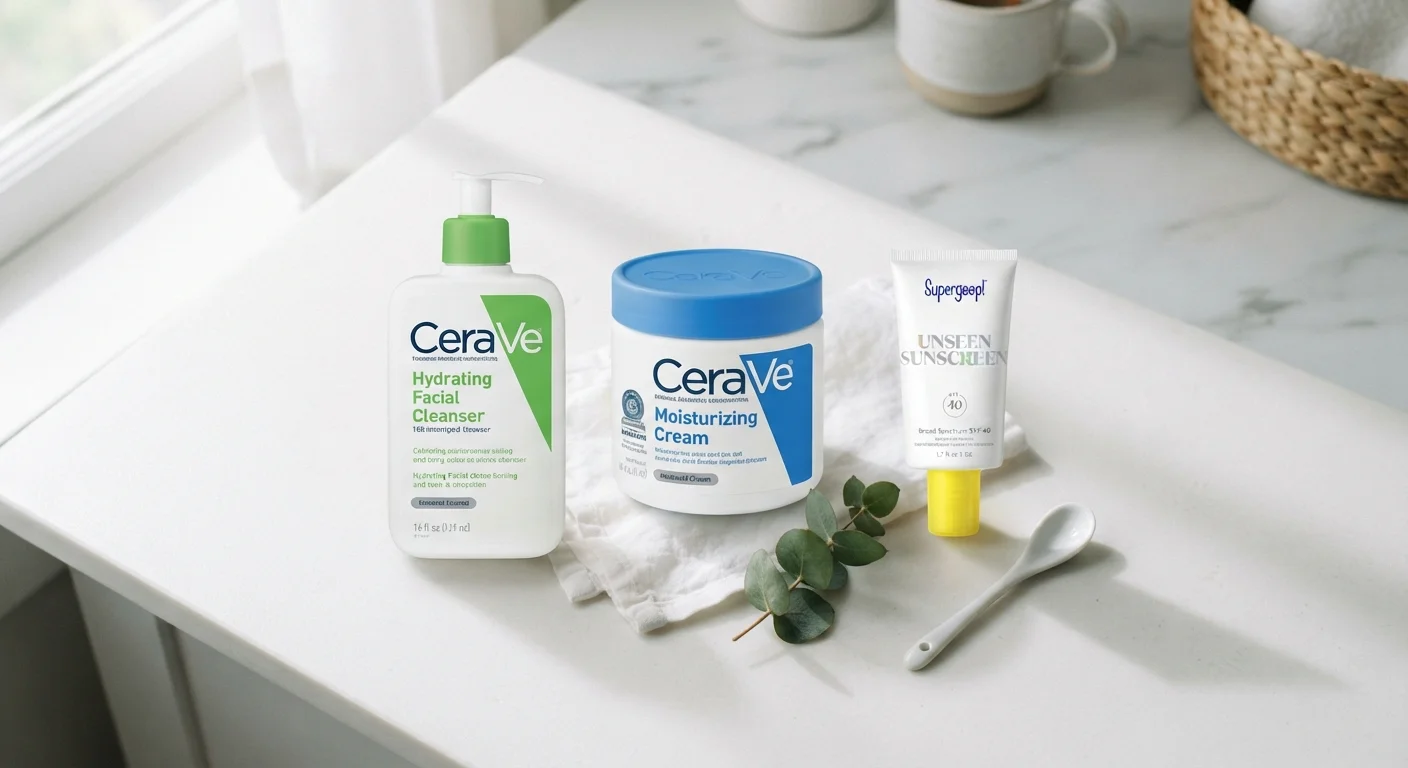
Photo credit: FindersGroove.com | Discover Important Information
In this article
New to skincare? Learn what actually matters, what to skip early on, and how to grow a routine sustainably.
Key Takeaways
- A three-step routine - cleanser, moisturizer, sunscreen - is genuinely enough to start.
- Consistency over weeks matters far more than which specific products you choose.
- Introduce new products one at a time so you can spot what works or irritates.
- Sunscreen in the morning is the single highest-impact skin-protection habit available.
- Knowing your skin type helps you shop smarter, but labels are flexible guidelines, not rules.
Why Simple Beats Complicated
Scroll through beauty content for five minutes and you'll encounter 10-step routines, stacked serums, and an alphabet soup of active ingredients. It's a lot - and most of it isn't necessary if you're just starting out. As research into minimal versus elaborate regimens suggests, complexity doesn't automatically translate to better skin outcomes.
The real engine of a good skincare routine isn't the number of products - it's consistency. A three-step routine you actually do every day will outperform a ten-step routine you abandon by week two. Consistency matters more than the specific products you use, and that's the most liberating thing a beginner can internalize.
Start With What You'll Actually Use
The most effective routine is the one you'll stick to. If a elaborate multi-step process feels overwhelming on a Tuesday morning, simplify it. Two products used daily will always outperform six products used sporadically. Let sustainability guide your starting point.
The Core Three: Where Every Routine Starts
Every effective routine - no matter how advanced it eventually becomes - is built on three foundational steps:
- Cleanse: A gentle, low-irritation cleanser removes the day's buildup (pollution, oil, makeup residue) without stripping your skin's natural moisture barrier. Harsh cleansers that leave skin feeling tight are a common early mistake.
- Moisturize: Hydration keeps the skin barrier functioning well, which affects everything from texture to how well your skin tolerates actives later on. Apply while skin is still slightly damp for best absorption.
- Protect (AM only): A broad-spectrum SPF is the single most evidence-backed step in any skincare routine. UV exposure is a primary driver of premature skin aging and skin cancer risk, so daily sunscreen use - rain or shine - is non-negotiable.
For a deeper look at what each of these steps actually accomplishes at the skin level, the anatomy of a skincare routine is an excellent next read.
Moisture barrier
The outermost layer of the skin that seals in hydration and keeps irritants out. A healthy barrier means skin looks and feels balanced; a compromised one leads to sensitivity and dryness.
Broad-spectrum SPF
A sunscreen that protects against both UVA (aging) rays and UVB (burning) rays. "Broad-spectrum" on the label means it covers both types of ultraviolet light.
Non-comedogenic
A label indicating a product is formulated to avoid clogging pores. It's especially useful guidance for people who are prone to blackheads or acne.
Active ingredient
A skincare ingredient with a specific, targeted effect - like retinol for cell turnover or vitamin C for brightening. Actives are generally introduced after a basic routine is established.
Retinoid
A class of vitamin A derivatives used in skincare to support cell renewal and improve skin texture over time. They require a gradual introduction to minimize irritation.
Know Your Skin Type (Without Overthinking It)
Understanding your skin type helps you choose products that work with your skin rather than against it. The main categories are oily, dry, combination, and sensitive - though many people land somewhere in between or shift seasonally.
- Oily
- Prone to shine, enlarged pores, and breakouts. Benefits from lightweight, non-comedogenic (won't clog pores) moisturizers.
- Dry
- Often feels tight, may flake or look dull. Thrives with richer, cream-based formulas and gentle cleansers.
- Combination
- Oily in the T-zone (forehead, nose, chin), drier on cheeks. A balanced, moderately hydrating approach usually works well.
- Sensitive
- Reacts easily to fragrance, alcohol, or new ingredients. Fewer ingredients per product and slow introductions are key.
Skin type isn't fixed - stress, climate, hormones, and diet can all shift how your skin behaves. Treat your type as a useful starting point, not a rigid identity.
What to Add Next - and When
Once your core three feel effortless - usually after four to six weeks - you can think about adding targeted steps. The most commonly recommended additions for beginners include a toner for balancing pH, a serum addressing a specific concern (like uneven tone or dehydration), and, eventually, a retinoid for long-term skin renewal. Our guide to layering skincare products without guessing walks through the correct application order so each product can actually absorb.
The cardinal rule: introduce one new product at a time, with at least two weeks between additions. That way, if your skin reacts, you'll know exactly what caused it. Adding three new products simultaneously makes troubleshooting nearly impossible.
Curious about what specific ingredients do? The skincare ingredients glossary is a plain-language reference worth bookmarking. And if you wear makeup, don't overlook thorough evening makeup removal - it's the step that quietly makes or breaks a routine.
Your Morning and Evening Needs Differ
It's worth building two slightly different routines: a morning one focused on protection (sunscreen is the star), and an evening one focused on repair and nourishment. Your skin's biology actually shifts between day and night, and your routine can work with that rhythm rather than against it.
Common Beginner Mistakes to Sidestep
Even well-intentioned beginners fall into a few predictable traps. Here's what to watch out for:
- Switching products too fast: Skin needs time to adjust. Give every new product a genuine four-to-six week trial before judging it.
- Skipping sunscreen on cloudy days: UV rays penetrate cloud cover. Daily application is the habit that counts - not situational use.
- Believing "natural" means safe: Many natural ingredients are potent irritants. Check out common skincare myths that quietly sabotage routines for a fuller look at assumptions worth questioning.
- Over-exfoliating early on: More scrubbing is not better. Over-exfoliation compromises your moisture barrier, causing redness and sensitivity.
- Building a budget-busting haul on day one: Skincare is a long-term investment. Start small, see what works, and expand intentionally - your wallet (and your skin) will thank you.
If your routine stops working - new breakouts, persistent dryness, or irritation that won't quit - that's a signal to reassess. The routine reset checklist is a practical tool for diagnosing what might need rethinking.
This article is for general informational purposes only and is not medical or dermatological advice. If you have persistent skin concerns, consult a qualified healthcare professional or board-certified dermatologist.
Frequently Asked Questions

Author
Style & Beauty Editorial Team
Style & Beauty Editorial Team is the collective byline for our editorial team and contributor network. Articles published under this byline or an editorial pen name are researched, written, and reviewed according to our editorial standards for clarity, consistency, and independence before publication.
View all articles →