
Skincare Myths That Are Quietly Sabotaging Your Routine
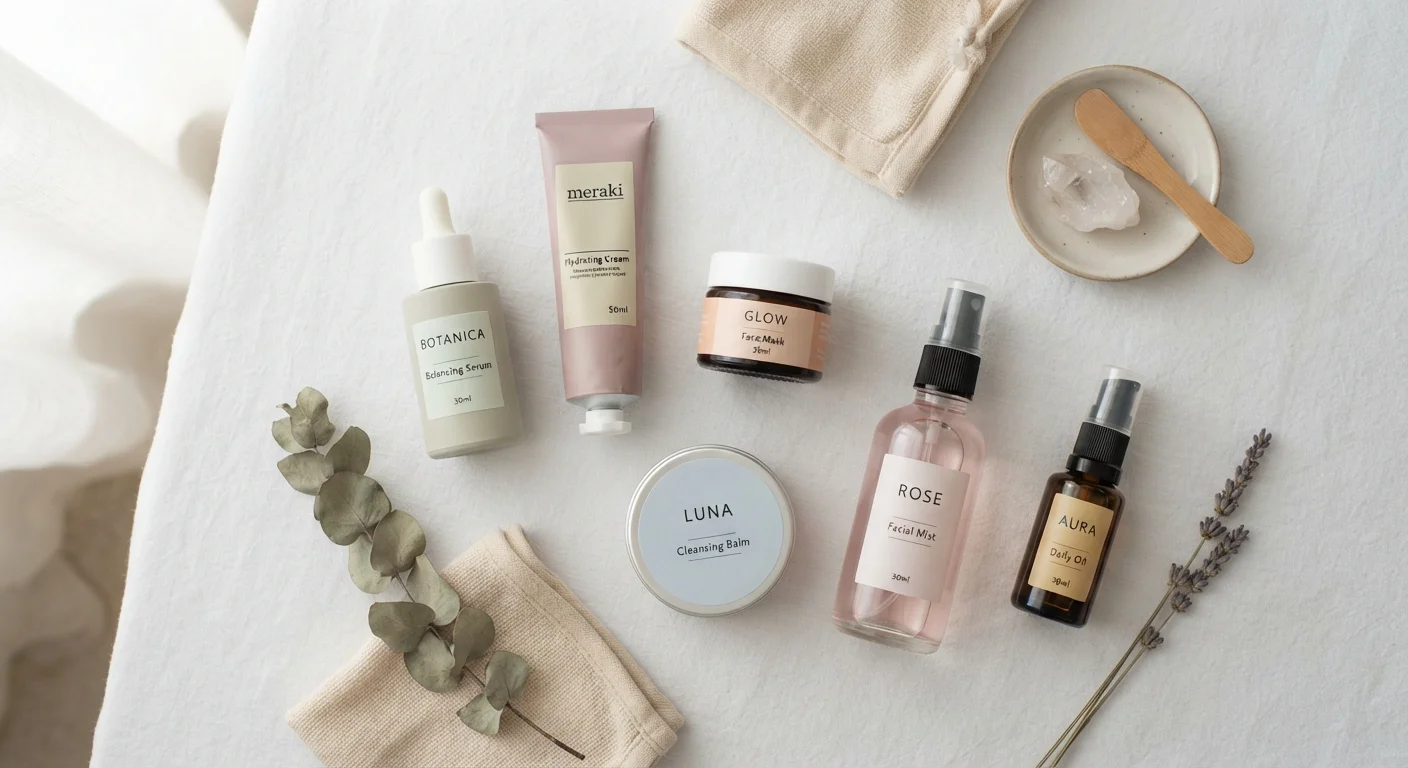
Photo credit: FindersGroove.com | Discover Important Information
From pores opening with steam to natural meaning safe — common skincare beliefs that don't hold up to scrutiny.
Key Takeaways
- Pores cannot open or close - temperature affects their appearance, not their structure.
- Natural ingredients are not automatically safe or gentle for all skin types.
- More expensive products do not guarantee better results than well-formulated affordable ones.
- Oily skin still needs moisturizer - skipping it can worsen oil production.
- Consistent use of a simple routine typically outperforms constantly switching products.
Why Skincare Myths Are So Sticky
Skincare advice travels fast - through social media, family wisdom, beauty counters, and wellness content. Some of it is genuinely useful. A lot of it isn't. The tricky part is that many popular myths contain a kernel of plausibility, which makes them feel credible enough to follow for years without questioning.
The result? Routines quietly undermined by habits that either do nothing or actively work against your skin. Clearing out the misinformation is one of the most effective upgrades you can make - no new products required. If you suspect your routine may need a rethink, the routine reset checklist is a practical place to start.
Myth
Steam opens your pores, making cleansing more effective.
Fact
Pores do not have muscles and cannot open or close in response to temperature.
This is one of the most persistent ideas in skincare, and it sounds intuitive - but pores are simply openings in the skin, not valves. What steam does do is soften the debris inside a pore, which can make manual extraction slightly easier. However, prolonged exposure to very hot steam can actually irritate skin and compromise the skin barrier. Cold water doesn't "close" them either - it temporarily makes them appear smaller by reducing redness or mild swelling. Pore size is largely determined by genetics, skin type, and age.
Myth
Natural or "clean" ingredients are always safer than synthetic ones.
Fact
Natural does not equal safe - many natural substances are potent irritants or allergens.
Poison ivy is natural. So is formaldehyde. The source of an ingredient tells you almost nothing about its safety profile on skin. Essential oils - frequently marketed as gentle alternatives - are among the most common causes of contact dermatitis. Synthetic ingredients, meanwhile, are often engineered for stability, purity, and minimal irritation. What actually matters is the ingredient's concentration, formulation context, and your individual skin's response. If you're exploring what each component in a routine actually contributes, our guide to skincare routine steps breaks it down clearly.
Myth
If your skin is oily, moisturizer will make it worse.
Fact
Oily skin still needs hydration - skipping moisturizer can actually trigger more oil production.
When skin is dehydrated (lacking water, not oil), it can compensate by producing more sebum. Moisturizers designed for oily skin - typically lightweight, gel-based, or non-comedogenic formulas - replenish water content without adding heaviness. Avoiding moisturizer entirely can leave skin reactive and unbalanced. Understanding your actual skin type versus its current condition is the starting point for choosing the right hydration approach.
Myth
You only need sunscreen on sunny days or when going outdoors.
Fact
UV radiation - particularly UVA - penetrates clouds and glass, making daily SPF application important year-round.
UVA rays, which are associated with premature aging and skin damage, maintain consistent intensity across seasons and can pass through window glass. Overcast skies block only a portion of UV exposure. Dermatology organizations generally recommend daily broad-spectrum SPF regardless of weather. Many people also underapply the amount needed for labeled protection. For more detail on where sun protection habits commonly fall short, see our article on common sunscreen mistakes.
Myth
Higher price means a more effective product.
Fact
Price reflects marketing, packaging, and fragrance as much as active ingredient quality.
Formulation science - the concentration and stability of actives, the delivery system, and pH - determines product efficacy far more than cost. Many well-studied actives like niacinamide, retinol, and hyaluronic acid appear across a wide range of price points. Expensive packaging, luxury branding, and complex fragrance blends contribute significantly to retail price without adding skincare benefit. A thoughtfully built routine from the start will serve you better than a shelf full of premium impulse purchases.
Myth
Exfoliating every day speeds up cell turnover and improves skin faster.
Fact
Over-exfoliation damages the skin barrier, leading to irritation, sensitivity, and breakouts.
Exfoliation - whether physical or chemical - removes dead skin cells and can improve texture and radiance when used appropriately. But the skin barrier needs time to recover between sessions. Daily exfoliation strips away the protective layer, leaving skin vulnerable to environmental stressors and transepidermal water loss. Frequency should be guided by your skin type, the strength of the exfoliant, and how your skin responds. Our comparison of physical vs. chemical exfoliation can help you figure out the right fit for your skin.
Building From a Cleaner Foundation
Once you've identified which myths have been shaping your routine, the path forward gets simpler. Effective skincare isn't about having more products or spending more money - it's about understanding what your skin actually needs and applying that knowledge consistently.
Don't Change Everything at Once
Overhauling your entire routine in one go makes it impossible to identify what's helping and what's causing irritation. Introduce one new product at a time and wait at least two to four weeks before adding another. Your skin - and your ability to troubleshoot - will thank you.
One of the most common traps after a routine reset is overcorrecting: swapping everything out at once makes it impossible to know what's helping or causing a reaction. Introduce changes one at a time, give each product several weeks to show results, and resist the urge to chase every new trend. Research consistently suggests that routine stability matters more than the specific products you use. Start simple, stay consistent, and let your skin do the talking.
70%+
UV radiation reaching skin on overcast days
The World Health Organization notes that up to 80% of UV rays can penetrate cloud cover, making daily sun protection relevant year-round.
~28 days
Typical skin cell turnover cycle in young adults
According to general dermatological reference, the skin's natural renewal cycle averages roughly four weeks, slowing with age - context worth remembering when evaluating how quickly any product can show results.

Author
Style & Beauty Editorial Team
Style & Beauty Editorial Team is the collective byline for our editorial team and contributor network. Articles published under this byline or an editorial pen name are researched, written, and reviewed according to our editorial standards for clarity, consistency, and independence before publication.
View all articles →