
Routine Reset Checklist: Signs Your Skincare Regimen Needs Adjusting
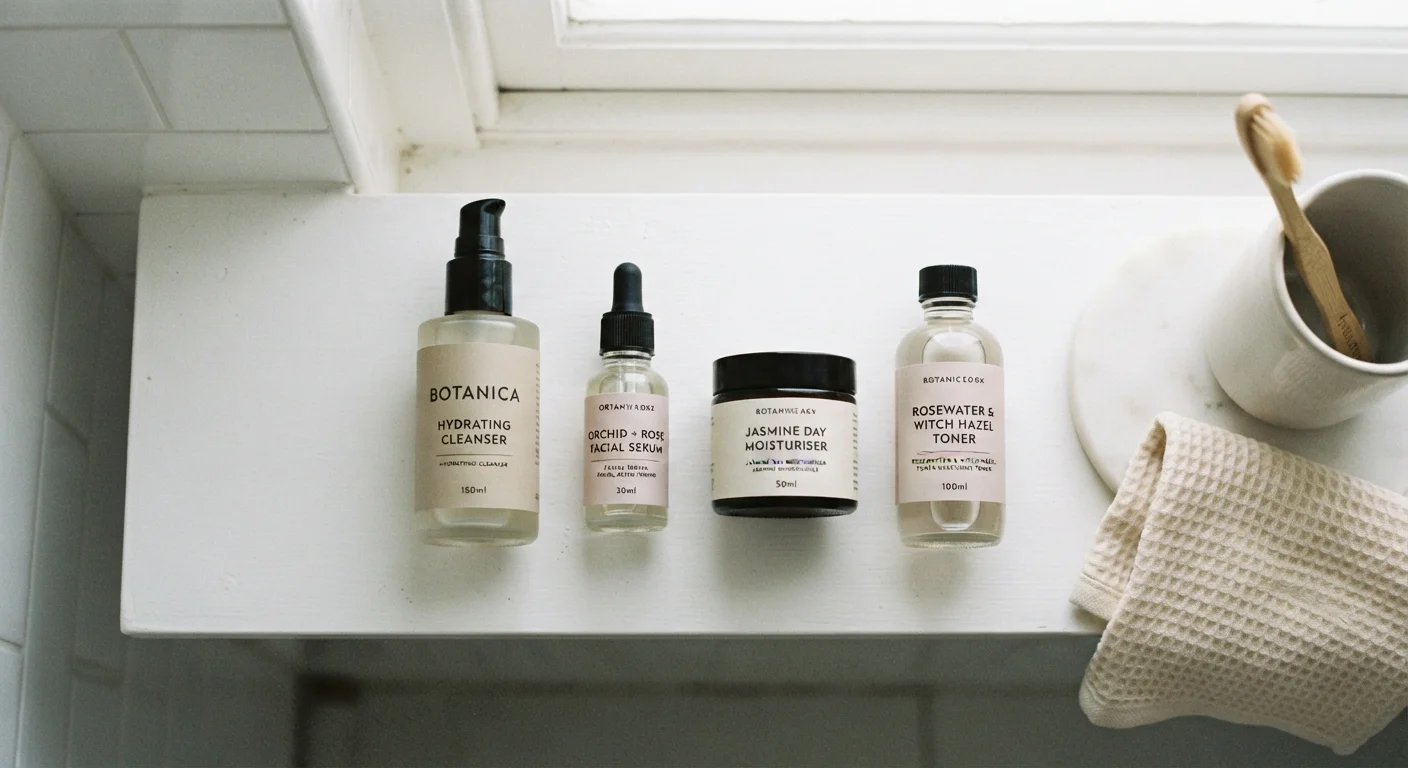
Photo credit: FindersGroove.com | Discover Important Information
Persistent dryness, new breakouts, or irritation? Use this checklist to identify where your routine may need rethinking.
Key Takeaways
- Persistent dryness, breakouts, or irritation are signals your routine may need adjusting, not just more products.
- Seasonal changes, hormonal shifts, and lifestyle factors can all alter what your skin actually needs.
- Introducing too many new products at once makes it hard to identify what's helping or hurting.
- Consistency and simplicity often outperform elaborate, multi-step routines.
- A routine reset is about refining - not overhauling - based on observable signs from your own skin.
When Your Skin Is Trying to Tell You Something
Your skin is constantly communicating. Tightness after cleansing, a new cluster of breakouts, or that persistent flaky patch near your nose - none of these are random. They're feedback. The challenge is learning to read that feedback accurately instead of just piling on more products in response.
This checklist is designed to help you pause, assess, and identify where your current skincare regimen might be falling short - or overdelivering. Think of it as a routine audit, not a routine overhaul. Before you swap everything out, understanding the signs is the smartest first move. For a solid grounding in what each step of your routine is actually meant to do, see our guide to skincare routine anatomy.
Reading Your Skin's Signals
Auditing Your Current Products
Lifestyle and Environmental Factors
Planning Your Reset
How to Use This Checklist Effectively
Work through each group over a single week, ideally keeping a brief skin journal - even just a few notes on your phone. The goal is to spot patterns, not diagnose conditions. If you're seeing persistent or worsening symptoms, consulting a licensed dermatologist is always the right call. This checklist is general educational guidance, not medical advice.
Don't Chase Every New Symptom With a New Product
It can be tempting to reach for a targeted serum the moment something goes wrong, but layering new products onto an already reactive skin barrier often worsens the problem. When in doubt, strip back rather than add on. If symptoms are severe, persistent, or rapidly worsening - particularly redness, swelling, or pain - stop using new products and seek advice from a dermatologist or healthcare professional.
One common pitfall: fixing a problem by adding five new products simultaneously. That approach makes it nearly impossible to know what's actually working. Consistency matters far more than product variety - introduce changes one at a time, waiting at least two weeks between adjustments. And don't overlook the basics: a thorough but gentle cleanse each evening is foundational. Our piece on evening makeup removal is worth a read if that step tends to get rushed.
Skin Journal (notebook or phone notes)
Track daily observations about your skin's texture, oiliness, dryness, and reactions to help identify patterns over time.
Ingredient checker tool
Review product ingredient lists for potential irritants, comedogenic ingredients, or ingredient conflicts in your routine.
Camera or mirror with good lighting
Assess skin texture and tone accurately - bathroom lighting alone can obscure subtle changes in your complexion.

Author
Style & Beauty Editorial Team
Style & Beauty Editorial Team is the collective byline for our editorial team and contributor network. Articles published under this byline or an editorial pen name are researched, written, and reviewed according to our editorial standards for clarity, consistency, and independence before publication.
View all articles →