
The Anatomy of a Skincare Routine: What Each Step Actually Does
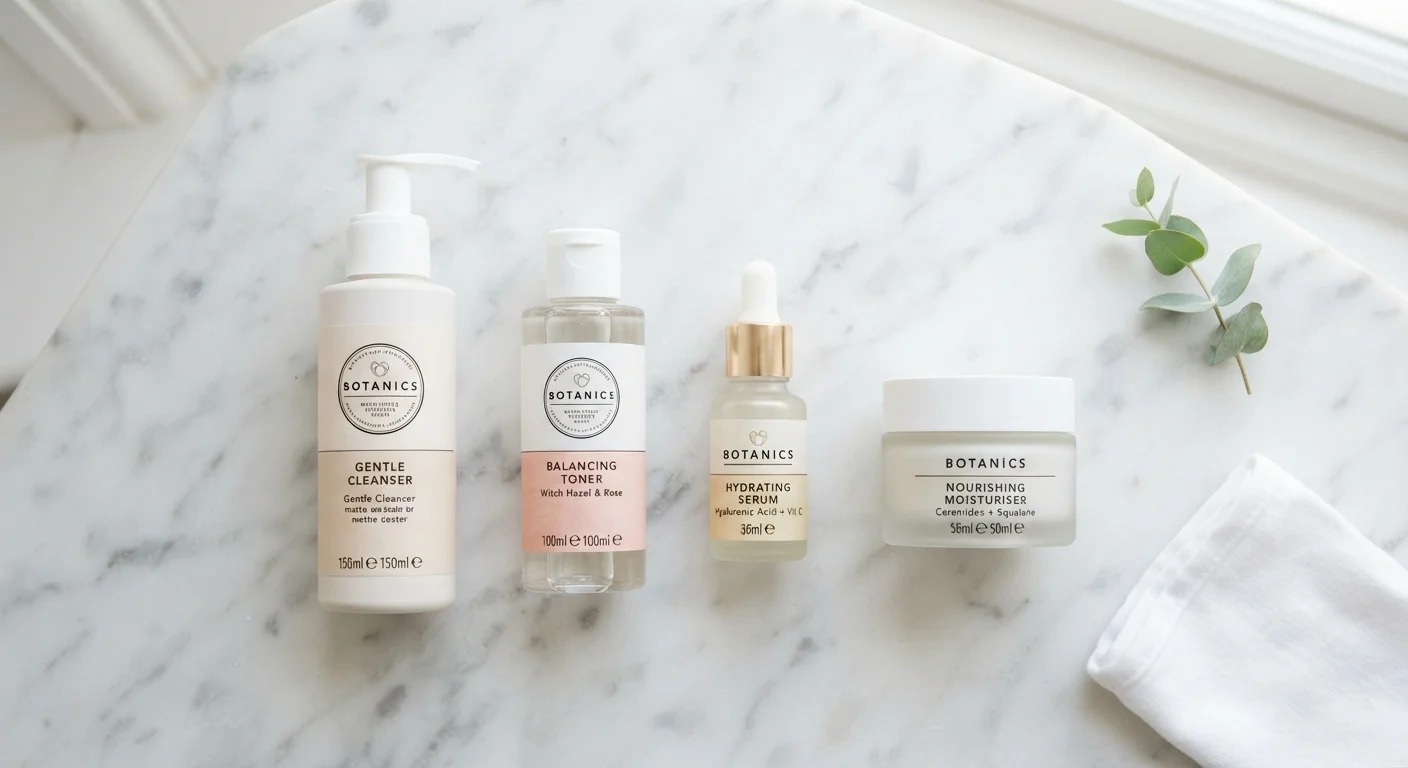
Photo credit: FindersGroove.com | Discover Important Information
In this article
Cleansers, toners, serums, moisturisers — learn what role each skincare step plays and why the order matters.
Key Takeaways
- Each skincare step has a distinct function - cleansing, treating, and protecting are not interchangeable.
- Order matters: applying products from thinnest to thickest consistency maximises absorption.
- A minimal routine done consistently outperforms a complex routine applied sporadically.
- Sunscreen is a non-negotiable final step in any morning routine.
- Understanding your skin type shapes which products belong in your routine.
Step One: Cleansing - Start With a Clean Slate
A cleanser's job is simple but foundational: remove excess oil, sweat, pollutants, and leftover product so the steps that follow can actually work. Without it, you're layering active ingredients over a barrier of grime - which limits absorption and can contribute to breakouts.
There are two broad cleanser types worth knowing. Foaming or gel cleansers tend to suit oilier skin by cutting through sebum more effectively. Cream or milk cleansers cleanse without stripping, making them a better fit for dry or sensitive skin. If you wear sunscreen or makeup, a two-step approach - an oil-based first cleanse followed by a water-based second cleanse - is a common method for thorough removal. To understand which cleanser profile suits your skin, it helps to first get clear on your skin type. Skin types explained is a great place to start.
Keep Your Cleanser Gentle
A cleanser that leaves your skin feeling tight or squeaky-clean is likely over-stripping your skin's natural moisture barrier. Look for terms like 'gentle,' 'pH-balanced,' or 'sulfate-free' as starting indicators. Your skin should feel comfortable - not dry or raw - immediately after cleansing.
Step Two: Toning and Treating - The Active Core
After cleansing, skin is primed to receive targeted ingredients. This is where toners, essences, and serums come in - and understanding the difference helps you use them well.
Toners originally existed to rebalance skin's pH after harsh old-school cleansers disrupted it. Modern formulas have evolved considerably and now often deliver hydrating or exfoliating benefits. Hydrating toners add a lightweight layer of moisture; exfoliating toners (containing AHAs or BHAs) help remove dead skin cells and can improve texture over time.
Serums are the workhorses of the routine. These concentrated, fast-absorbing formulas are where you'll find active ingredients targeting specific concerns - hyaluronic acid for hydration, vitamin C for brightening, niacinamide for pore appearance and redness. Because they're formulated with smaller molecules, serums penetrate more deeply than moisturisers. For a plain-language breakdown of what common ingredients actually do, the skincare ingredients glossary is a useful reference.
90%+
Of visible skin ageing attributed to UV exposure
Research published in dermatology literature consistently attributes the majority of premature skin ageing - including fine lines and uneven tone - to cumulative UV exposure rather than intrinsic ageing.
2 minutes
Minimum recommended sunscreen application time before sun exposure
Dermatologists generally advise applying SPF at least two minutes before going outdoors to allow the formula to adhere properly to the skin's surface.
Step Three: Moisturising and Protecting - Lock It In
A moisturiser's primary role is to support the skin's barrier - the protective outer layer that keeps moisture in and irritants out. It does this through three mechanisms: humectants (like glycerin) draw water into the skin; emollients (like fatty acids) smooth and soften; and occlusives (like petrolatum or shea butter) form a seal over the surface to prevent water loss.
Even oily skin benefits from moisturiser. Skipping it can prompt the skin to overproduce oil as a compensatory response. The trick is finding a weight that suits your skin - lighter gel formulas for oilier types, richer creams for drier ones.
Sunscreen is the final, non-negotiable morning step. UV exposure is one of the most well-documented contributors to premature skin ageing and skin damage, making broad-spectrum SPF the most evidence-backed protective step in any routine. Apply it as the last step in the morning, after moisturiser. At night, swap SPF for a richer treatment layer if needed - this is when repair-focused ingredients like retinol are typically introduced.
For a deeper dive into getting the order exactly right, the guide to layering skincare products covers the logic in practical detail. And if you're just getting started building a routine from the ground up, see building a skincare routine from scratch.
Watch Out for Common Routine Myths
Not everything you've heard about skincare holds up to scrutiny. Claims like 'pores open with steam' or 'natural ingredients are always safer' are widespread but misleading. For a clear-eyed look at what actually checks out, see the skincare myths to stop believing article.
This article is for general informational purposes only and does not constitute medical or dermatological advice. If you have specific skin concerns or conditions, consult a qualified dermatologist or healthcare professional.
Frequently Asked Questions

Author
Style & Beauty Editorial Team
Style & Beauty Editorial Team is the collective byline for our editorial team and contributor network. Articles published under this byline or an editorial pen name are researched, written, and reviewed according to our editorial standards for clarity, consistency, and independence before publication.
View all articles →