
Layering Skincare Products Without Guessing
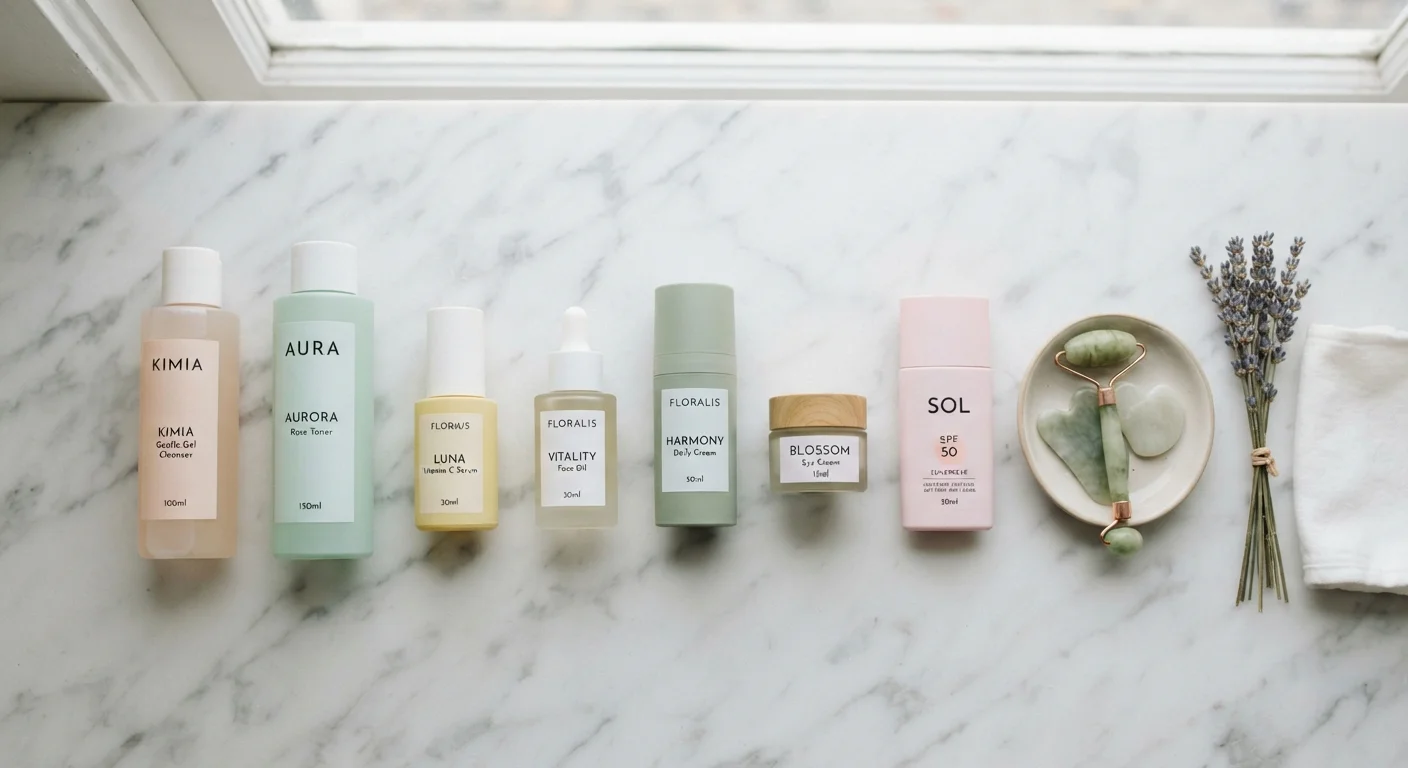
Photo credit: FindersGroove.com | Discover Important Information
In this article
A practical guide to applying skincare in the right order so each product can actually absorb and work effectively.
Key Takeaways
- Apply skincare products from thinnest to thickest texture for optimal absorption.
- Wait briefly between layers so each product can settle before the next is applied.
- Sunscreen always goes on last in a morning routine - after moisturizer, before makeup.
- Knowing your skin type shapes which products belong in your routine and in what order.
- Fewer well-layered products consistently applied outperform a cluttered, random routine.
Why Layering Order Actually Matters
Skincare isn't just about what you use - it's about the sequence you use it in. Apply a thick occlusive cream before a water-based serum and you've essentially blocked the serum from reaching your skin. The logic is straightforward: lighter, more fluid formulas need to contact the skin first, while heavier ones seal everything in afterward.
Think of it like getting dressed in layers. You wouldn't pull a t-shirt over a winter coat. The same principle applies here. Each formula has a job, and that job is only possible when the skin is ready to receive it. For a deeper look at what each individual step is actually doing for your skin, check out The Anatomy of a Skincare Routine.
If you're not yet sure what your skin type is - whether it's oily, dry, combination, or sensitive - that's a worthwhile first stop. Your skin type directly influences which products you need and how much of each to apply. Our guide to understanding your skin type is a great place to start.
The 30-Second Rule Between Layers
You don't need to set a timer, but giving each product a brief moment to settle before applying the next makes a real difference. A quick 30 seconds - just enough to feel the product is no longer tacky - helps prevent pilling and improves absorption. Build this tiny pause into your rhythm and it becomes second nature.
What You'll Need Before You Start
Before diving into the steps, gather your products and mentally sort them by texture - watery, gel-like, serum-light, lotion, cream, oil. This quick visual assessment tells you a lot about where each one belongs in your routine. You don't need every product category to have an effective routine.
What you will need
Cleanser
Removes surface impurities so subsequent products can absorb properly.
Toner or Essence
Rebalances skin's pH and adds an initial layer of hydration before serums.
Targeted Serum
Delivers concentrated active ingredients (such as vitamin C or hyaluronic acid) to address specific concerns.
Moisturizer
Locks in hydration and supports the skin's protective barrier.
Facial Oil
Applied after moisturizer to add an extra seal over lighter layers.
Sunscreen (SPF 30+)
Protects against UV damage; always the final step in a morning routine.
The Step-by-Step Layering Routine
Follow these steps morning or evening - just note that some products (like retinoids or strong exfoliating acids) are typically used at night only, and sunscreen is a morning-only essential. Apply each layer to clean, slightly damp skin for best results.
Cleanse First, Always
Start with a clean canvas. Apply your cleanser to damp skin, massage gently for about 30-60 seconds, then rinse thoroughly with lukewarm water. Pat dry with a clean towel - don't rub. Everything that follows depends on starting with skin free of dirt, oil, and residue.
Apply Toner or Essence (If Using)
While skin is still slightly damp, apply a toner or essence. Pat it in gently with your palms rather than wiping with a cotton pad - you'll waste less product and irritate skin less. This step primes the skin to absorb what comes next more readily.
Layer Serums Thinnest to Thickest
If you use more than one serum, apply the most watery formula first. Press it gently into the skin rather than rubbing. Wait 30-60 seconds, then follow with any thicker serum. Trying to rush this step or apply them simultaneously reduces how effectively each one absorbs.
Moisturize to Lock It All In
Once your serums have had a moment to settle, apply your moisturizer. Use upward, gentle strokes and don't skip the neck. The moisturizer acts as a barrier that seals in the active layers beneath it - it's not just about surface hydration.
Apply Facial Oil (If Using) - After Moisturizer
Facial oils go on top of moisturizer, not beneath it. Because oil repels water, applying an oil before a water-based moisturizer blocks that moisturizer from reaching the skin. Warm a few drops between your palms and press lightly onto the face.
Finish with Sunscreen (Morning Routine Only)
In the morning, sunscreen is your final skincare step - applied after moisturizer (and any oil) but before primer or makeup. Apply a generous amount and allow it to dry down for a minute before applying anything on top. Skimping here undermines the rest of your routine. For more on where sun protection habits typically go wrong, see common sunscreen mistakes to avoid.
Not All Actives Play Nicely Together
Some ingredient combinations can cause irritation or cancel each other out. Retinoids and exfoliating acids (like AHAs or BHAs), for example, are generally best used on separate evenings rather than together. If you're adding a new active ingredient to your routine, introduce it slowly and watch how your skin responds. When in doubt, a consultation with a dermatologist is always a smart move.
Once you've got the order down, the real gains come from sticking with it. Consistency matters far more than the products themselves - a routine you follow daily will always outperform a perfect routine used sporadically.
If you're just getting started and feel like this is a lot to take in, don't worry - building a routine from scratch can begin with just three products. Grow from there.

Author
Style & Beauty Editorial Team
Style & Beauty Editorial Team is the collective byline for our editorial team and contributor network. Articles published under this byline or an editorial pen name are researched, written, and reviewed according to our editorial standards for clarity, consistency, and independence before publication.
View all articles →