
Skin Types Demystified: Understanding What Your Skin Is Actually Telling You
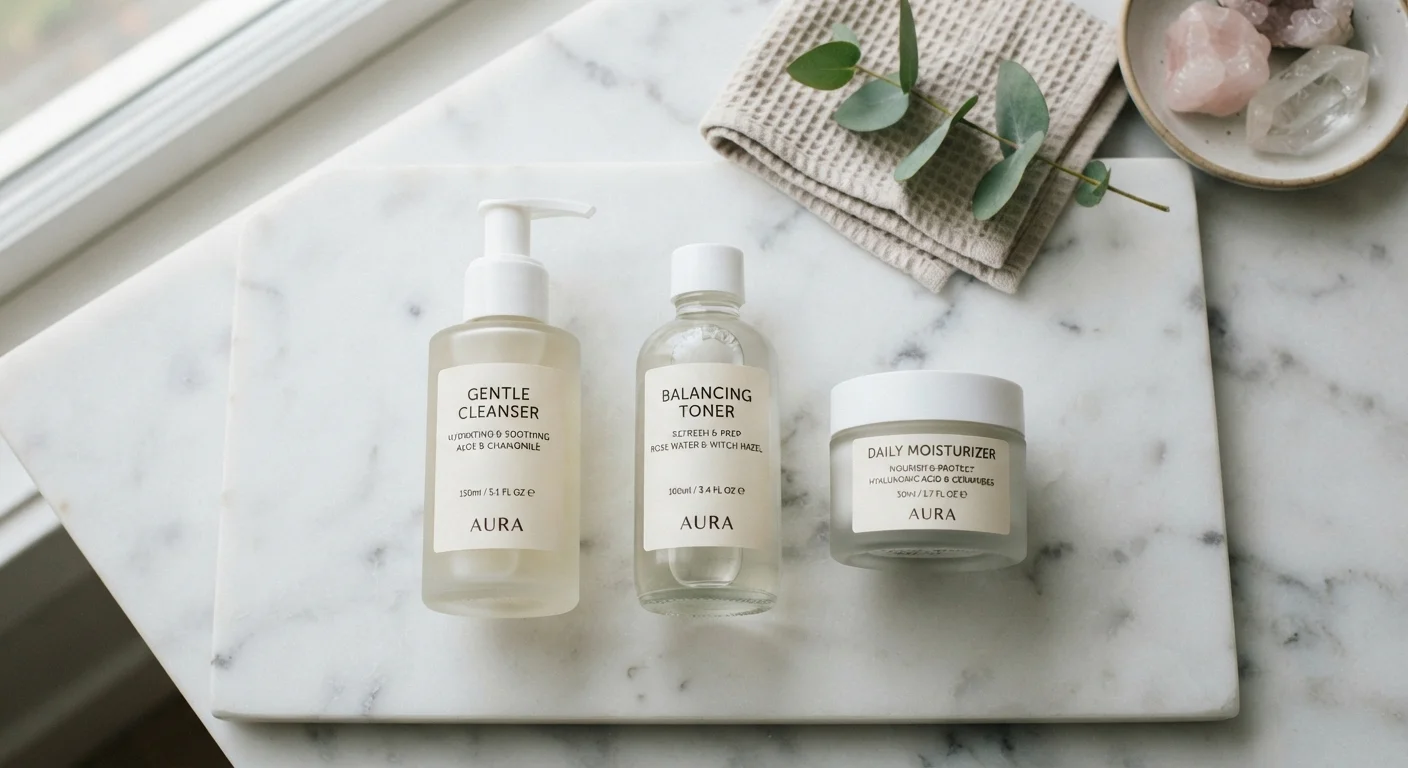
Photo credit: FindersGroove.com | Discover Important Information
In this article
Oily, dry, combination, sensitive — what these categories mean, how they shift over time, and why they shape your routine.
Key Takeaways
- There are four broadly recognized skin types: oily, dry, combination, and sensitive.
- Skin type is not fixed - it can change with age, hormones, climate, and lifestyle.
- Using products mismatched to your skin type can worsen dryness, breakouts, or irritation.
- A simple at-home observation method can help you identify your skin type without products.
- Sensitive skin describes reactivity, not a separate oil-or-moisture category.
The Four Skin Types, Plainly Explained
If you've ever stood in a skincare aisle feeling completely lost, you're not alone. The first step to cutting through the noise is understanding what your skin type actually means - not as a label, but as useful information about how your skin naturally behaves.
Oily skin produces excess sebum throughout the day, leaving a shiny finish and larger-looking pores, particularly in the T-zone. This type is more prone to clogged pores and breakouts, but it also tends to show signs of aging more slowly because natural oils keep the skin supple.
Dry skin produces less sebum than average and often feels tight, rough, or flaky - especially after cleansing. It can look dull and is more prone to fine lines if the moisture barrier isn't well-supported.
Combination skin is exactly what it sounds like: oilier in the T-zone (forehead, nose, chin) and normal or dry on the cheeks. It's one of the most common skin types, and it often means you'll want to use targeted products rather than a single formula across your entire face.
Sensitive skin isn't defined by oil production but by reactivity - redness, stinging, or irritation triggered by certain ingredients or environmental conditions. It frequently overlaps with one of the other types, so think of it as a modifier rather than a standalone category.
Skin Type vs. Skin Condition
Skin type refers to your skin's default, ongoing behavior - how oily or dry it naturally runs. A skin condition, by contrast, is a temporary or treatable state like acne, rosacea, eczema, or hyperpigmentation. These can occur on any skin type and are best assessed by a dermatologist. Identifying your skin type helps with day-to-day product choices; skin conditions often require targeted or professional care.
Why Your Skin Type Isn't Static
Here's something a lot of skincare messaging misses: your skin type is not a permanent ID. The skin you had at 17 is not necessarily the skin you have at 27 - or 37. Several factors reliably shift skin behavior over time.
Hormones are a major driver. Testosterone stimulates oil production, which is why many people experience oilier skin during puberty or parts of the menstrual cycle. During and after pregnancy, or through perimenopause, skin often becomes drier and more reactive.
Seasons and climate matter too. Cold, dry winter air reduces skin's moisture levels even in those with naturally oily skin. Humid summer weather can tip normal skin toward oiliness. If your skin seems to behave differently depending on the time of year, that's a real pattern worth responding to.
Your routine itself can change your skin's behavior. Overusing stripping cleansers can disrupt the moisture barrier and make dry or sensitive tendencies worse. Understanding your skin type helps you avoid accidentally working against yourself. For a deeper look at how the barrier functions, check out the guide on the skin barrier and why every routine should protect it.
~50%
Adults who identify as having combination skin
Combination is widely considered one of the most common self-reported skin types among adults, according to dermatology educators and consumer surveys.
3-4 weeks
Skin's surface cell turnover cycle
The skin renews its outermost layer roughly every 3-4 weeks, which is why changes to a routine can take time to show noticeable results.
Identifying Your Skin Type Without Guessing
The most reliable low-effort method is the bare-face test. Cleanse with a gentle, fragrance-free cleanser, then wait 30 to 60 minutes without applying any products. Then check in with a mirror.
- Shiny all over? Likely oily.
- Tight, rough, or flaky? Likely dry.
- Shiny in the T-zone, normal or dry on cheeks? Likely combination.
- Comfortable, neither shiny nor tight? Normal.
- Redness or discomfort during or after? Factor in sensitivity as a layer on top.
Don't stress about perfect categorization. The goal is to get close enough to make better product choices - not to lock yourself into one identity forever. Once you've got a sense of your type, building a skincare routine from scratch becomes a much clearer process.
Reassess Seasonally, Not Just Once
Take a quick bare-face check-in each time the season changes - especially heading into winter or summer. Your skin's behavior in July may look quite different from December, and adjusting even one product (like swapping a lightweight lotion for a slightly richer one) can make a meaningful difference in comfort and appearance.
Letting Your Skin Type Guide - Not Limit - Your Routine
Think of your skin type as a starting framework, not a rigid prescription. Oily skin doesn't mean avoiding moisture; dry skin doesn't mean piling on every heavy cream available. The goal is balance.
Where skin type really earns its keep is in ingredient selection. Oily skin generally benefits from lightweight, water-based formulas and ingredients like niacinamide or salicylic acid. Dry skin responds well to ceramides, glycerin, and richer occlusives. Combination skin often does best when you treat different zones differently, at least some of the time.
For a plain-language breakdown of common skincare ingredients and what they're actually known to do, the Skincare Ingredients Glossary is a useful reference. And if your current routine is producing unexpected results - new breakouts, persistent dryness, increased sensitivity - that's a signal worth listening to. The Routine Reset Checklist can help you pinpoint where things may be going sideways.
Understanding your skin isn't about finding the perfect 10-step regimen - it's about learning to interpret what your skin is actually communicating, and responding with a little more confidence each time.
This article is for general informational purposes only and is not a substitute for professional dermatological advice. If you have persistent skin concerns, consult a board-certified dermatologist.
Frequently Asked Questions

Author
Style & Beauty Editorial Team
Style & Beauty Editorial Team is the collective byline for our editorial team and contributor network. Articles published under this byline or an editorial pen name are researched, written, and reviewed according to our editorial standards for clarity, consistency, and independence before publication.
View all articles →