
Physical vs Chemical Exfoliation: Choosing the Right Approach for Your Skin
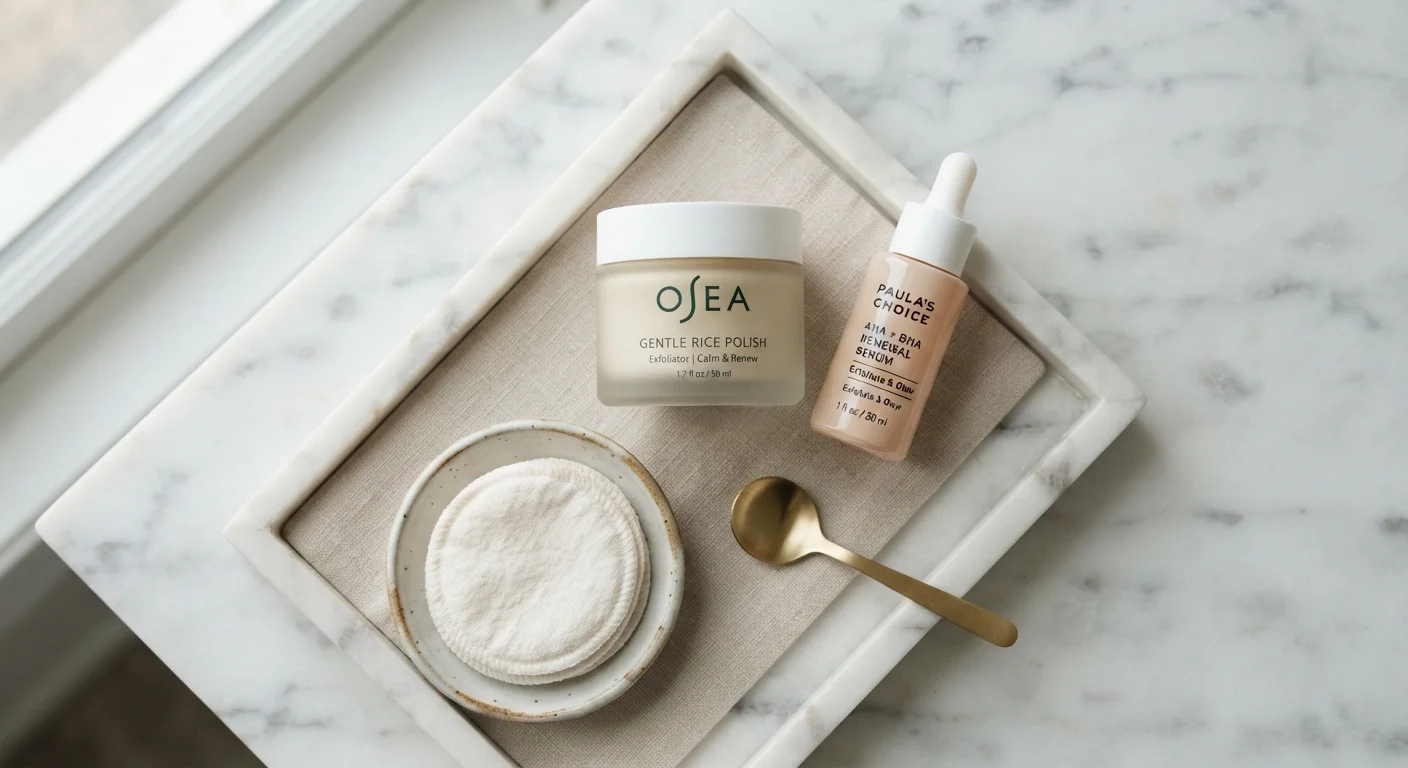
Photo credit: FindersGroove.com | Discover Important Information
In this article
Scrubs versus acids — understand how each method works, who benefits most, and when to use either approach.
Key Takeaways
- Physical exfoliation uses manual friction; chemical exfoliation uses acids or enzymes to dissolve dead skin cells.
- Neither method is universally superior - skin type, sensitivity, and goals determine which works best.
- Over-exfoliating with either method can damage the skin barrier and worsen breakouts or irritation.
- Chemical exfoliants tend to offer more even, consistent results across larger skin surface areas.
- Both approaches can coexist in a routine if used on separate days and with appropriate frequency.
- Always apply SPF after exfoliating, as both methods temporarily increase sun sensitivity.
How Each Method Actually Works
Exfoliation - the process of removing dead skin cells from the surface - is one of the most impactful steps you can add to a skincare routine. But the two main methods operate in fundamentally different ways, and mixing them up (or misusing either) can do more harm than good. Before deciding your approach, it's worth understanding the mechanism behind each. To see where exfoliation fits in your full routine, check out what each skincare step actually does.
Physical Exfoliation
Physical exfoliation works through direct mechanical friction - a scrub, brush, or textured cloth physically dislodges dead cells from the skin's surface. The results are immediate and tactile: skin feels softer right away. The trade-off is that pressure and abrasiveness are entirely in your hands. Too much force or too coarse a texture can create micro-abrasions, disrupt the skin barrier, and paradoxically increase sensitivity over time.
Chemical Exfoliation
Chemical exfoliation uses active acids or enzymes to loosen the bonds holding dead skin cells together, allowing them to shed more naturally. The most common actives fall into two families: AHAs (alpha-hydroxy acids) - like glycolic and lactic acid - which work on the skin's surface and are especially effective on dryness and uneven tone; and BHAs (beta-hydroxy acids) - like salicylic acid - which are oil-soluble and penetrate into pores, making them a popular choice for oily and acne-prone skin. Enzyme exfoliants, typically derived from fruits, offer a gentler alternative for very sensitive skin types.
| Criterion | Physical Exfoliation | Chemical Exfoliation |
|---|---|---|
| Mechanism | Manual friction removes surface cells | Acids/enzymes dissolve cell bonds |
| Speed of results | Immediate smoothing effect | Gradual improvement over days/weeks |
| Best skin types | Normal, combination, body skin | Oily, dry, sensitive, acne-prone |
| Ease of use | Intuitive; no ingredient knowledge needed | Requires understanding of acid types and concentrations |
| Risk of over-exfoliating | Higher - pressure is user-dependent | Moderate - manageable with correct formulation |
| Even application | Varies with technique and hand pressure | Consistent across entire skin surface |
| Pore-clearing ability | Surface level only | BHAs penetrate into pores |
| Suitable for active breakouts | Generally not recommended | Yes, with appropriate BHA |
Who Benefits Most From Each Approach
Your skin type is the single most useful filter when choosing an exfoliation method - and it's a factor too many people overlook.
Physical exfoliation tends to suit people with normal to combination skin who don't have active breakouts and want a simple, no-fuss weekly ritual. It can also work well on the body, where skin is generally less reactive than the face. However, it's typically not recommended for active acne, rosacea, eczema, or very thin skin.
Chemical exfoliation covers a wider range of skin concerns. AHAs are particularly valuable for dry, dull, or sun-damaged skin; lactic acid is often recommended as a gentler entry point. BHAs are well-suited to oily and congested skin. Enzyme exfoliants appeal to those who find standard acids too stimulating. The key advantage is even application - acids touch every part of your skin equally, while a scrub's effectiveness depends entirely on how you use it.
~30 days
Natural skin cell turnover cycle
Dermatologists generally note that the skin's natural desquamation (cell shedding) cycle slows with age, which is why many adults find exfoliation beneficial for maintaining a more even texture.
2-3×/week
Maximum frequency most dermatologists advise
Skincare professionals typically recommend limiting exfoliation to two or three times per week at most, with less frequency for sensitive or compromised skin barriers.
10%+
AHA concentration considered high-strength
Formulations above approximately 10% AHA concentration are generally considered higher-strength and are more often associated with professional or clinic-grade peels rather than everyday retail products.
It's also worth noting that some people with sensitive skin find that well-formulated chemical exfoliants at appropriate concentrations cause less irritation than physical scrubs, particularly if those scrubs contain rough or irregular particles. If you've been relying on myths about which ingredients are "harsh," common skincare beliefs are worth revisiting.
Frequency, Safety, and Building a Smarter Routine
One of the most common exfoliation mistakes - regardless of method - is doing it too often. The skin barrier needs time to repair and function properly between sessions. A general starting point is once or twice per week for most skin types, with sensitive skin beginning even more cautiously at once every seven to ten days.
Don't Pair Exfoliants With Certain Actives
Combining exfoliants - physical or chemical - with other potent actives like retinoids or high-strength vitamin C on the same day can significantly increase irritation risk. It's generally safer to alternate these on different evenings rather than layering them in the same session. If you're unsure how to sequence your products, a dermatologist can help you build a schedule that minimizes stress on your skin barrier.
If you're layering exfoliation into a fuller routine, timing matters. Exfoliating after cleansing but before serums and moisturizer is the standard order. For chemical exfoliants, applying to clean, dry skin (unless otherwise directed) helps manage potency. And critically: SPF is non-negotiable the morning after any exfoliation. Both physical and chemical methods increase photosensitivity, and skipping sun protection undermines the results you're working toward.
Can you use both methods? Yes - but not on the same day, and not without tuning in to how your skin responds. Many people find that alternating methods on different days, or using a physical scrub on the body and a chemical exfoliant on the face, works well. If you're building a routine from scratch, it's generally advisable to introduce one exfoliating method at a time before experimenting with both.
This article is for general informational and educational purposes only. If you have a skin condition, active dermatological concern, or are unsure which approach is appropriate for your skin, consult a qualified dermatologist or licensed skincare professional.

Author
Style & Beauty Editorial Team
Style & Beauty Editorial Team is the collective byline for our editorial team and contributor network. Articles published under this byline or an editorial pen name are researched, written, and reviewed according to our editorial standards for clarity, consistency, and independence before publication.
View all articles →