
Raw Diets for Pets: What Advocates Claim vs. What Research Shows
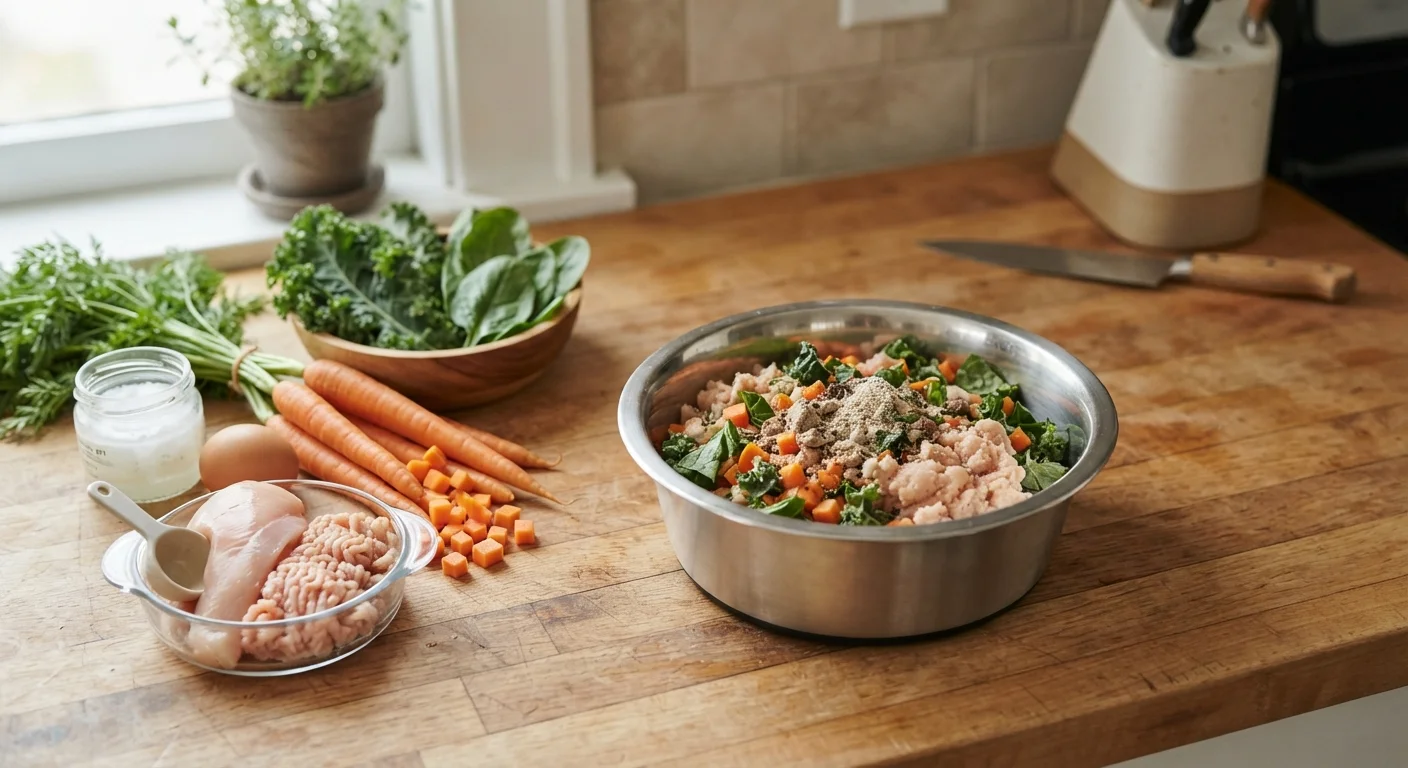
Photo credit: FindersGroove.com | Discover Important Information
In this article
Raw feeding is passionately debated in pet communities. Here's a balanced look at the nutritional arguments, known risks, and what veterinary bodies say.
Key Takeaways
- Raw diets are popular among some pet owners but lack robust long-term clinical evidence supporting their safety.
- Major veterinary organizations, including the AVMA, caution against raw feeding due to pathogen risks.
- Nutritional imbalances are common in homemade raw diets that aren't formulated by a veterinary nutritionist.
- Zoonotic disease transmission - from pet to human - is a documented concern with raw meat handling.
- Some commercially prepared raw diets undergo pathogen-reduction steps, but risks vary widely by product.
- Always consult a veterinarian before making significant changes to your pet's diet.
High moisture content supports natural hydration
Raw meat contains substantially more water than dry kibble, which may support kidney and urinary tract health - particularly relevant for cats, who often have low thirst drive.
Minimal processing preserves some natural nutrients
Cooking at high temperatures can degrade certain heat-sensitive vitamins and amino acids; advocates argue that raw diets retain more of these compounds in their original form.
May suit pets with specific protein sensitivities
Some owners report that switching to a limited-ingredient raw diet reduces GI upset or skin reactions in pets that have struggled with conventional commercial formulas, though individual responses vary.
Greater ingredient transparency for owners
Preparing or selecting raw meals allows owners to know exactly what proteins and whole foods their pet is consuming, without relying on rendered or processed ingredient categories.
Documented risk of bacterial contamination
Raw meat frequently carries pathogens such as Salmonella, Listeria, and Campylobacter. Both pets and humans in the household can be exposed through direct contact or environmental cross-contamination.
High rate of nutritional imbalance in homemade recipes
Peer-reviewed analyses of raw diet recipes found that the majority failed to meet established nutritional guidelines for dogs or cats, with deficiencies in minerals and vitamins being especially common.
Raw bones pose choking and injury risk
Bone fragments - even from raw bones - can splinter, causing mouth lacerations, esophageal damage, intestinal obstruction, or perforation in some animals.
Not appropriate for all life stages or health conditions
Immunocompromised pets, puppies, kittens, and pregnant animals are at elevated risk from pathogen exposure; a raw diet is generally contraindicated in these populations without close veterinary oversight.
Zoonotic disease risk to household members
The CDC has linked human Salmonella and Listeria infections to raw pet food handling; this risk is especially serious for children under five, elderly individuals, and immunocompromised people.
What Is a Raw Diet for Pets?
Raw pet diets - sometimes called BARF (Biologically Appropriate Raw Food) or prey-model diets - typically consist of uncooked muscle meat, organ meat, raw bones, and sometimes vegetables, fruits, or eggs. The concept is rooted in the idea that domesticated dogs and cats evolved from wild ancestors who consumed whole, unprocessed prey.
Raw feeding can take several forms: homemade meals assembled from grocery or butcher-sourced ingredients, commercially prepared frozen or freeze-dried raw products, or a hybrid approach that mixes raw components with conventional food. Each carries a distinct risk and nutritional profile, which makes blanket generalizations difficult.
If you're also trying to decode what goes into any pet food - raw or conventional - our guide on reading a pet food label covers ingredient lists and nutritional adequacy statements in plain terms.
What Advocates Claim
Proponents of raw feeding cite a range of potential benefits, many based on personal observation and community anecdote. Common claims include shinier coats, improved digestion, smaller stools, higher energy levels, better dental health, and reduced allergic responses. Some owners also report improvements in pets with chronic skin conditions or food sensitivities after switching to raw.
The philosophical argument is that commercial kibble - heavily processed and often grain-heavy - is biologically mismatched with carnivore physiology. Advocates argue that raw food preserves natural enzymes and nutrients that cooking destroys, and that species-appropriate diets produce healthier animals over the long term.
High moisture content supports natural hydration
Raw meat contains substantially more water than dry kibble, which may support kidney and urinary tract health - particularly relevant for cats, who often have low thirst drive.
Minimal processing preserves some natural nutrients
Cooking at high temperatures can degrade certain heat-sensitive vitamins and amino acids; advocates argue that raw diets retain more of these compounds in their original form.
May suit pets with specific protein sensitivities
Some owners report that switching to a limited-ingredient raw diet reduces GI upset or skin reactions in pets that have struggled with conventional commercial formulas, though individual responses vary.
Greater ingredient transparency for owners
Preparing or selecting raw meals allows owners to know exactly what proteins and whole foods their pet is consuming, without relying on rendered or processed ingredient categories.
It's worth noting that many of these reported benefits have not been systematically studied in controlled trials. Anecdotal improvement is meaningful to individual owners but cannot be taken as evidence of population-wide efficacy or safety.
What Veterinary Research and Organizations Show
The scientific consensus among major veterinary bodies is considerably more cautious. The American Veterinary Medical Association (AVMA), the American Animal Hospital Association (AAHA), and the WSAVA all discourage raw protein diets, primarily due to the risk of pathogen contamination.
~21%
Commercial raw pet foods testing positive for Salmonella
A FDA sampling study found Salmonella in approximately 21% of raw pet food samples tested, compared to much lower rates in dry commercial foods.
>60%
Homemade raw recipes with nutritional deficiencies
Multiple peer-reviewed studies evaluating published raw diet recipes found that more than 60% did not meet AAFCO or NRC minimum nutritional requirements for dogs or cats.
Studies have detected Salmonella, Listeria, E. coli, and other pathogens in commercially available raw pet foods. These organisms can sicken pets - particularly immunocompromised animals, puppies, and kittens - and pose a zoonotic risk to humans in the household, including children and elderly individuals. The CDC has documented human illness clusters linked to handling raw pet food.
On the nutritional side, multiple studies evaluating homemade raw recipes found that a significant proportion were deficient in key nutrients - calcium, phosphorus, zinc, and essential vitamins among them. This is especially concerning for growing animals, where imbalances can cause skeletal or developmental problems. For context on how nutrition shapes overall pet health, see our piece on weight management in pets.
Documented risk of bacterial contamination
Raw meat frequently carries pathogens such as Salmonella, Listeria, and Campylobacter. Both pets and humans in the household can be exposed through direct contact or environmental cross-contamination.
High rate of nutritional imbalance in homemade recipes
Peer-reviewed analyses of raw diet recipes found that the majority failed to meet established nutritional guidelines for dogs or cats, with deficiencies in minerals and vitamins being especially common.
Raw bones pose choking and injury risk
Bone fragments - even from raw bones - can splinter, causing mouth lacerations, esophageal damage, intestinal obstruction, or perforation in some animals.
Not appropriate for all life stages or health conditions
Immunocompromised pets, puppies, kittens, and pregnant animals are at elevated risk from pathogen exposure; a raw diet is generally contraindicated in these populations without close veterinary oversight.
Zoonotic disease risk to household members
The CDC has linked human Salmonella and Listeria infections to raw pet food handling; this risk is especially serious for children under five, elderly individuals, and immunocompromised people.
Navigating the Decision Responsibly
If you are considering a raw diet for your pet, veterinary guidance is essential - not optional. A board-certified veterinary nutritionist can assess whether a raw diet is appropriate for your specific animal, identify formulation gaps, and recommend pathogen-mitigation practices. This is particularly important for pets with compromised immune systems, underlying health conditions, or life-stage needs (puppies, kittens, seniors, pregnant animals).
When Veterinary Oversight Is Non-Negotiable
Puppies and kittens, senior pets, and animals undergoing chemotherapy or managing chronic illness have immune systems that are less equipped to handle foodborne pathogens. If your pet falls into any of these categories, the AVMA and AAHA specifically advise against raw diets. A veterinarian can help you identify the safest and most nutritionally complete feeding strategy for your animal's particular needs.
Households with young children, pregnant individuals, elderly members, or immunocompromised people face a meaningfully elevated risk from raw meat handling and should discuss this with both a veterinarian and a human healthcare provider before proceeding.
For owners committed to scrutinizing what goes into their pet's food regardless of diet type, understanding label language is a foundational skill. Our article on pet nutrition labels explained breaks down guaranteed analysis panels and AAFCO nutritional adequacy statements clearly.
Raw feeding is not the only path to a thoughtful, high-quality diet. Comparing dry and wet commercial foods offers another useful lens for evaluating your options without the contamination risks.
This article is for general informational purposes only and does not constitute veterinary or medical advice. Always consult a licensed veterinarian before making changes to your pet's diet.

Author
Pets & Animal Life Editorial Team
Pets & Animal Life Editorial Team is the collective byline for our editorial team and contributor network. Articles published under this byline or an editorial pen name are researched, written, and reviewed according to our editorial standards for clarity, consistency, and independence before publication.
View all articles →