
Weight Management in Pets: Why the Scale Isn't the Whole Picture
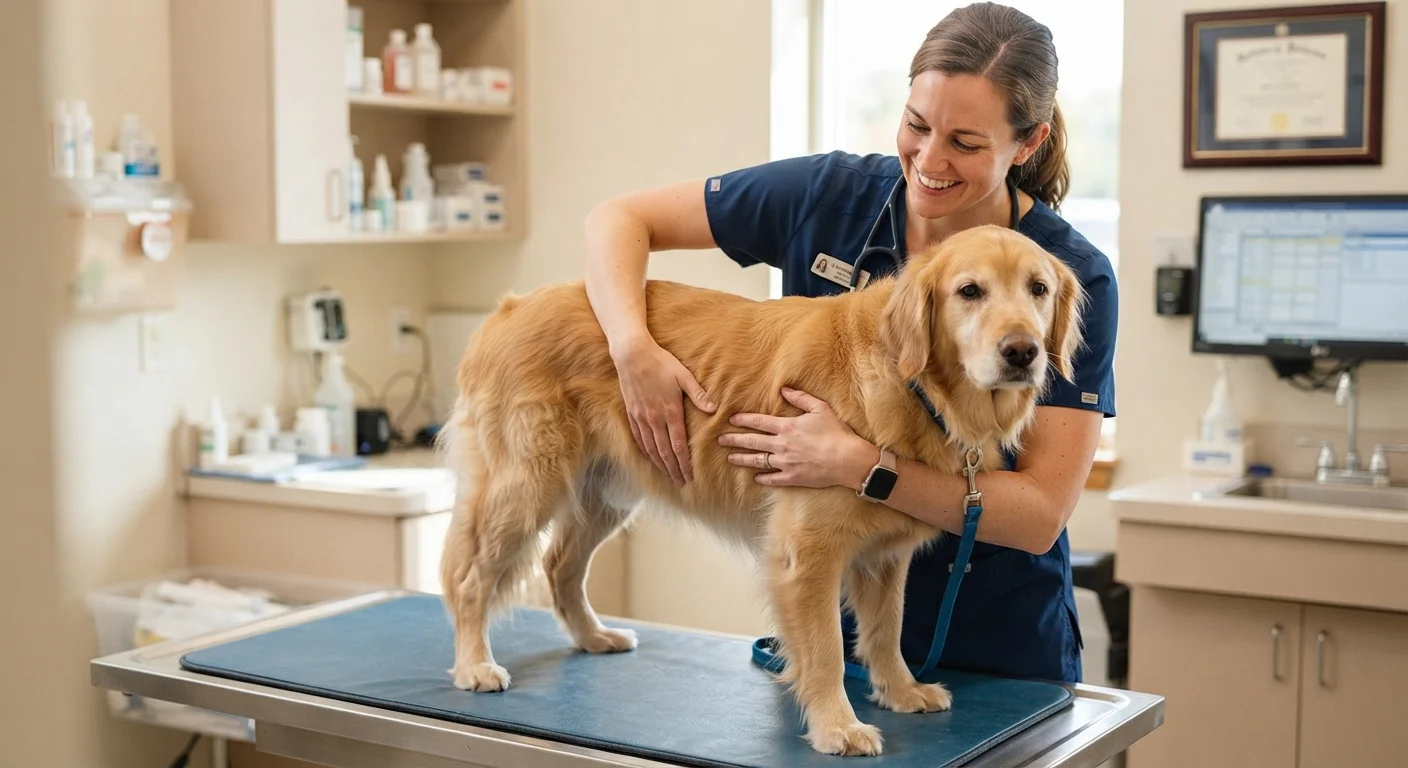
Photo credit: FindersGroove.com | Discover Important Information
In this article
Obesity in pets is a growing welfare issue, but weight alone doesn't tell the full story. Learn how body condition scoring works and why it matters more.
Key Takeaways
- A pet's weight alone cannot determine whether they are at a healthy body composition.
- Body condition scoring uses a 1-9 scale to assess fat coverage and overall frame proportions.
- Overweight pets face significantly elevated risks of diabetes, joint disease, and reduced lifespan.
- You can perform a basic BCS check at home between vet visits using touch and observation.
- Gradual, vet-guided caloric adjustment is safer than abrupt diet changes for weight loss.
Why Weight Alone Misleads Pet Owners
It's a reasonable instinct: if your veterinarian says your dog should weigh around 50 pounds, you track the number on the scale and feel reassured when it's close. But two dogs of identical weight can have radically different body compositions - one lean and muscular, the other carrying a layer of fat that strains their joints and organs. Weight is a single data point; what it measures is mass, not health.
This gap is why veterinary professionals rely on body condition scoring (BCS) rather than weight targets alone. A Labrador Retriever, a Greyhound, and a Basset Hound might all weigh 55 pounds in ways that are, respectively, healthy, dangerously underweight, and dangerously overweight. Breed standard weight ranges offer a rough reference, but they can't capture individual variation in bone structure and muscle development.
For pet owners, the practical takeaway is this: ask your vet for your pet's BCS at every exam, not just their weight. That number tells a more useful story. Foundational pet care resources can also help you build a framework for ongoing wellness tracking.
How Body Condition Scoring Works
The most widely used BCS system runs from 1 to 9, where 1 represents severe emaciation and 9 represents extreme obesity. Scores of 4 and 5 fall in the ideal range for most dogs and cats. The assessment combines visual observation with hands-on palpation - a deliberate choice, since a thick coat can obscure significant fat deposits.
Here's what each zone of the scale signals:
- 1-3 (Underweight): Ribs, spine, and hip bones are visibly prominent; little to no fat cover; muscle wasting may be present.
- 4-5 (Ideal): Ribs are easily felt with minimal pressure but not visible; a clear waist is visible from above; slight abdominal tuck present from the side.
- 6-7 (Overweight): Ribs require firm pressure to feel; waist is absent or barely visible; fat deposits noticeable over the lower back and tail base.
- 8-9 (Obese): Ribs cannot be felt under heavy fat cover; no waist; prominent fat deposits on neck, limbs, and abdomen.
You can perform a simplified version of this check at home between vet visits. Place both thumbs along your pet's spine and spread your fingers across the ribcage. You should feel each rib without pressing hard. Step back and look: is there a discernible waist? Does the belly slope upward behind the ribs? These are practical indicators your vet can help you calibrate.
~60%
US dogs and cats assessed as overweight or obese
The Association for Pet Obesity Prevention has consistently found overweight and obesity rates near or above 60% in dogs and cats in annual US clinical surveys.
1.8 years
Estimated lifespan reduction in overweight dogs
A long-term study published in the Journal of Veterinary Internal Medicine found overweight Labrador Retrievers lived nearly two fewer years than their ideal-weight counterparts.
1-9
BCS scale range used in veterinary practice
The 9-point body condition score scale is the most widely adopted standard in North American veterinary practices for assessing fat coverage and body composition.
The Real Health Stakes of Pet Obesity
Obesity in companion animals is not a cosmetic concern - it is a welfare issue with measurable consequences. Excess body fat is associated with a range of serious conditions, including type 2 diabetes in cats, osteoarthritis, respiratory compromise, hypertension, and certain cancers. Research has also linked obesity to shortened lifespan in dogs, with some studies suggesting overweight dogs may live significantly fewer years than their leaner counterparts.
Cats face a particular risk: when an overweight cat stops eating - due to illness, stress, or an overly aggressive diet - their body mobilizes fat stores rapidly, which can overwhelm the liver and cause hepatic lipidosis (fatty liver disease), a potentially fatal condition. This is why any weight loss plan for a cat must be gradual and supervised by a veterinarian.
Understanding what healthy nutrition looks like is part of this picture too. Our guide on reading a pet food label walks through what the information on packaging actually tells you - and what it doesn't.
“We often see pets that owners describe as 'a little chunky' who are already at a body condition score of 7 or 8. By the time excess weight is visible to owners, the health burden has often been accumulating for some time. Early, consistent assessment makes a real difference.”
— Dr. Ernie Ward, Veterinarian and founder of the Association for Pet Obesity Prevention
Practical Steps Toward Healthier Weight
If your pet's BCS falls outside the ideal range, the path forward involves more than simply feeding less. A veterinarian can help identify contributing factors - from caloric density of the current food to underlying conditions like hypothyroidism - before recommending a plan.
A few evidence-informed principles apply broadly:
- Measure portions accurately. Feeding by feel or filling the bowl leads to consistent overfeeding. Use a kitchen scale or a standardized measuring cup, and follow feeding guidelines as a starting point - not a fixed rule.
- Account for all calories. Treats, chews, table scraps, and food toppers all contribute to daily intake. A general veterinary guideline suggests treats should not exceed 10% of daily caloric needs.
- Prioritize regular movement. Consistent, appropriate exercise helps maintain muscle mass and metabolic rate, which matters as much as restricting calories.
- Recheck frequently. Weight and BCS should be reassessed every four to six weeks during an active weight management program so adjustments can be made.
Choosing the right food format can also matter. See our breakdown of dry food vs. wet food for a closer look at how moisture content and caloric density differ. And if you've encountered conflicting health advice about your pet, common pet health myths debunked is a useful corrective.
Do a Quick BCS Check at Home
Once a month, run your hands firmly but gently along your pet's ribcage. You should feel ribs with light pressure - not see them, and not have to press hard to find them. Stand above your pet and look for a visible waist behind the ribs. If either check raises a concern, bring it up at your next vet visit rather than waiting for the annual exam.
This article is for general informational purposes only and does not constitute veterinary medical advice. Always consult a licensed veterinarian before making changes to your pet's diet, exercise routine, or health management plan.
Frequently Asked Questions

Author
Pets & Animal Life Editorial Team
Pets & Animal Life Editorial Team is the collective byline for our editorial team and contributor network. Articles published under this byline or an editorial pen name are researched, written, and reviewed according to our editorial standards for clarity, consistency, and independence before publication.
View all articles →