
DIY Car Maintenance vs. Taking It to a Mechanic
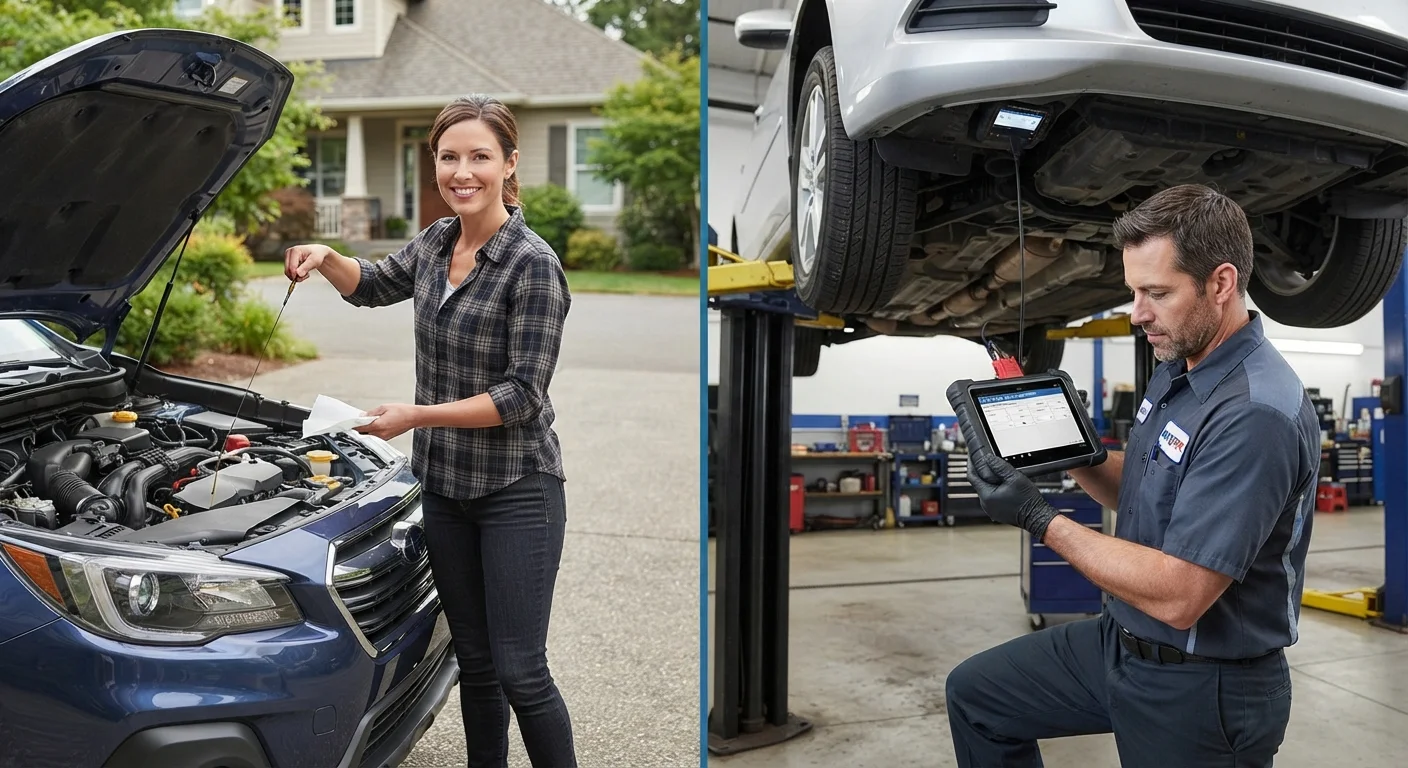
Photo credit: FindersGroove.com | Discover Important Information
In this article
Some jobs are easy to do yourself; others genuinely need a professional. Here's how to tell the difference before you start.
Key Takeaways
- Routine tasks like oil checks, air filters, and wiper blades are manageable for most drivers with basic tools.
- Brake system work, electrical diagnostics, and suspension repairs generally require professional equipment and training.
- Attempting the wrong job yourself can void warranties, create safety hazards, or cost more to fix.
- Understanding your skill level and vehicle complexity is the first step before any DIY attempt.
- A hybrid approach - doing simple tasks yourself while delegating complex ones - is practical and cost-effective.
Why the DIY vs. Mechanic Question Actually Matters
Car maintenance sits at an interesting crossroads: some tasks are genuinely straightforward, while others carry real risks if done incorrectly. Getting this distinction wrong in either direction costs you - either you overpay a shop for a five-minute job, or you attempt a repair that damages your vehicle or compromises your safety.
If you're new to car ownership, start with our Car Maintenance for Complete Beginners guide before deciding what to tackle yourself. And if you want a clear picture of what professionals actually check during a service visit, see what happens during a routine car service.
The goal here isn't to push you toward one approach - it's to give you a reliable framework for making the call yourself.
What You Can Realistically Handle at Home
Several maintenance tasks are designed to be owner-accessible. They require basic tools, carry low safety risk, and are well-documented in most owner's manuals.
- Fluid level checks and top-ups: Engine oil, coolant, windshield washer fluid, and brake fluid reservoirs are accessible without lifting the car. Our practical fluid-checking walkthrough covers each one step by step.
- Cabin and engine air filter replacement: Both typically involve removing a housing clip or a few screws - no special tools needed.
- Wiper blade replacement: Straightforward on most vehicles; instructions are often printed on the replacement packaging.
- Tire pressure checks and inflation: A basic pressure gauge or a service station air pump is all you need.
- Battery terminal cleaning: Disconnecting and cleaning corroded terminals is manageable if you follow safety steps (disconnect negative first, wear eye protection).
Build Confidence Gradually
Start with the simplest tasks - checking tire pressure or replacing wiper blades - before moving on to anything involving the engine bay. Each successful job builds the familiarity with your specific vehicle that makes the next task easier and safer.
Tasks like these also tend to be the ones most commonly neglected. See our piece on overlooked maintenance tasks that quietly shorten a car's life for a fuller picture of what gets skipped.
When You Should Hand It Over to a Professional
Some jobs look approachable on the surface but involve systems where an error has serious consequences. These are the situations where a qualified mechanic's experience, lift equipment, and diagnostic tools genuinely earn their cost.
Don't Let Confidence Outpace Competence
Watching a repair video and successfully completing a repair are not the same thing. Brake, suspension, and electrical jobs have genuine injury and liability implications if done incorrectly. When in doubt, get a second opinion from a licensed mechanic rather than pressing forward.
- Brake system work: Pad replacement may seem simple, but improper installation can cause brake failure. Rotors, calipers, and brake lines are higher-stakes still.
- Suspension and steering components: Incorrect reassembly can make a vehicle dangerously unpredictable, particularly at highway speeds.
- Electrical and check-engine diagnostics: Modern vehicles require OBD-II scan tools and manufacturer-specific software to read fault codes accurately. Guessing at the cause wastes money and time.
- Timing belt or chain service: Precise tensioning and alignment are critical - a mistake here can destroy an engine.
- Transmission service: Fluid type, fill level, and procedure vary significantly by vehicle and require specialized knowledge.
Beyond capability, consider your vehicle's warranty status. Some repairs performed outside a licensed shop can affect manufacturer or extended warranty coverage - review your documentation before proceeding.
Comparing the Two Approaches
The table below breaks down the key practical differences to help you think through each situation clearly.
| DIY Maintenance | Professional Mechanic | |
|---|---|---|
| Upfront cost | Lower (parts only) | Higher (parts + labor) |
| Skill requirement | Low to moderate for basic tasks | Trained and certified |
| Tools needed | Basic hand tools for most tasks | Professional shop equipment |
| Safety-critical repairs | Not recommended | Appropriate and accountable |
| Warranty implications | Potential risk if done incorrectly | Generally warranty-safe |
| Diagnostic capability | Limited without scan tools | Full software and hardware access |
| Best suited for | Filters, fluids, wipers, tires | Brakes, electrical, transmission |
Keep in mind that even if you choose DIY for a task, doing it sloppily costs more than paying a mechanic. Poor driving habits compound the problem - see how everyday driving habits quietly wear down your vehicle to understand where maintenance and behavior intersect.
Making the Call: A Practical Decision Framework
Before starting any maintenance task, run through these four questions:
- Is it safety-critical? Brakes, steering, tires, and suspension directly affect your ability to control the vehicle. Default to a professional unless you have verified, hands-on experience.
- Do I have the right tools? Some jobs need torque wrenches, specialty sockets, or scan tools. Improvising with the wrong tool often creates a second problem.
- Can I find reliable, vehicle-specific instructions? Your owner's manual is the first source. Repair manuals (such as those from ALLDATA or similar services) provide model-specific procedures that generic videos may omit.
- What's the cost of a mistake? If getting it wrong means a $50 inconvenience, that's different from a repair that could cost thousands or compromise your safety.
A hybrid approach - handling fluid checks, filters, and wiper blades yourself while leaving brakes and diagnostics to a certified technician - is what most mechanically aware drivers settle into over time. It's not an all-or-nothing choice. The Car Ownership Basics hub has more guidance on building this kind of practical knowledge base.

Author
Autos & Driving Editorial Team
Autos & Driving Editorial Team is the collective byline for our editorial team and contributor network. Articles published under this byline or an editorial pen name are researched, written, and reviewed according to our editorial standards for clarity, consistency, and independence before publication.
View all articles →