
Everyday Driving Habits That Quietly Wear Down Your Vehicle
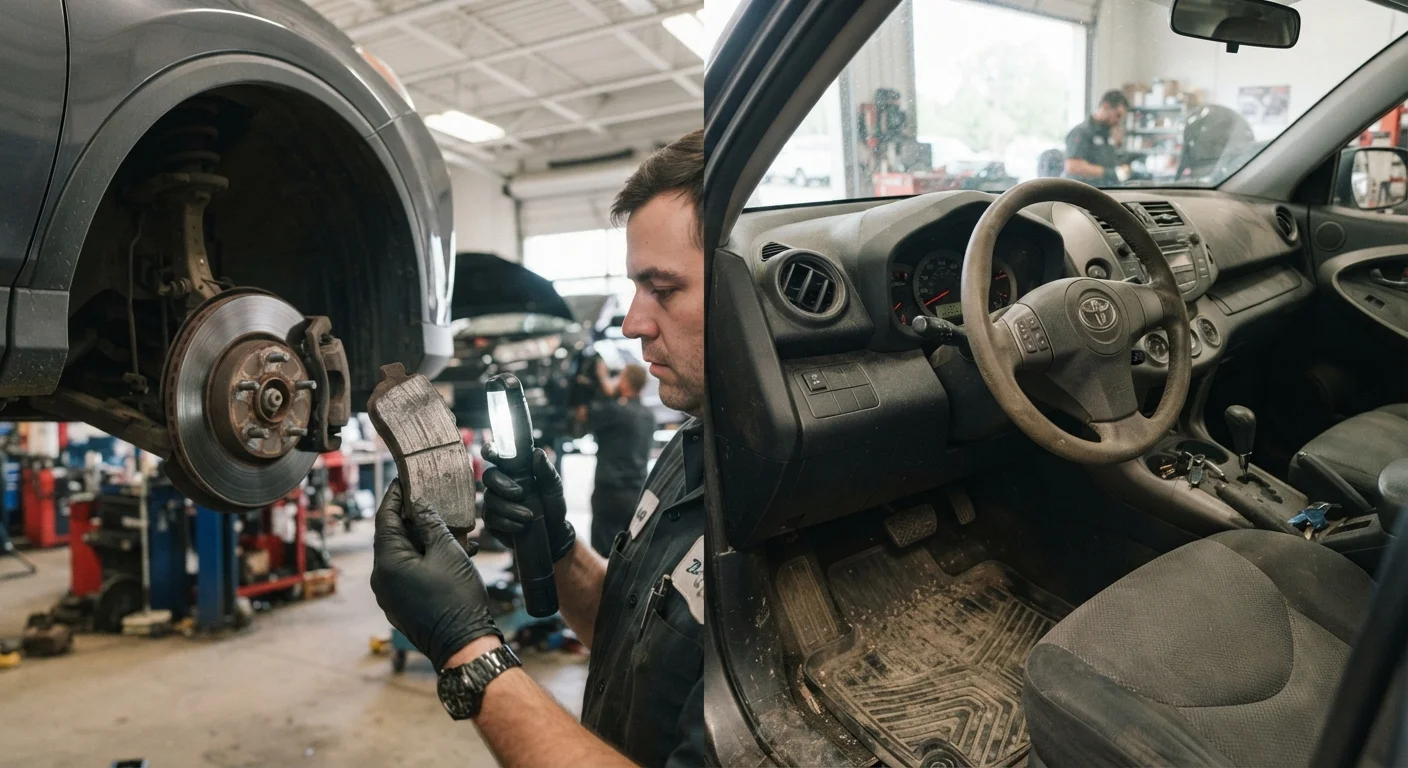
Photo credit: FindersGroove.com | Discover Important Information
In this article
Hard braking, riding the clutch, overloading—small habits add up to big repair bills. Learn which common behaviours are hardest on your car.
Key Takeaways
- Hard braking and rapid acceleration are among the fastest ways to wear out brakes and drivetrain components.
- Riding the clutch and resting your hand on the gear shifter silently damage transmission parts over time.
- Overloading your vehicle stresses suspension, brakes, and tyres beyond their designed limits.
- Short trips that never fully warm up the engine cause accelerated oil contamination and internal wear.
- Low fuel levels regularly expose the fuel pump to heat damage that shortens its lifespan.
How Your Daily Habits Shape Your Car's Lifespan
Most vehicle wear doesn't happen in a single dramatic moment - it accumulates quietly through small decisions made hundreds of times a year. The way you brake, accelerate, load cargo, and even rest your hand on the shifter all send wear signals through your car's mechanical systems. Understanding these patterns is the foundation of smart car ownership.
This isn't about driving perfectly. It's about recognising which habits carry outsized mechanical costs so you can make informed choices. The behaviours below are among the most common - and the most underestimated.
Hard Braking at the Last Moment
Waiting until you're close to a stop before pressing the brake pedal firmly forces the pads and rotors to absorb energy rapidly. Over time, this glazes brake pads, scores rotor surfaces, and generates heat that degrades brake fluid - all of which reduce stopping effectiveness. Anticipating traffic flow and easing off the accelerator early gives friction components far less work to do. For a clearer picture of what's myth and what's real in brake care, brake wear myths worth knowing is worth reviewing.
Anticipating stops early reduces heat and extends brake pad life significantly.
Aggressive Acceleration From a Standstill
Flooring the throttle from a stop puts immediate high torque through the drivetrain - stressing axles, CV joints, and the transmission. In rear-wheel-drive vehicles, it also spins tyres, accelerating tread wear. Gradual acceleration distributes mechanical load more evenly, improves fuel economy, and reduces the thermal stress on engine components. This pairs directly with fuel efficiency habits - smoother driving benefits both your car and your fuel costs.
Gradual acceleration distributes drivetrain stress evenly and improves fuel economy.
Riding the Clutch in Traffic
In manual transmission vehicles, partially depressing the clutch pedal to creep forward in slow traffic - rather than fully engaging or disengaging - keeps the clutch disc in a slipping state. This generates friction and heat that wears the disc material prematurely. A replacement clutch assembly is a significant repair cost. In stop-and-go conditions, it's mechanically kinder to come to a full stop and use the brake, then engage cleanly when traffic moves.
Partial clutch engagement in traffic is one of the costliest transmission habits to maintain.
Resting Your Hand on the Gear Shifter
It feels natural, but keeping your hand on the gear shifter applies light, continuous pressure to the selector fork inside the transmission - a component not designed to bear weight during driving. Over thousands of miles, this accelerates wear on internal transmission parts that are expensive to access and replace. Keeping both hands on the wheel is the ergonomically and mechanically correct posture.
Light hand pressure on the shifter gradually wears internal transmission components over time.
Consistently Running on a Low Fuel Tank
Modern fuel pumps are submerged in the fuel tank and rely on petrol or diesel for cooling. Running regularly on a near-empty tank exposes the pump to air and heat, shortening its service life. Fuel also acts as a mild lubricant for pump internals. Keeping the tank above a quarter full is a simple habit that protects a component whose replacement typically runs into several hundred dollars. Dashboard warning lights for low fuel are worth acting on promptly rather than testing how far the tank can stretch.
Running on near-empty regularly exposes the fuel pump to heat and accelerated wear.
Overloading the Vehicle
Every vehicle has a Gross Vehicle Weight Rating (GVWR) - the maximum total weight it's engineered to handle safely, including passengers and cargo. Exceeding this figure stresses the suspension, compresses springs beyond their intended range, overloads tyres (increasing blowout risk), and forces the brakes to work harder to slow a heavier mass. Check your owner's manual for payload capacity before loading up for a long trip or hauling heavy materials. For tyre-specific guidance, tyre pressure and tread depth basics explains how load affects inflation requirements.
Exceeding your car's payload rating stresses tyres, suspension, and brakes simultaneously.
Exclusively Making Short Trips
Short journeys - under five miles - rarely give the engine enough time to reach full operating temperature. When an engine runs cold, combustion is less complete, allowing fuel residue and moisture to accumulate in the oil. This contaminates the lubricant faster, increasing internal engine wear between oil changes. If short trips are unavoidable, more frequent oil changes may be warranted - your owner's manual often specifies a 'severe duty' interval for exactly this usage pattern.
Short cold trips contaminate engine oil faster than highway driving at the same mileage.
Building Better Habits Behind the Wheel
Changing ingrained driving behaviour takes deliberate practice, but the mechanical and financial returns are substantial. Smoother inputs - gentler braking, gradual acceleration, appropriate loading - reduce the rate at which components wear, which translates directly into fewer repair visits and longer service intervals.
Make Smooth Inputs a Deliberate Practice
Try the 'glass of water' mental model: drive as though a full glass sits on your dashboard. This framing encourages gradual braking, smooth acceleration, and gentle cornering - all of which reduce wear across multiple systems simultaneously. Even applying this approach during one commute per day builds better mechanical instincts over time.
If you're unsure whether a specific habit has already caused damage, a qualified mechanic can inspect wear indicators on brakes, tyres, clutch, and suspension during a standard service. Our guide to DIY vs. professional maintenance can help you decide which concerns to tackle yourself and which need expert attention.
Driving is a lifestyle skill - one that shapes not just safety but the long-term cost and reliability of a vehicle you depend on every day. For a broader look at behaviours that compound into early breakdowns, see habits that quietly shorten your car's lifespan.

Author
Autos & Driving Editorial Team
Autos & Driving Editorial Team is the collective byline for our editorial team and contributor network. Articles published under this byline or an editorial pen name are researched, written, and reviewed according to our editorial standards for clarity, consistency, and independence before publication.
View all articles →