
Habits That Quietly Shorten Your Car's Lifespan
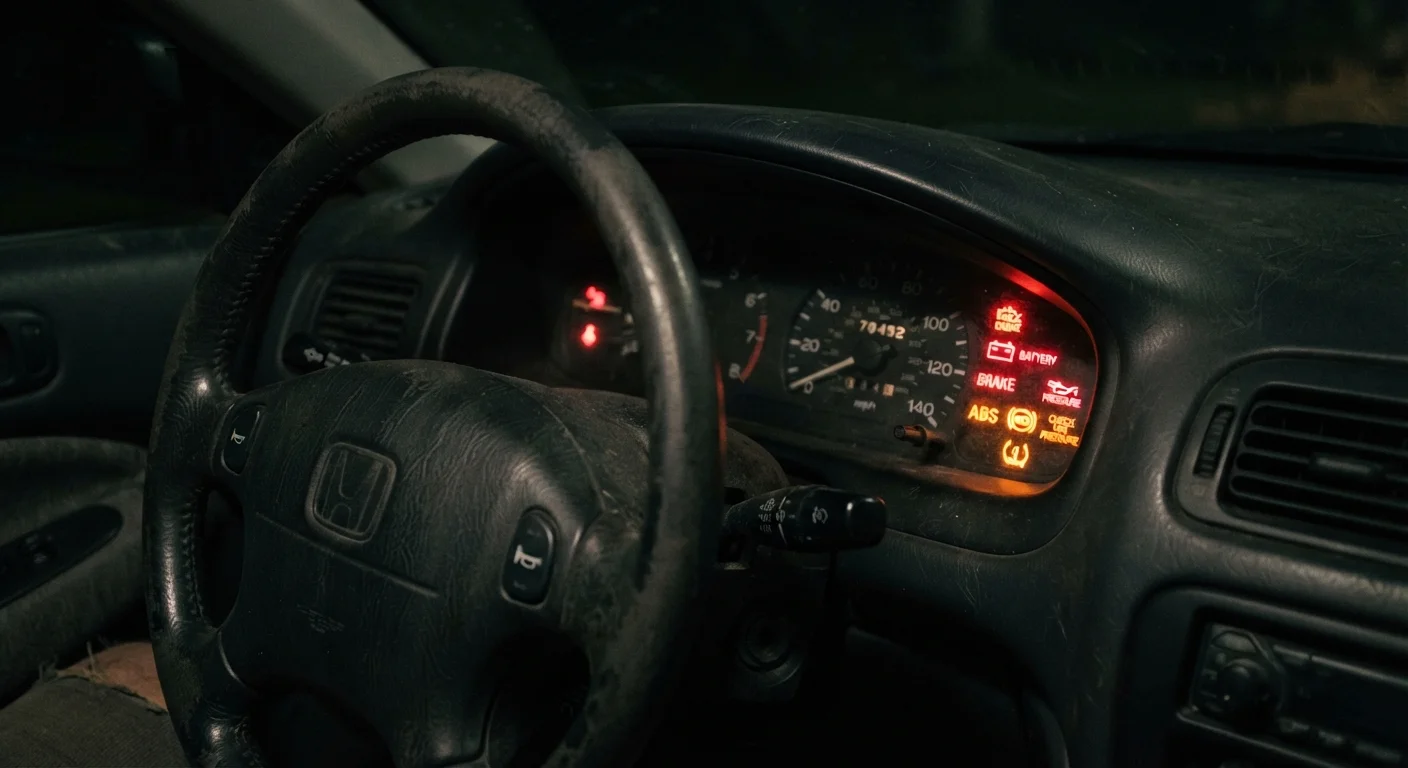
Photo credit: FindersGroove.com | Discover Important Information
In this article
Riding the clutch, ignoring low fuel warnings, skipping coolant checks — everyday behaviours that cause wear most drivers never connect to early breakdowns.
Key Takeaways
- Many habits that shorten a car's lifespan feel harmless in the moment but compound into costly repairs.
- Running a car on a near-empty tank regularly can damage the fuel pump over time.
- Riding the clutch and aggressive braking accelerate wear on components that are expensive to replace.
- Skipping coolant and fluid checks is one of the fastest routes to engine damage.
- Small, consistent habits - not just scheduled servicing - determine how long a car lasts.
Why Everyday Habits Matter More Than You'd Think
Most drivers think about car care in terms of scheduled services - oil changes, tyre rotations, annual inspections. But the condition of a vehicle at any given moment is shaped far more by what happens between those appointments than during them. Small, repeated behaviours accumulate quietly, stressing components in ways that don't show up until a repair bill arrives.
This is especially true for first-time car owners, who often inherit habits from early driving experiences without anyone explaining the mechanical consequences. The good news: once you understand why a habit causes damage, it's usually straightforward to change. The Maintenance & Upkeep hub covers the scheduled side of car care - this article focuses on what you do every day behind the wheel.
Regularly running the fuel tank to near-empty before refuelling.
Why it happens: Many drivers treat the fuel warning light as the real 'empty' marker, not realising the light typically activates with only a small reserve remaining.
Riding the clutch - keeping the clutch pedal partially depressed while driving or at stops.
Why it happens: It's a habit that often develops early in learning to drive a manual, particularly on hills, because it feels like maintaining control.
Ignoring coolant levels and skipping coolant system checks between services.
Why it happens: Coolant doesn't get discussed as often as oil, so many first-time owners don't realise it degrades and can drop below safe levels.
Hard, frequent braking instead of gradual deceleration.
Why it happens: Drivers often focus on how quickly they accelerate without thinking about how they stop, and urban stop-start traffic can make aggressive braking feel normal.
Skipping tyre pressure checks and ignoring gradual pressure loss.
Why it happens: Pressure loss is slow and invisible - tyres can drop significantly below recommended levels before they visibly look flat.
Starting the car and immediately driving hard before the engine has reached operating temperature.
Why it happens: The old advice about warming up for several minutes led many drivers to overcorrect in the other direction, assuming modern engines need no warm-up at all.
The Compounding Cost of Overlooked Details
None of the habits above cause instant failure. That's precisely what makes them easy to dismiss. A clutch that slips occasionally, a tank run dry a few times a month, tyres that ride five PSI low for a year - each instance feels inconsequential. The mechanical reality is different: wear is cumulative, and components that degrade faster than expected rarely announce themselves early.
Low Oil Pressure Is an Emergency
If your oil pressure warning light activates while driving, pull over safely and turn off the engine as soon as it is safe to do so. Continuing to drive with low oil pressure can cause catastrophic engine damage within minutes. Do not rely on the light alone - check oil levels regularly between service intervals.
Pairing attentive driving habits with good service discipline is the combination that keeps vehicles reliable over the long term. If you're also wondering whether certain maintenance tasks are slipping through the cracks entirely, overlooked maintenance tasks that quietly shorten a car's life covers items like transmission fluid and serpentine belts that rarely get discussed. And for drivers who don't put many miles on their car, keeping a car in good shape when you barely drive it is worth a read - infrequent use creates its own wear patterns.
Overheating Can Destroy an Engine Quickly
A temperature gauge climbing into the red is not something to push through. Driving an overheating engine - even for a few more miles - can warp cylinder heads or crack the engine block, turning a manageable repair into a complete engine replacement. Pull over safely, allow the engine to cool, and seek professional assistance before continuing.
The vehicles that reach high mileage reliably are almost never the result of luck. They reflect consistent, informed ownership - the kind that long-term habits for high-mileage cars breaks down in practical terms.

Author
Autos & Driving Editorial Team
Autos & Driving Editorial Team is the collective byline for our editorial team and contributor network. Articles published under this byline or an editorial pen name are researched, written, and reviewed according to our editorial standards for clarity, consistency, and independence before publication.
View all articles →