
The Long-Term Habits That Keep a High-Mileage Car Reliable
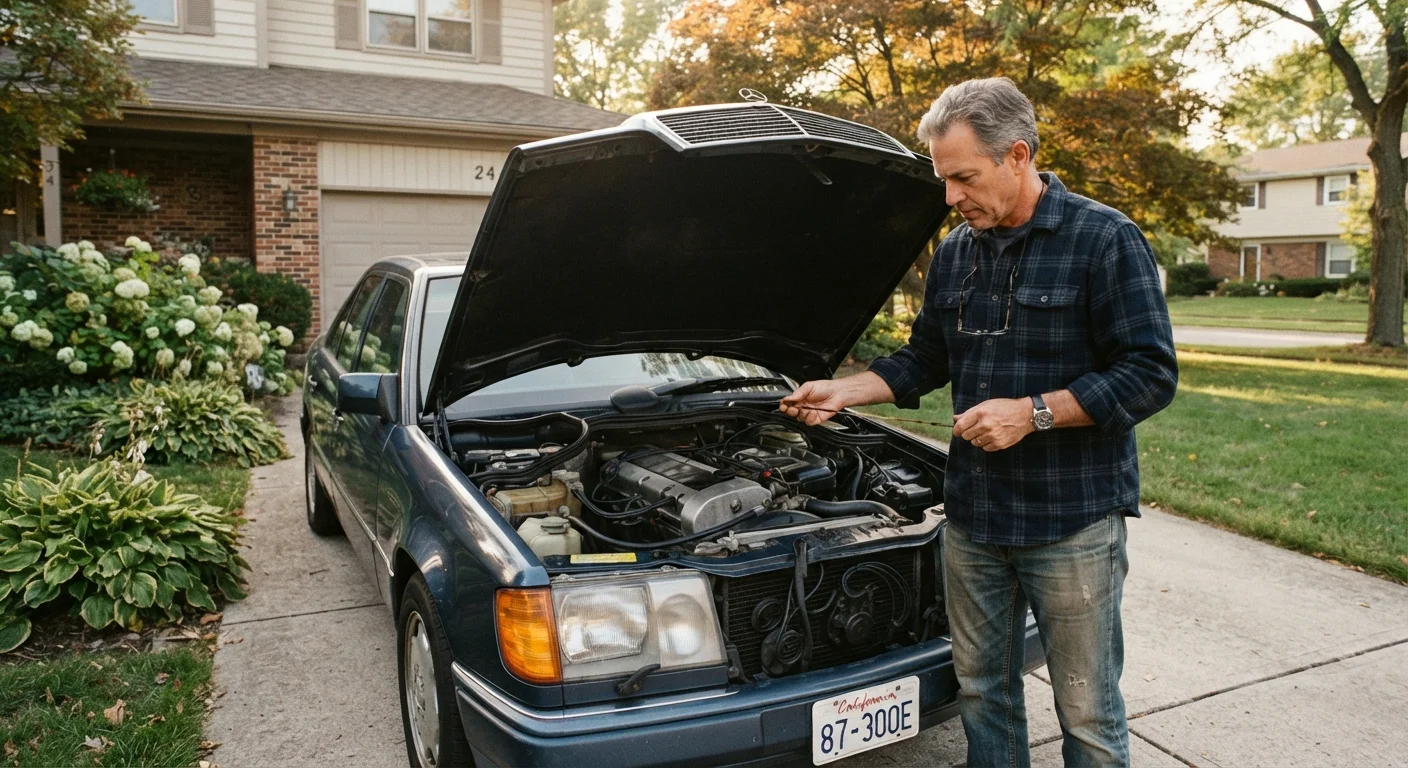
Photo credit: FindersGroove.com | Discover Important Information
In this article
Reaching 100,000 miles doesn't mean a car is done. These consistent maintenance habits help older vehicles stay dependable for longer.
Key Takeaways
- Oil changes and fluid top-offs remain the single most impactful maintenance habit past 100,000 miles.
- Catching small issues early - through regular visual checks - prevents expensive cascading failures.
- Many high-mileage maintenance tasks are straightforward enough to handle yourself with basic tools.
- Consistent records of every service interval help you stay ahead of wear and spot patterns over time.
Why High Mileage Demands a Different Mindset
Crossing 100,000 miles is often treated as a warning sign. In reality, it's simply a checkpoint that demands more deliberate attention, not panic. Seals harden, gaskets compress, and belts develop micro-cracks - none of these are emergencies if you're monitoring them. The drivers who keep high-mileage cars running reliably share one trait: they shift from reactive to proactive. Instead of waiting for a warning light, they build habits that surface problems while they're still cheap to fix.
This guide focuses on exactly that - the consistent routines that separate a car that hits 200,000 miles from one that becomes a liability at 130,000. Many of these tasks require no mechanical expertise, just regularity. If you've also noticed your everyday habits quietly shortening your car's lifespan, the good news is that the corrective habits are equally accessible.
Core Practices That Protect a High-Mileage Engine
These aren't suggestions - they're the mechanical fundamentals that make the difference between a car that ages well and one that doesn't.
Change engine oil on schedule - or more frequently if you're past 100k miles.
Oil degrades faster in high-mileage engines because of increased blow-by (combustion gases entering the crankcase) and accumulated sludge. Fresh oil maintains the lubrication film that prevents metal-on-metal wear on already-aged components. Stretching intervals at this stage accelerates bearing and piston wear significantly.
Inspect and top off all fluids monthly, not just oil.
Coolant, brake fluid, power steering fluid, and transmission fluid all degrade over time. High-mileage vehicles can develop slow leaks at aged gaskets and seals that aren't yet large enough to leave puddles but will gradually starve critical systems. Monthly checks catch these before they become failures.
Rotate tires every 5,000-7,000 miles and check pressure weekly.
Uneven tire wear on older vehicles often signals worn suspension components that haven't been replaced yet. Rotating tires spreads wear evenly and extends tire life, while correct pressure reduces rolling resistance and stress on wheel bearings - components that are more vulnerable past 100k.
Keep a close eye on the cooling system - flush and fill on schedule.
Coolant loses its anti-corrosive additives over time, accelerating rust inside the radiator and engine block. On a high-mileage vehicle, a cooling system failure can quickly escalate to a warped head gasket - one of the most expensive repairs any car can need. Prevention here is dramatically cheaper than the cure.
Address minor leaks, unusual sounds, and warning lights immediately.
High-mileage vehicles have less mechanical buffer. A small oil leak that's annoying on a new engine can accelerate to an expensive failure on one with 150,000 miles because the surrounding components are already operating closer to tolerance limits. Early intervention consistently costs less than deferred repair.
One important note: high-mileage vehicles often benefit from slightly thicker oil viscosities or formulations specifically designed for older engines. Check your owner's manual first, and consult a qualified mechanic before switching grades - the right call depends on your specific engine and climate.
Quick Wins You Can Act on This Week
Not every good habit takes an afternoon. Some of the most impactful actions for a high-mileage vehicle take under ten minutes and cost nothing. Start here.
For a broader look at the tasks most drivers skip without realizing the consequences, see our article on overlooked maintenance tasks that quietly shorten a car's life.
High-Mileage Vehicles Have Unique Needs
Not all maintenance advice scales equally from new to older vehicles. Gaskets, seals, and sensors that are perfectly fine on a 30,000-mile car may be nearing the end of their service life at 120,000 miles. When in doubt about whether a part or fluid is still within acceptable condition, a second opinion from a trusted, qualified mechanic is always worthwhile - especially before a long road trip or seasonal change.
Building a System That Keeps You Consistent
Sporadic maintenance is often worse than no plan at all, because it creates a false sense of security. The most effective approach is a simple logged system: a notes app, a glove-box notebook, or a free spreadsheet tracking every oil change, fluid top-off, tire rotation, and inspection date. When you can see the full history at a glance, you stop guessing - you know when the coolant was last flushed or when the serpentine belt is due.
8 years
Average age of vehicles on US roads
According to S&P Global Mobility data, the average age of light vehicles in operation in the United States has been rising steadily, underscoring how critical long-term maintenance habits have become.
$1,200+
Typical cost of a head gasket repair
Industry repair databases consistently show head gasket failures - often caused by cooling system neglect - among the most expensive non-collision repairs a driver can face.
Driving style also plays a direct role. Smooth acceleration, gradual braking, and avoiding short cold trips all reduce wear on a higher-mileage drivetrain. Our coverage of everyday driving habits that quietly wear down your vehicle explains which behaviors cause the most cumulative damage - and they're easier to change than most people expect.
“A car is one of the most expensive things most people own, yet most people spend less time maintaining it than they spend maintaining their phones. The relationship between consistent small actions and long-term reliability is direct and measurable.”
— John Nielsen, Managing Director, Automotive Engineering and Repair, AAA
This article provides general vehicle maintenance information for educational purposes only. Always consult a qualified mechanic before performing repairs or modifications you are uncertain about.

Author
Autos & Driving Editorial Team
Autos & Driving Editorial Team is the collective byline for our editorial team and contributor network. Articles published under this byline or an editorial pen name are researched, written, and reviewed according to our editorial standards for clarity, consistency, and independence before publication.
View all articles →