
Overlooked Maintenance Tasks That Quietly Shorten a Car's Life
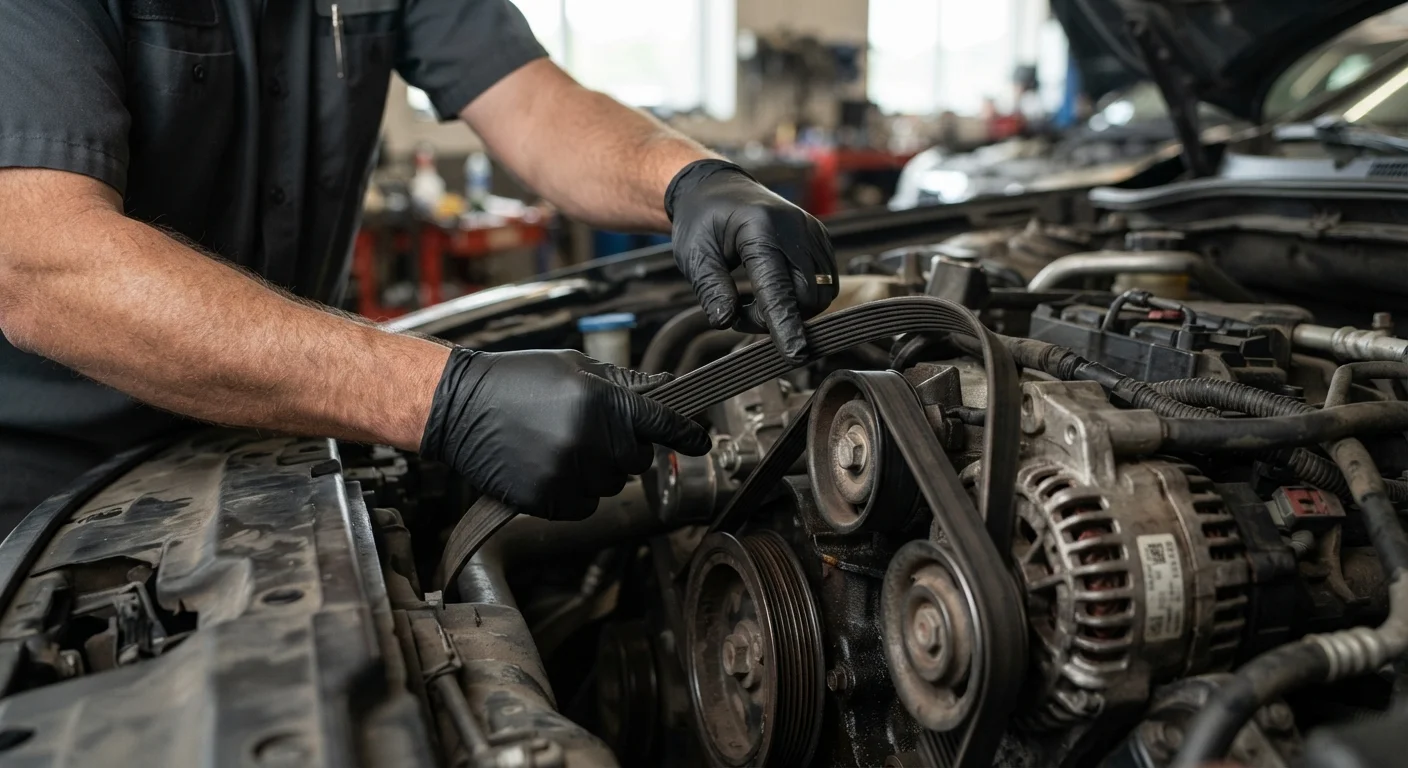
Photo credit: FindersGroove.com | Discover Important Information
Cabin air filters, transmission fluid, serpentine belts — these often-skipped tasks matter more than most drivers realise.
Key Takeaways
- Cabin air filters, transmission fluid, and serpentine belts are among the most commonly skipped maintenance items.
- Neglecting these tasks rarely causes immediate symptoms - damage accumulates silently over time.
- Most overlooked maintenance items can be checked or replaced without specialist tools.
- Your owner's manual is the most reliable source for service intervals specific to your vehicle.
- Staying ahead of deferred maintenance nearly always costs less than repairing the damage it causes.
The Maintenance Gaps Most Drivers Miss
Oil changes get all the attention. They're advertised on highway billboards, included in every service reminder sticker, and discussed in virtually every car-ownership conversation. But a car is a system of dozens of interdependent components, and most of them operate on their own schedules - schedules that are easy to overlook when you're only thinking about the engine.
The tasks listed below aren't obscure. They're in your owner's manual. What makes them easy to miss is that skipping them rarely causes an immediate, obvious problem. Instead, wear accumulates quietly until something expensive gives out. Understanding why each task matters is the first step to not forgetting it. For a broader picture of what scheduled servicing actually covers, see what the service interval in your owner's manual actually means.
Cabin Air Filter Replacement
The cabin air filter cleans the air flowing through your heating and air conditioning system before it reaches the passenger compartment. Over time it accumulates dust, pollen, and debris, reducing airflow and making the HVAC system work harder. A severely clogged filter can strain the blower motor - a repair far more costly than a filter swap.
Most manufacturers recommend replacing this filter every 15,000 to 25,000 miles, though driving in dusty or high-pollution environments may warrant more frequent changes. The filter is typically located behind the glove box or under the dashboard and can usually be replaced without tools in under 15 minutes. Check your owner's manual for the exact location and interval.
A clogged cabin filter strains the blower motor - a far costlier fix than a simple swap.
Transmission Fluid Check and Change
Transmission fluid lubricates the complex moving parts inside your gearbox and, in automatic transmissions, also serves as a hydraulic fluid. As it ages, it breaks down and accumulates metal particles and debris, increasing friction and heat. The result is accelerated wear on components that are extremely expensive to rebuild or replace.
Unlike engine oil, transmission fluid doesn't have a universally recognized change interval. Manufacturer recommendations vary widely - some specify 30,000 miles, others 60,000 or more, and some label their fluid as a "lifetime fill" (a claim that warrants scrutiny in high-mileage situations). Pull the dipstick if your vehicle has one: healthy fluid is typically translucent red or pink; dark brown or burnt-smelling fluid signals it's overdue.
Dark or burnt-smelling transmission fluid is a clear sign you're already overdue for a change.
Serpentine Belt Inspection
The serpentine belt is a single continuous loop that drives multiple engine accessories simultaneously - the alternator, power steering pump, air conditioning compressor, and water pump in many vehicles. If it fails while you're driving, you can lose power steering, battery charging, and engine cooling in quick succession.
Belts don't usually give a dramatic warning. Look for cracking, fraying, glazing (a shiny surface), or missing chunks along the belt's edges and inner ribbing. Most manufacturers recommend inspection every 60,000 miles, with replacement typically needed between 60,000 and 100,000 miles depending on the material and conditions. This is one task where the cost of proactive replacement is a fraction of the cost of a roadside failure.
A serpentine belt failure can kill power steering, charging, and cooling almost simultaneously.
Brake Fluid Replacement
Brake fluid is hygroscopic - it absorbs moisture from the air over time. As water content rises, the fluid's boiling point drops, which can lead to brake fade under heavy use (the fluid vaporizes and braking becomes spongy or ineffective). Moisture also accelerates corrosion inside brake lines, calipers, and the master cylinder.
Many drivers never change their brake fluid unless a mechanic flags it, yet most manufacturers recommend a change every two years or per a mileage interval, whichever comes first. Inexpensive test strips are available to measure moisture content in the fluid, giving you an objective read on whether a change is warranted. This is general educational information - always have brake system work verified by a qualified mechanic.
Rising moisture in brake fluid lowers its boiling point, raising the risk of brake fade under stress.
Battery Terminal Cleaning
Corrosion - typically the white or blue-green powdery buildup you see on battery terminals - increases electrical resistance in the connection. This can cause starting problems, erratic sensor readings, and premature battery drain even when the battery itself is healthy. It's one of the cheapest and most accessible maintenance tasks available.
Cleaning terminals requires disconnecting the battery (negative cable first, for safety), removing the clamps, and scrubbing the terminals with a wire brush and an appropriate cleaning solution. Once reconnected, applying a thin layer of terminal protector grease slows future corrosion. Check terminals every six months or when the car is hesitating to start. For drivers who park their vehicles for extended periods, corrosion can build faster - see how to keep a car in good shape when you barely drive it for related guidance.
Corroded battery terminals can mimic a failing battery - cleaning them costs almost nothing.
Tire Pressure Monitoring (Manual Checks)
Modern vehicles include a Tire Pressure Monitoring System (TPMS) that alerts you when a tire drops significantly below recommended pressure - typically 25% below the placard value. The problem is that tires can lose enough pressure to affect fuel efficiency, handling, and wear patterns well before the TPMS light illuminates.
Checking pressure manually with a gauge once a month takes less than five minutes. Temperature swings affect pressure meaningfully: tire pressure drops roughly 1 PSI for every 10°F drop in ambient temperature. The correct pressure for your vehicle is on the door jamb sticker, not the tire sidewall (the sidewall figure is the tire's maximum, not the vehicle's recommended pressure). Consistent underinflation causes uneven shoulder wear and shortens tire life. For a full breakdown of tire services, tire rotation, balancing, and alignment explained is a useful companion read.
The TPMS light triggers too late - manual pressure checks catch the slow leaks that quietly cost you.
Building a Maintenance Routine That Sticks
Awareness alone doesn't prevent deferred maintenance - structure does. A simple practice is to check the items below every time you rotate your tires, using that appointment as a natural audit point. Keep a small notebook or phone note tracking the date and mileage of each service. If you're unsure whether a task is within your skill level, our guide on DIY car maintenance vs. taking it to a mechanic lays out a clear framework for making that call.
Use a Maintenance Log, Not Just Memory
Tracking service dates and mileage in a simple log - even a notes app - removes the guesswork entirely. When you sell the vehicle, a documented history is also a genuine asset. Cross-reference your log with the intervals in your owner's manual at least once a year to spot anything that's fallen behind.
Drivers who rarely use their vehicle face a different version of the same problem - time-based degradation rather than mileage-based wear. Keeping a car in good shape when you barely drive it covers those specific challenges. And if you've already got miles on the clock, the long-term habits that keep a high-mileage car reliable shows how consistent attention compounds over time.
This article provides general vehicle maintenance information for educational purposes. Always consult a qualified mechanic for diagnosis, repairs, or guidance specific to your vehicle.

Author
Autos & Driving Editorial Team
Autos & Driving Editorial Team is the collective byline for our editorial team and contributor network. Articles published under this byline or an editorial pen name are researched, written, and reviewed according to our editorial standards for clarity, consistency, and independence before publication.
View all articles →