
What Actually Happens During a Routine Car Service
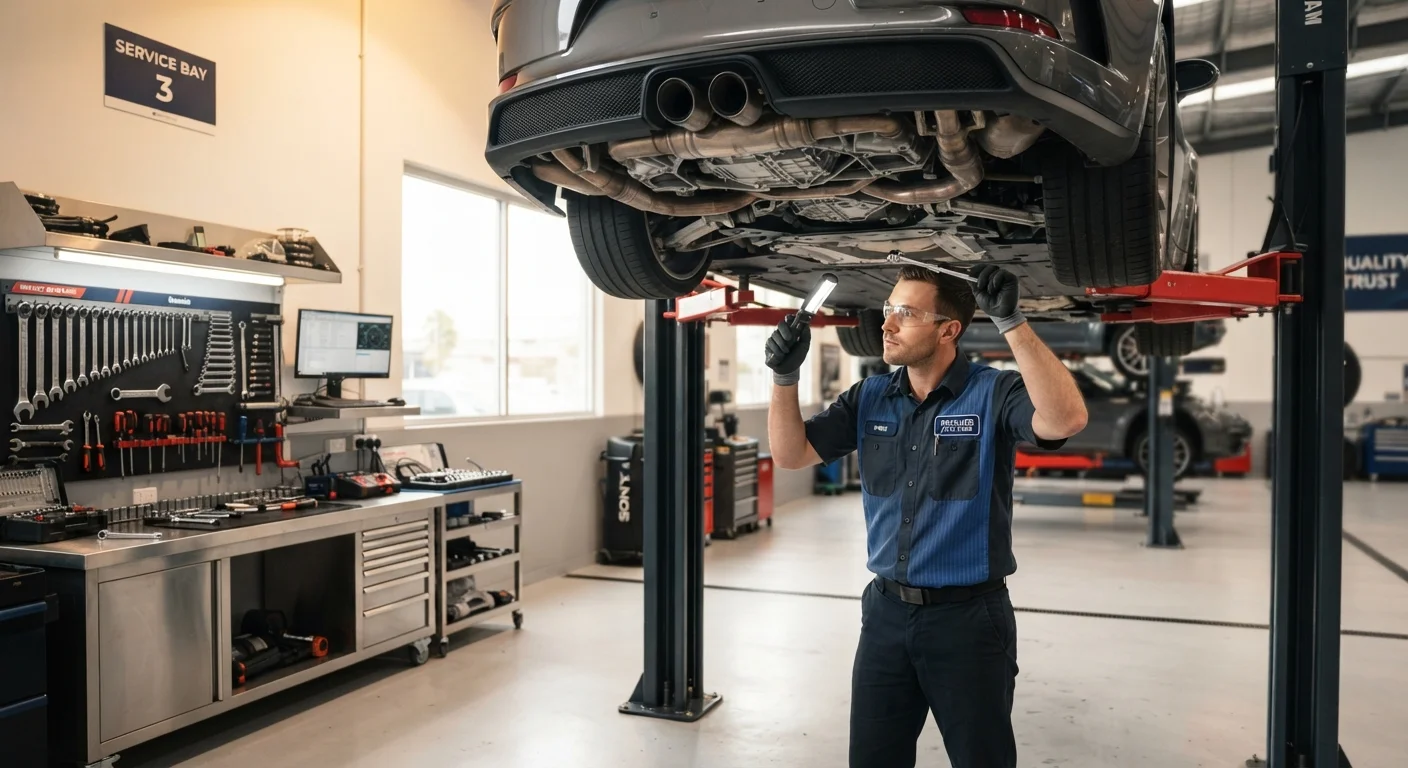
Photo credit: FindersGroove.com | Discover Important Information
In this article
Mechanics check far more than your oil. A walkthrough of what a standard log-book service covers and why each item matters.
Key Takeaways
- A routine service covers far more than an oil change - it's a head-to-toe vehicle inspection.
- Mechanics follow your car's manufacturer-specified checklist, not a one-size-fits-all list.
- Catching small problems early during a service almost always costs less than fixing failures later.
- Keeping a full service history protects resale value and supports warranty claims.
- You can prepare smarter questions for your mechanic by knowing what's on the checklist.
The Oil and Filter Change: The Starting Point
The engine oil change is the most recognized part of any service - and with good reason. Engine oil lubricates hundreds of moving metal parts, absorbs heat, and carries contaminants away from critical components. Over time it degrades, losing its viscosity and protective properties. A mechanic drains the old oil, replaces the oil filter (which traps metallic particles and debris), and refills with fresh oil to the manufacturer-specified grade.
The used oil itself tells a story. A technician may note whether it looks unusually black or milky - the latter can indicate coolant mixing with oil, a sign of a more serious issue. This is why even the most basic part of a service doubles as a diagnostic moment.
For a deeper look at managing your car's fluids between services, see our practical fluid-checking walkthrough.
Filters, Fluids, and the Systems They Protect
Beyond engine oil, a thorough service addresses several other fluids and filtration systems:
- Air filter: Keeps dust and debris out of the engine's intake. A clogged filter reduces fuel efficiency and performance.
- Cabin air filter: Filters air entering the passenger compartment through the HVAC system - important for both air quality and defogger effectiveness.
- Brake fluid: A hygroscopic fluid (meaning it absorbs moisture from the air) that degrades over time, lowering its boiling point and compromising braking performance. Most manufacturers recommend replacement every two years.
- Coolant: Prevents the engine from overheating and protects against corrosion inside the cooling system. Flushed and replaced at longer intervals.
- Transmission fluid and power steering fluid: Checked for level and condition; replaced on schedules specific to your vehicle.
Match Service Items to Your Manual
Not every car needs every fluid or filter replaced at the same interval. Your owner's manual lists a maintenance schedule specific to your vehicle's engine, drivetrain, and operating conditions. Using it as a reference before your appointment lets you ask informed questions and verify that nothing due has been skipped.
Your owner's manual is the definitive source for which fluids are due at each interval - manufacturer specs vary significantly between vehicles.
Safety Systems: Brakes, Tires, and Lights
A significant portion of the service checklist is dedicated to the systems that directly affect your safety on the road.
Brakes
The mechanic measures the remaining thickness of your brake pads and inspects the rotors (the discs the pads clamp against) for scoring or warping. Brake lines are checked for leaks or corrosion. Worn pads left unchecked can damage rotors - turning a relatively inexpensive pad replacement into a costlier rotor replacement as well.
Tires
Tread depth is measured at multiple points across each tire. Tires are also inspected for uneven wear patterns, which can indicate wheel alignment or suspension issues. Tire pressure is adjusted to the manufacturer's recommended specification.
Lights and Electrical
All exterior lights - headlights, brake lights, turn signals, reverse lights - are tested. Battery terminals are inspected for corrosion, and the battery's charge and cold-cranking amps may be tested, especially in older vehicles.
~30%
Cars on the road with under-inflated tires
The U.S. Department of Transportation has estimated that roughly one in three vehicles on American roads has at least one significantly under-inflated tire, reducing fuel economy and increasing blowout risk.
2 years
Typical brake fluid replacement interval
Most vehicle manufacturers and safety organizations recommend replacing brake fluid every two years regardless of mileage, as moisture absorption degrades performance over time.
Under the Hood and Underneath the Car
With the car raised on a lift, the mechanic gets a view of the vehicle that drivers rarely see. This includes:
- Suspension and steering components: Checked for play, wear, or damaged rubber bushings and CV boots (the protective coverings around driveshaft joints).
- Exhaust system: Inspected for rust, leaks, or loose hangers. An exhaust leak can allow carbon monoxide to enter the cabin.
- Underbody condition: Signs of significant rust, oil leaks at the engine or gearbox, and any damage from road impacts are noted.
Back under the hood, the serpentine belt - which drives the alternator, power steering pump, and other accessories - is inspected for cracking or fraying. A broken belt can leave you stranded instantly.
Understanding which of these tasks a confident DIYer might handle is worth thinking through. Our article on DIY vs. professional car maintenance breaks down where the line sits safely.
The Service Record: Why the Paper Trail Matters
Every completed service should be stamped and signed in your vehicle's logbook or recorded in a digital service history. This documentation matters for three reasons:
- Warranty protection: Manufacturers typically require services to be performed at specified intervals to keep warranty claims valid.
- Resale value: A full, verifiable service history is one of the most persuasive factors when selling a used car - it demonstrates the vehicle has been cared for and gives the buyer confidence.
- Continuity of care: Future mechanics can see exactly what's been done, avoiding duplicate work and quickly identifying what's overdue.
If you're unclear about your car's legal obligations alongside its maintenance requirements, our overview of registration and roadworthiness requirements covers the regulatory side in plain terms.
A routine service isn't just a box to check - it's the most cost-effective way to stay ahead of problems before they strand you or create a repair bill many times the cost of the service itself. For everything maintenance and upkeep related, build the habit early and your car will reward you for it.
Frequently Asked Questions

Author
Autos & Driving Editorial Team
Autos & Driving Editorial Team is the collective byline for our editorial team and contributor network. Articles published under this byline or an editorial pen name are researched, written, and reviewed according to our editorial standards for clarity, consistency, and independence before publication.
View all articles →