
Reading Your Car's Service Manual Without Glazing Over
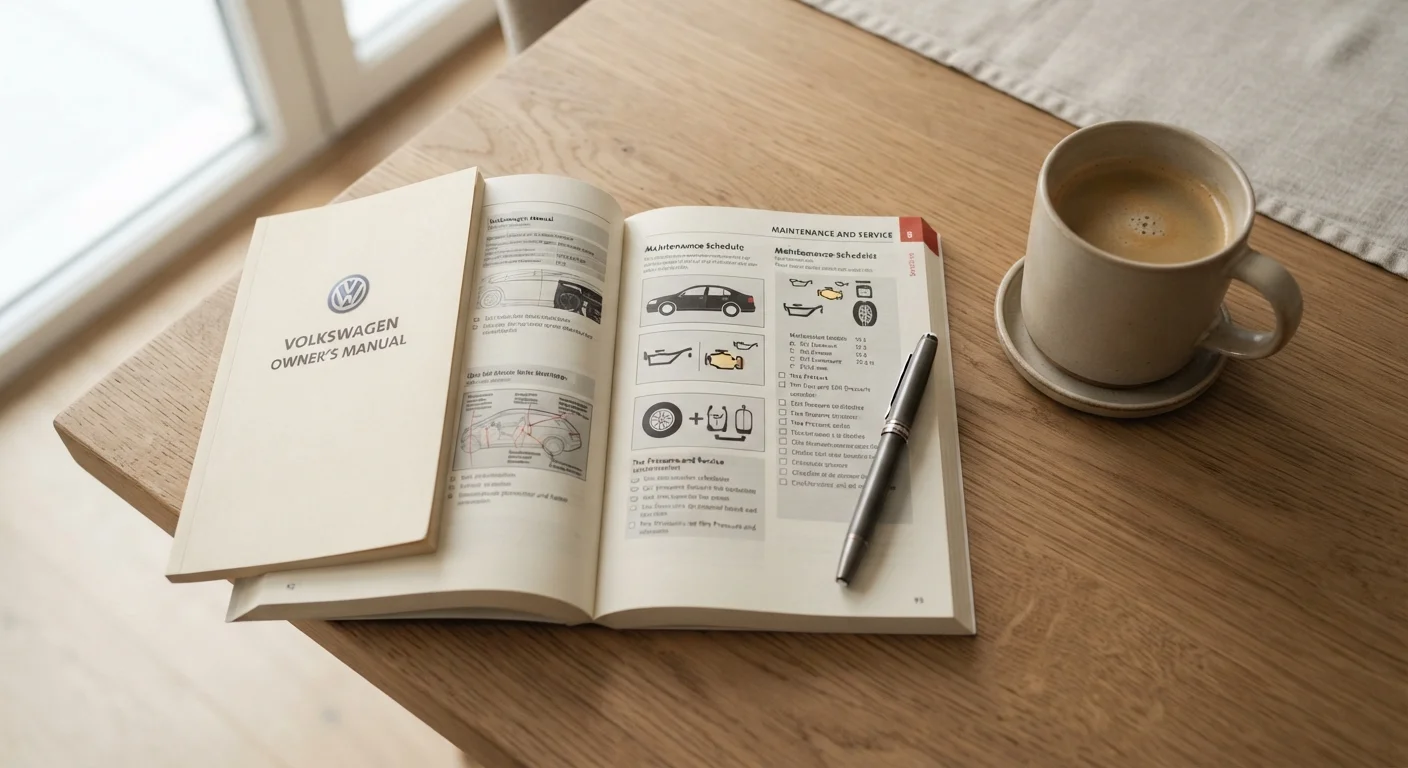
Photo credit: FindersGroove.com | Discover Important Information
In this article
Your owner's manual holds answers to most car questions — but it's dense. Here's how to navigate it efficiently and actually use it.
Key Takeaways
- Your owner's manual is organized into predictable sections - knowing the structure saves significant time.
- The index and table of contents are your fastest entry points for any specific question.
- Service interval tables tell you exactly what maintenance is due and when.
- Warning light descriptions in the manual are more accurate than generic internet searches.
- Most manuals include a specifications section with fluid types, tire pressures, and capacities.
Why Most People Never Actually Use Their Manual
The owner's manual sits in most gloveboxes, untouched, until something goes wrong. At that point, flipping through hundreds of dense pages under stress is exactly as unpleasant as it sounds. The problem isn't the manual - it's that nobody explains how to use it before you need it.
A service manual is essentially a reference book, not a novel. It's designed to be dipped into, not read cover to cover. Once you understand its internal logic - how sections are organized, where specifications live, how the index works - it becomes a genuinely useful tool rather than an intimidating wall of text. This is especially relevant when tackling often-skipped maintenance tasks that your manual explicitly covers.
What you will need
What You'll Need
Owner's Manual (print or PDF)
The primary document - physical copy in your glovebox or a PDF downloaded from the manufacturer's website.
Sticky tabs or page flags
Mark the most-used sections so you can find them instantly without re-reading the table of contents.
Notepad or notes app
Record key specs - oil grade, tire pressure, service intervals - for quick reference without reopening the manual.
Make a Physical or Digital Bookmark System
Use sticky tabs or bookmark the PDF version to mark the sections you'll return to most: maintenance schedule, fluid specifications, and warning lights. This turns a 300-page document into something you can navigate in under a minute.
How to Read Your Manual Efficiently
Locate and Verify Your Manual
Most manuals live in the glovebox. If yours is missing, search the manufacturer's website for a downloadable PDF - nearly all provide one free of charge using your vehicle's make, model year, and trim level. Verify it's the correct edition: the cover or title page will list the model year range it covers.
Understand the Layout Before You Search
Most owner's manuals follow a consistent structure: safety information, instruments and controls, driving and operation, maintenance and care, and technical specifications. Flip through the table of contents first - spend two minutes mapping the sections. This single step prevents the aimless page-flipping that makes manuals feel impenetrable.
Use the Index for Specific Questions
When you have a targeted question - what type of oil does this engine take? what does this warning light mean? - go straight to the back-of-book index rather than skimming chapters. Look under the noun: oil, not changing; tire, not inflation. The index lists page numbers for every relevant entry.
Find the Maintenance Schedule Table
This is the most practically valuable section. It lists every service task - oil changes, filter replacements, brake inspections, fluid checks - alongside the mileage or time interval for each. It's usually presented as a grid, with tasks in rows and mileage milestones across the columns. Cross-reference this table when planning service visits. For a deeper look at what these intervals mean, see what your service interval actually means.
Locate the Specifications Section
Usually near the end, this section consolidates the numbers you'll need most: engine oil type and capacity, coolant type, brake fluid specification, tire size and recommended pressure, and fuel type (regular vs. premium). Write these down or photograph them. For a practical walkthrough of using these specs, see how to check your own fluid levels.
Look Up Warning Lights as They Appear
Don't rely on a general internet search when a dashboard light activates. Your manual's warning light section will show your car's exact icons - which can differ between manufacturers - and specify whether the light requires immediate action or simply monitoring. Pair this habit with a broader guide to warning lights for context on severity levels.
Always Use Your Specific Manual
Generic advice online may not match your vehicle's actual specifications. Fluid capacities, tire pressures, and service intervals vary significantly between makes, model years, and trim levels. When in doubt, your manual's specifications override anything you read elsewhere - including this article.
Putting It Into Regular Practice
The goal isn't to memorize your manual - it's to build a reflex: when a car question comes up, check the manual first. This habit takes about three uses to form. After that, you'll find it faster and more reliable than searching online, where results often apply to different trim levels, model years, or regions.
Keep a short cheat sheet - either written or in your phone's notes app - of the specs you reference most often: oil type, tire pressure, and your next service milestone. This covers the majority of day-to-day questions without requiring you to open the book at all.
For a broader foundation in car ownership basics, car maintenance for complete beginners walks through the fundamentals alongside your manual. And when you're preparing for a shop visit, understanding what actually happens during a routine service helps you cross-reference your manual's schedule against what the mechanic is doing.
Don't Rely Solely on Memory
It's easy to misremember a specification you glanced at once. Before acting on a number from your manual - such as a tire pressure rating or fluid type - double-check it in the book each time. A small error with fluids or pressures can cause real mechanical damage.

Author
Autos & Driving Editorial Team
Autos & Driving Editorial Team is the collective byline for our editorial team and contributor network. Articles published under this byline or an editorial pen name are researched, written, and reviewed according to our editorial standards for clarity, consistency, and independence before publication.
View all articles →