
The Unwritten Rules of Motorway Etiquette
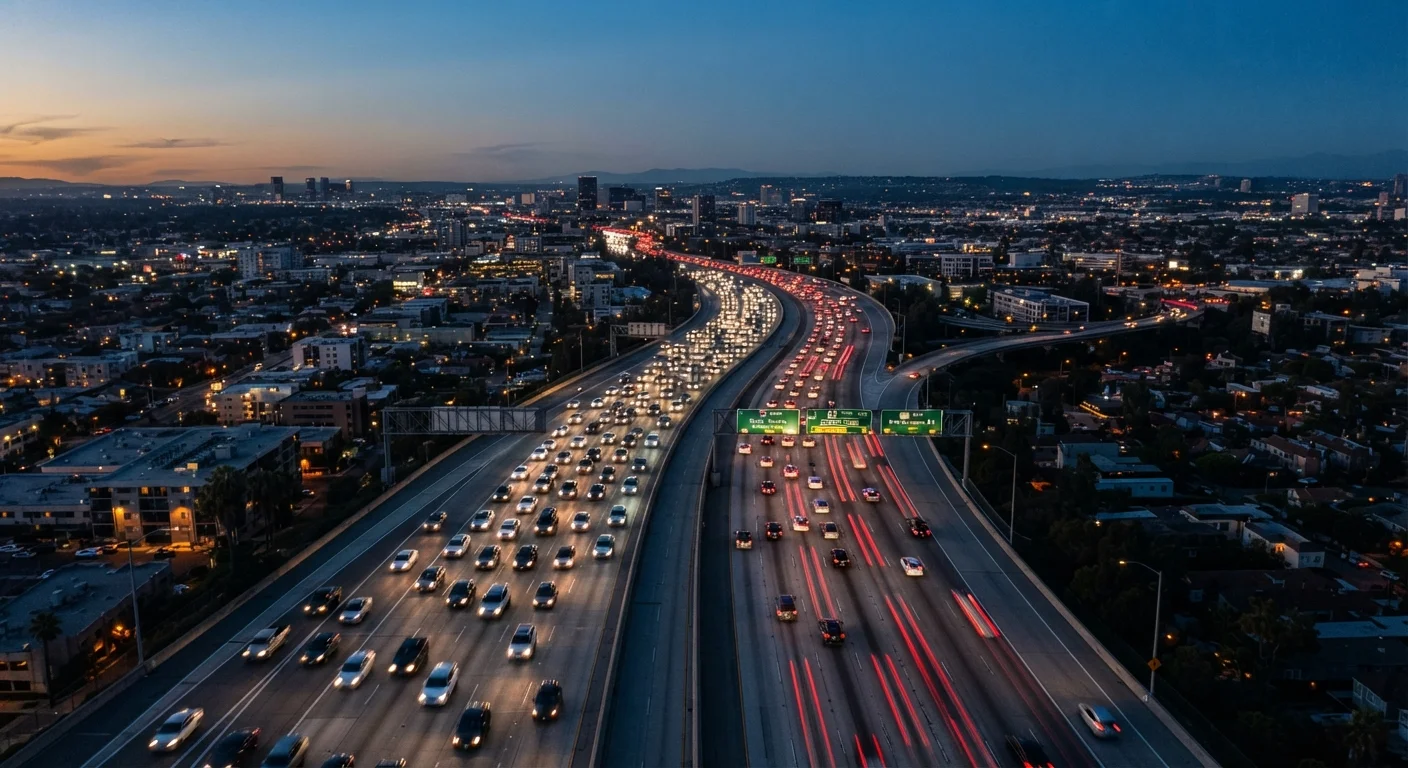
Photo credit: FindersGroove.com | Discover Important Information
In this article
Lane discipline, merging, and signalling aren't just courtesy—they affect safety for everyone. Here's what experienced drivers understand.
Why Motorway Etiquette Is a Safety Issue, Not Just a Courtesy
Most drivers know the written rules - speed limits, signal requirements, right-of-way laws. But motorway driving runs on an additional layer of unwritten conventions that experienced drivers follow instinctively. These habits aren't just polite; they're the difference between predictable traffic flow and the kind of erratic behavior that causes near-misses and collisions.
High-speed environments shrink reaction time dramatically. At 70 mph, a vehicle covers roughly 100 feet per second. That's why consistency and predictability matter more on a motorway than anywhere else. When drivers signal early, hold their lane, and merge cooperatively, everyone around them can anticipate what's coming. When they don't, the ripple effect - sudden braking, swerving, lane confusion - spreads far behind them.
Understanding these norms makes you a safer driver and a less stressful presence for everyone sharing the road. It also makes motorway driving feel less reactive and more in control - a genuine lifestyle upgrade for anyone who spends real time behind the wheel.
| Minimum following distance | 3 seconds (dry conditions) (NHTSA driver safety guidance) |
| Speed covered per second at 70 mph | ~100 feet (Basic physics calculation) |
| Lane-camping legality | Illegal in many US states (Varies by state traffic code) |
| Recommended signal lead time | 3-5 seconds before lane change (General driver education standard) |
| Most efficient merge method | Zipper merge (alternating vehicles) (Traffic engineering consensus) |
The Core Rules Experienced Drivers Actually Follow
Keep Right (or Left), Pass Left (or Right)
In the US, slower traffic stays right and passing happens on the left. Camping in the center or left lane when not actively overtaking disrupts traffic flow and, in many states, is technically illegal. After passing, return to the right lane promptly. This single habit reduces lane-change conflicts significantly.
Signal Early - Then Move
Signalling as you're already changing lanes gives no one time to react. The sequence is: check mirrors, signal, check blind spot, then move. Signalling 3-5 seconds before a lane change gives surrounding drivers enough lead time to adjust speed or position. Think of your turn signal as a request, not an announcement.
Merge Like a Zipper
When a lane ends, the zipper merge - alternating one vehicle at a time from each lane - is both the most efficient and safest method. Blocking drivers from merging doesn't speed things up; it causes bottlenecks. See our guide to merge lanes and multi-lane roads for a deeper breakdown of how to navigate these situations confidently.
Match Speed When Entering
On-ramps exist so you can reach motorway speed before joining traffic. Merging slowly forces highway drivers to brake hard or swerve - both dangerous at speed. Use the full length of the on-ramp to accelerate and match the flow before you enter.
Maintain a Safe Following Distance
The standard guidance is a minimum 3-second gap between you and the vehicle ahead under dry conditions - more in rain or reduced visibility. Tailgating at motorway speeds leaves essentially no margin for error. If someone tailgates you, resist the urge to brake-check; instead, move over safely when possible and let them pass.
Lane discipline
The practice of staying in the appropriate lane for your speed and only using left lanes for passing. Poor lane discipline is a leading cause of unnecessary braking and traffic congestion.
Zipper merge
A cooperative merge technique where drivers in two narrowing lanes alternate one-by-one to use the full length of a closing lane before joining a single lane. It reduces backup length and collision risk.
Following distance
The space maintained between your vehicle and the one ahead, typically measured in seconds of travel time. A 3-second minimum is standard under normal conditions, with more required in bad weather.
Blind spot
The area around a vehicle not visible in the rearview or side mirrors. Drivers should physically check over their shoulder before lane changes to account for vehicles in this zone.
Adapting your habits depending on road type is explored further in our piece on city streets vs. highway driving. And if conditions deteriorate, be aware that rain, fog, and snow change these rules considerably.
Common Mistakes That Experienced Drivers Have Already Fixed
Even drivers with years of experience carry habits that quietly create risk. Lane-drifting without signalling, hovering in a truck's blind spot, or braking unnecessarily on a clear stretch all make traffic less predictable. Similarly, long motorway drives can mask the onset of fatigue - which degrades judgment and reaction time in ways drivers often don't notice until too late. Our article on recognising driver fatigue covers the warning signs worth knowing before your next long drive.
It's also worth noting that aggressive driving behaviors - hard acceleration, abrupt lane changes - don't just affect safety. As covered in habits that quietly wear down your vehicle, they accelerate mechanical wear too.
Motorway etiquette isn't a rigid rulebook - it's a shared framework that works when most drivers follow it most of the time. The more consistently you apply these principles, the more second-nature they become, and the more confidently you'll handle whatever the road puts in front of you.
State Laws Vary on Lane Use
While the 'keep right except to pass' principle is widely accepted, specific laws differ by state. Some states actively ticket for left-lane camping; others have no explicit statute. Check your state's vehicle code or DMV resources if you want the exact rule for where you drive most. This article provides general guidance, not legal advice.

Author
Autos & Driving Editorial Team
Autos & Driving Editorial Team is the collective byline for our editorial team and contributor network. Articles published under this byline or an editorial pen name are researched, written, and reviewed according to our editorial standards for clarity, consistency, and independence before publication.
View all articles →