
Tyre Pressure, Tread Depth, and When to Replace: A Practical Guide
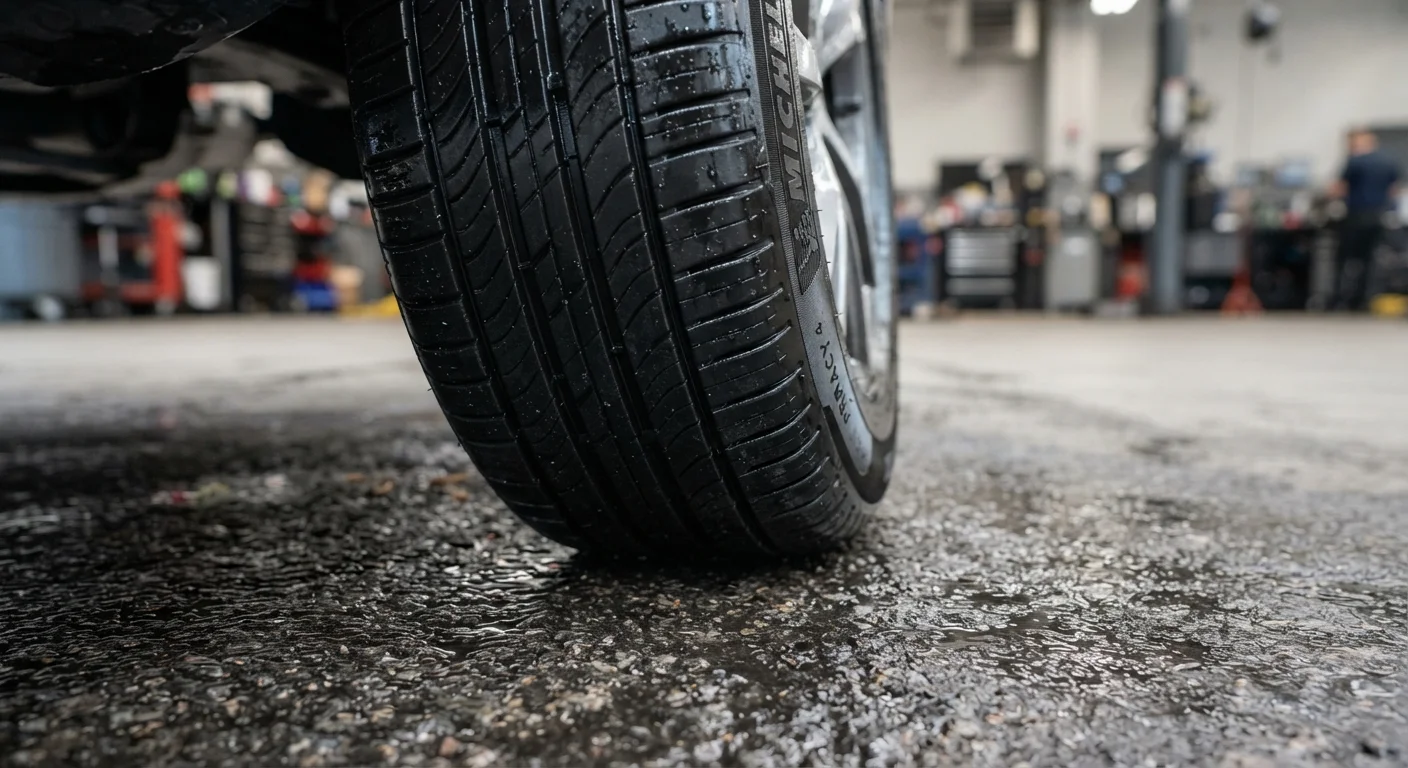
Photo credit: FindersGroove.com | Discover Important Information
In this article
Tyres are your car's only contact with the road. Learn how to check, maintain, and know when they've reached the end of their safe life.
Key Takeaways
- Correct tyre pressure improves safety, fuel economy, and tyre lifespan - check monthly.
- The legal minimum tread depth in the US is 2/32 inch, but safety experts recommend replacing at 4/32 inch.
- A penny or quarter coin can give you a reliable tread depth reading in under 30 seconds.
- Underinflation is the leading cause of premature tyre wear and blowouts.
- Even tyres with acceptable tread should be replaced if they are older than six years.
Why Tyres Deserve More Attention Than They Get
Tyres are the only components on your car that actually touch the road - four contact patches roughly the size of a hand each are responsible for steering, braking, and carrying the vehicle's entire weight. Yet they're among the most overlooked items in routine car care. Most drivers notice a problem only when a warning light appears or a tyre goes noticeably flat.
The good news: tyre checks require no mechanical skill, cost nothing beyond a basic gauge, and take under 20 minutes. Making them a monthly habit - or doing them every time you fill up with fuel - puts you ahead of the vast majority of drivers. As a starting point for broader vehicle upkeep, also see our walkthrough on checking your own fluid levels.
What you will need
What to Check and the Tools You'll Need
Tyre maintenance breaks down into three checks: pressure, tread depth, and physical condition. Each takes only minutes and tells you something different about the tyre's remaining safe life.
Tyre pressure gauge (digital or dial)
Measures the air pressure inside each tyre against the manufacturer's recommended PSI.
Penny or quarter coin
Used as a quick visual tool to estimate tread depth without special equipment.
Tread depth gauge
Provides a precise millimetre or 32nd-of-an-inch measurement of remaining tread depth.
Vehicle owner's manual
Lists the manufacturer's recommended tyre pressure and tyre size specifications for your specific car.
Keep a Gauge in Your Glove Box
Digital tyre pressure gauges are inexpensive and far more accurate than the built-in gauges on most petrol station air pumps. Storing one in your glove box means you can check pressure anytime - not just when you happen to be near a pump. This simple habit takes under five minutes and can meaningfully extend tyre life.
For pressure, you need a gauge and the correct target PSI for your car. For tread depth, a coin does the job - though a proper tread depth gauge gives a more precise reading. For physical condition, your eyes are the primary tool.
Step-by-Step: How to Check Your Tyres
Find Your Recommended Tyre Pressure
Do not use the maximum pressure number printed on the tyre sidewall - that is the tyre's physical limit, not the safe operating pressure. Instead, look at the tyre placard mounted inside the driver's door jamb, or check your owner's manual. This sticker lists the correct front and rear PSI (pounds per square inch) for your specific vehicle. Front and rear recommendations often differ.
Check Tyre Pressure on All Four Tyres
Remove the valve cap from the tyre's valve stem - a small rubber or metal nub near the wheel rim. Press your pressure gauge firmly and squarely onto the valve stem. The gauge will display the current pressure. Compare it to the recommended PSI. Add air if the reading is too low; press the small pin inside the valve stem briefly to release air if it's too high. Repeat on all four tyres, and check the spare if your vehicle has one.
Perform the Coin Tread Depth Test
Insert a penny into the tread groove with Lincoln's head pointing down into the tyre. If you can see the top of Lincoln's head, tread depth is below 2/32 inch - the legal minimum in most US states. For a more conservative safety check, use a quarter: if the top of Washington's head is visible, you're at or below 4/32 inch, and replacement should be scheduled soon. Test in multiple grooves across the tyre, including the center and both shoulders, since wear is often uneven.
Inspect for Visible Damage
Walk around each tyre and look closely at both the tread surface and the sidewall. Watch for: cracks or dry rot in the sidewall rubber, bulges or blisters (which indicate internal damage), embedded nails or screws, and any areas where the tread appears to be separating. A slow puncture from an embedded object may not flatten the tyre immediately but will cause gradual pressure loss over days.
Check Tyre Age if Wear Looks Acceptable
Rubber degrades with age even if a tyre still has tread. Most tyre manufacturers and safety organisations recommend replacing tyres after six years, regardless of appearance, and treating any tyre over ten years old as end-of-life. Find the manufacture date on the tyre sidewall: look for a four-digit code inside an oval (e.g. 2319 = 23rd week of 2019). If you can't locate or read this code, a tyre professional can help.
Cold vs. Warm Tyre Pressure Readings
Tyre pressure increases as the tyre heats up during driving - by as much as 4-6 PSI. Always check pressure when tyres are cold (the car has been parked for at least three hours or driven fewer than one mile). Releasing air from a warm tyre to hit the recommended number will leave it underinflated once it cools.
When to Replace - and What Accelerates Wear
Replace tyres when tread reaches 4/32 inch (for wet-weather safety) or 2/32 inch at the absolute legal minimum. Replace sooner if you find cracks, bulges, or sidewall damage. Replace based on age - six years is the general guidance - even if the tread looks fine.
Never Drive on a Visibly Damaged Tyre
Cracks, bulges, or exposed cords on a tyre sidewall are signs of structural failure - not cosmetic issues. A tyre in this condition can fail suddenly at highway speed with little warning. Pull over safely, install your spare, and have the tyre professionally inspected before continuing. Do not attempt to drive on a compromised tyre to 'make it to the shop.'
Certain driving habits quietly shorten tyre life long before the mileage would suggest. Hard acceleration, late heavy braking, and consistently driving on under- or over-inflated tyres all create uneven stress. Our article on everyday driving habits that wear down your vehicle covers these patterns in depth. Similarly, habits that quietly shorten your car's lifespan connects tyre wear to other overlooked maintenance factors.
When you do replace tyres, a professional fitting includes balancing - which is equally important. If you've noticed vibration through the steering wheel or uneven wear, you may also be due for alignment. See our explanation of how tyre rotation, balancing, and alignment each work for context on what those services actually address.

Author
Autos & Driving Editorial Team
Autos & Driving Editorial Team is the collective byline for our editorial team and contributor network. Articles published under this byline or an editorial pen name are researched, written, and reviewed according to our editorial standards for clarity, consistency, and independence before publication.
View all articles →