
Style Archetypes Explained: From Classic to Eclectic
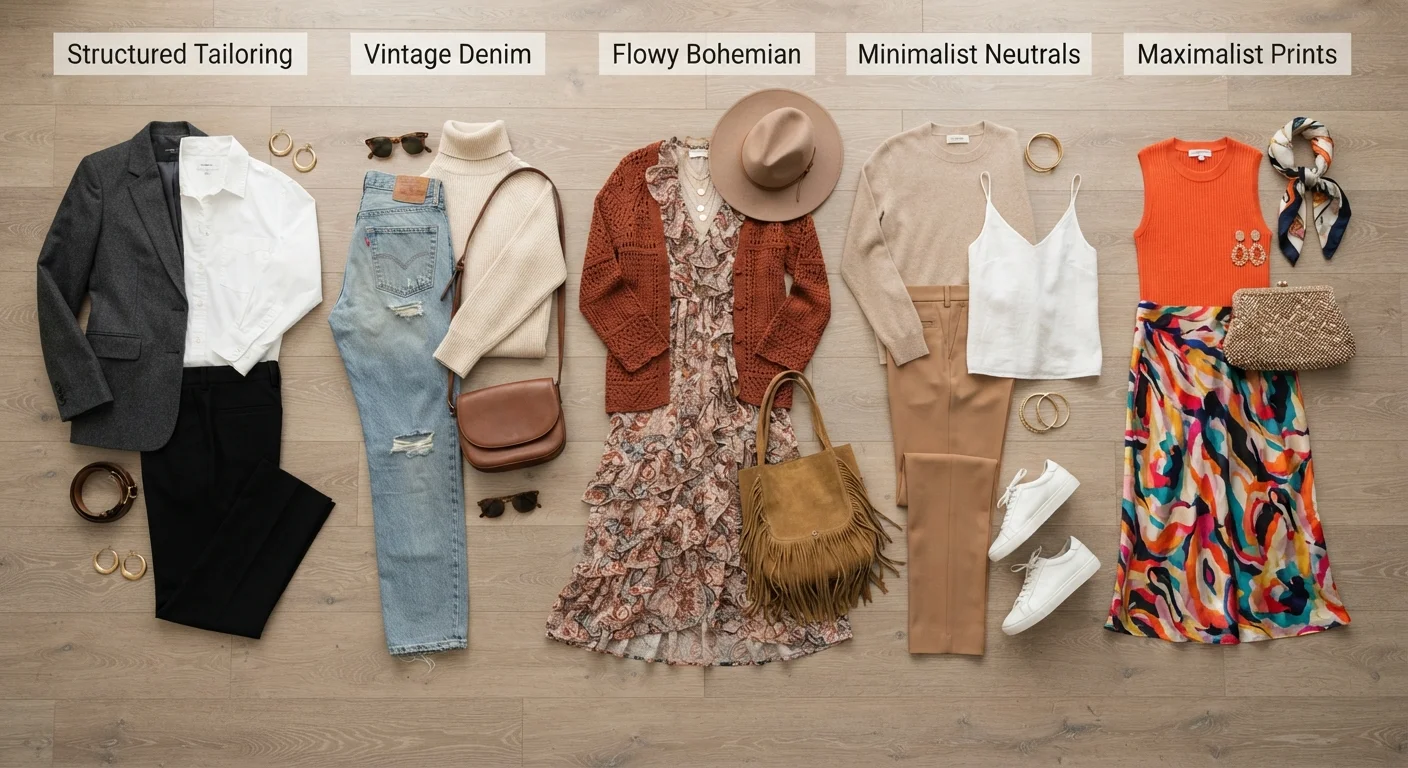
Photo credit: FindersGroove.com | Discover Important Information
In this article
Style archetypes are frameworks for understanding your aesthetic instincts. Explore the major categories and what they reveal about how you dress.
What Is a Style Archetype?
A style archetype is a recognizable framework for how someone instinctively approaches getting dressed. Think of it less like a costume and more like a default language - the aesthetic vocabulary your closet keeps returning to, even when you're not paying attention. Understanding your archetype isn't about locking yourself into a label; it's about gaining clarity so you can make intentional choices instead of reactive ones.
Style archetypes draw from art history, psychology, and fashion theory. They help you articulate preferences that often feel too vague to name. If you've ever stood in front of a full closet and felt like you had nothing to wear, identifying your archetype can be the starting point for solving that problem. See our guide to building a style identity from scratch for foundational steps.
| Number of common archetypes | 6-10, depending on the framework |
| Most versatile archetype | Eclectic - blends multiple aesthetics intentionally |
| Most timeless archetype | Classic - anchored in enduring silhouettes |
| Best first step | Audit your existing wardrobe for recurring patterns |
| Can archetypes overlap? | Yes - most people express a blend of two or more |
The Major Style Archetypes
Most personal style frameworks identify six to ten recurring archetypes. These are the most widely referenced categories - and where many people find their primary home.
Classic
Defined by timeless silhouettes, quality fabrics, and restrained color palettes. The Classic dresser invests in pieces that transcend seasons: a well-cut trench, tailored trousers, simple leather accessories. Stability and polish are the priorities.
Minimalist
A close cousin to Classic but with sharper intentionality around reduction. Minimalist style is about editing ruthlessly - fewer pieces, cleaner lines, near-monochromatic palettes. Every item earns its place.
Bohemian
Rooted in free-spirited, globally inspired aesthetics. Flowing silhouettes, natural textures, layered jewelry, and pattern mixing define this archetype. Bohemian style often feels organic rather than constructed.
Romantic
Soft, feminine, and detail-oriented. Lace, florals, draped fabrics, and delicate accessories signal this archetype. Romantics dress with warmth and intentional beauty.
Edgy / Avant-Garde
Characterized by unconventional cuts, unexpected material combinations, and a willingness to challenge norms. This archetype treats clothing as concept and provocation rather than convention.
Eclectic
Not a lack of style - rather, it's the deliberate combination of multiple aesthetics. Eclectic dressers pull references across eras, cultures, and categories in ways that feel cohesive through personality rather than rules.
Style Archetype
A recognizable aesthetic framework representing recurring instincts in how someone dresses. Archetypes provide a shared vocabulary for describing personal style preferences.
Silhouette
The overall shape or outline of an outfit or garment. Silhouette is a key factor distinguishing one style archetype from another - structured versus fluid, fitted versus oversized.
Capsule Wardrobe
A curated collection of versatile, intentionally selected garments that work well together. Closely associated with Minimalist and Classic archetypes.
Aesthetic Vocabulary
The set of visual elements - colors, textures, shapes, references - that define how someone expresses their personal style. Understanding yours is the foundation of intentional dressing.
Using Your Archetype as a Tool, Not a Trap
Most people don't land neatly inside one archetype - and that's entirely normal. You might be primarily Classic with strong Minimalist leanings, or deeply Bohemian but drawn to Romantic details. What matters is that knowing your dominant tendencies helps you shop, edit, and dress with more confidence.
A practical first step: audit your wardrobe before purchasing anything new. The patterns already living in your closet are among the most honest signals of your true aesthetic instincts. Once identified, your archetype can carry across different contexts - for strategies on doing that, explore creating a consistent aesthetic across casual, work, and social occasions.
Style archetypes are also living frameworks. As your life, values, and environment shift, your aesthetic vocabulary naturally evolves. The goal isn't permanence - it's self-awareness. For a deeper look at how all these elements fit together, the complete personal style reference covers every dimension of building a style that's durably yours.
Archetypes Are Descriptive, Not Prescriptive
Style archetypes are tools for self-understanding, not rules you must follow. There's no authority defining which archetype you belong to - only your own observations about what feels authentic and intentional. Use these categories to learn about yourself, not to limit yourself. If a label stops serving you, set it aside.

Author
Style & Beauty Editorial Team
Style & Beauty Editorial Team is the collective byline for our editorial team and contributor network. Articles published under this byline or an editorial pen name are researched, written, and reviewed according to our editorial standards for clarity, consistency, and independence before publication.
View all articles →